

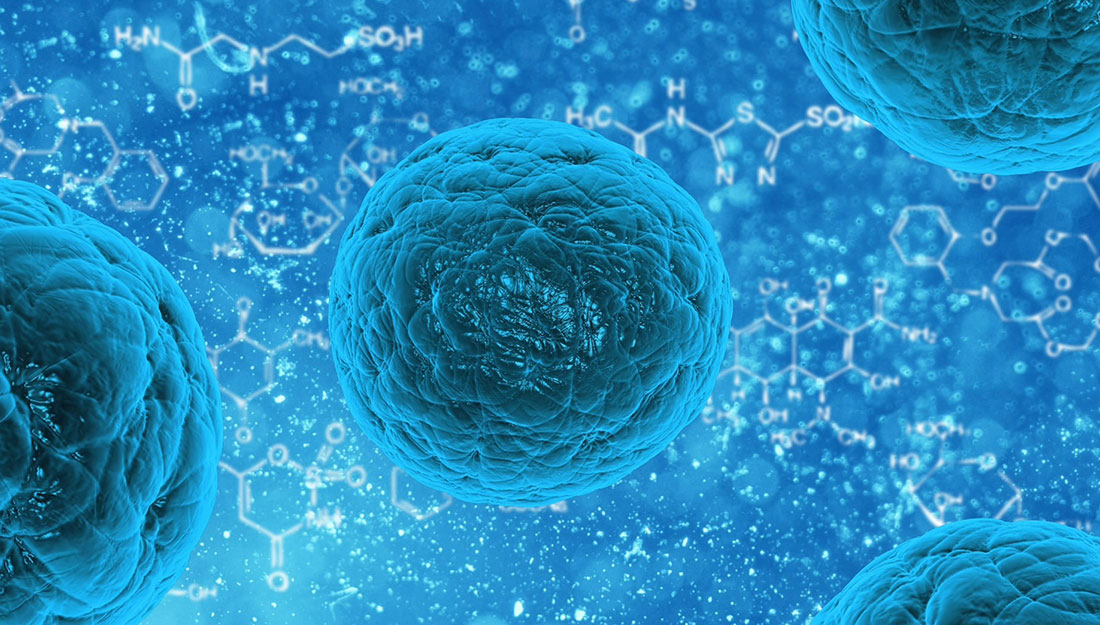
Stem cell; They are the “mother” cells in our body that do not yet have a specific specialized task, but have the ability to transform into different tissue and organ cells and renew themselves when needed.
These cells, which form the basis of modern medicine and regenerative applications, act as a “biological repair system” thanks to their ability to detect and repair damaged areas in the body.
What is Stem Cell?
Stem cells are the building blocks of the human body and are defined as source cells from which all other cells derive.
While an ordinary muscle or blood cell cannot divide and form a new organ, a stem cell can turn into a heart muscle, nerve cell, or cartilage cell when stimulated by the right signals.
This capacity for transformation (plasticity) is a revolutionary milestone in the medical world, especially in the treatment of chronic and degenerative diseases that are difficult to treat.
Key Features of Stem Cells
There are two critical characteristics that a cell must have in order to be classified as a “stem cell”:
Self-Renewal: Stem cells can divide over long periods of time and make copies of themselves. This ensures that the cell pool in the body remains constantly full.
Differentiation Ability: These cells can transform into more than 200 specialized cell types (neurons, osteocytes, myocytes, etc.) in the body under appropriate biochemical stimuli.
Homing: Stem cells given to the body externally or through the circulation have the ability to detect the damaged area with inflammation and migrate directly to that area.
According to Assoc. Prof. Dr. Erdinç Özek, the most vital feature of stem cells is their “homing” ability; Like a navigation device, cells trace damage in the body and initiate healing signals at the point where they are most needed.
Where Are Stem Cells Obtained?
Stem cells are found in various parts of the body at different stages of life. The main sources from which cells are obtained in current clinical applications are as follows:
Bone Marrow: It is the most historically known source; However, the extraction process can be more invasive (requiring surgical intervention) for the patient.
Adipose Tissue (Adipose Tissue): It is abundant in adults and is very rich in mesenchymal stem cells.
Umbilical Cord (Umbilical Cord): This source, taken after birth, contains the youngest and most dynamic cells. The proliferation capacity of these cells is much higher than that of adult tissues.
Peripheral Blood: It is a method of collecting stem cells from the blood with a special process (apheresis).
The following table compares the clinical characteristics of stem cell sources:
| Source | Cell Dynamism | Implementation Challenge | Risk of Rejection |
| Umbilical cord | Very High (Young cells) | Very Low (Ready cell) | None (Low immunogenicity) |
| Adipose Tissue | Medium | Medium (Liposuction-like procedure) | None (Own cell) |
| Bone Marrow | Medium / Low (Age dependent) | High (Surgical procedure) | None (Own cell) |
Assoc. Prof. Dr. Erdinç Özek: Source selection is critical in treatment success. Cells obtained from young tissues, especially the umbilical cord, exhibit a more aggressive and rapid repair in degenerative diseases because they are not exposed to the effects of aging.”
What are the Types of Stem Cells?
Stem cells are divided into various classes according to their function in the body and their differentiation potential. Each cell type has a different purpose of use in the medical world and its regenerative power.
This diversity allows modern medicine to select the most suitable cellular material for each patient. In the scientific literature, stem cells are generally categorized according to the stage of development at which they are obtained.
Embryonic Stem Cells
Embryonic stem cells are cells obtained during the early stages of development (blastocyst stage) of the fertilized egg.
These cells are “pluripotent”, meaning they have the ability to transform into all cell types in the body. Although they theoretically offer unlimited potential, they are now used more in laboratory research than in routine treatments due to ethical debates in clinical practice and the risk of forming tumors (teratomas).
Adult (Adult Type) Stem Cells
They are cells that are found in many tissues of the body (bone marrow, adipose tissue, cord blood) after birth and are responsible for renewing the cells of certain organs.
Adult-type stem cells are the safest and most widely used group in the medical world. Especially Mesenchymal Stem Cells (MSCs) are the most valuable members of this group.
Security: They do not carry the risk of cancer.
Immune Harmony: Especially those originating from the umbilical cord can be applied to others without the risk of rejection by the immune system.
Repair Power: Their ability to relieve inflammation and stabilize damaged tissue is very high.
Induced Pluripotent Stem Cells (iPS)
iPS cell technology is the genetically reprogramming of an adult cell (e.g., a skin cell) in a laboratory environment into an embryonic stem cell-like structure.
This method is considered revolutionary for “personalized medicine” because it eliminates ethical debates and can be produced from the patient’s own cells. However, safety tests for widespread clinical use are still ongoing.
The table below compares the clinical features and uses of stem cell types:
| Cell Type | Differentiation Potential | Usage Area | Ethical Status |
| Embryonic | Very High (All cells) | Research / Laboratory | Controversial |
| Adult (MSC) | High (Bone, Cartilage, Nerve) | Clinical Treatment/Practice | Fully Approved |
| iPS Cells | Very High (Artificial Pluripotent) | Personal Medicine Studies | No Ethical Problem |
According to Assoc. Prof. Dr. Erdinç Özek; “The reason why we prefer mesenchymal (adult-type) stem cells in our clinical practice is that these cells are ‘smart’. When they enter the body, they know where to repair and, unlike embryonic cells, do not carry the risk of uncontrolled proliferation.”
In Which Diseases Is Stem Cell Therapy Used?
Stem cell therapy is used as a “biological support unit” in many pathologies where the body’s ability to renew itself is depleted or the immune system is out of control.
Today, this treatment; It is a source of hope for cases resistant to standard treatments in a wide range of areas, from chronic wounds to neurological losses, from severe joint damage to immune system disorders.
Stem Cells in Cancer Treatment
In the fight against cancer, stem cells are often used to repair the destruction caused by heavy treatment processes, rather than directly destroying the tumor.
Hematological Cancers: “Hematopoietic Stem Cell Transplantation” (marrow transplantation) is the gold standard for rebuilding bone marrow destroyed after high-dose chemotherapy in blood cancers such as leukemia, lymphoma and myeloma.
Supportive Treatment: Mesenchymal cells can be used to strengthen the immune system and minimize tissue damage after treatment in advanced cancers.
Stem Cell Applications in Neurological Diseases
Central nervous system cells are very limited in renewing themselves. Stem cells come into play at this point by supporting nerve sheaths (myelin) and secreting neuroprotective factors.
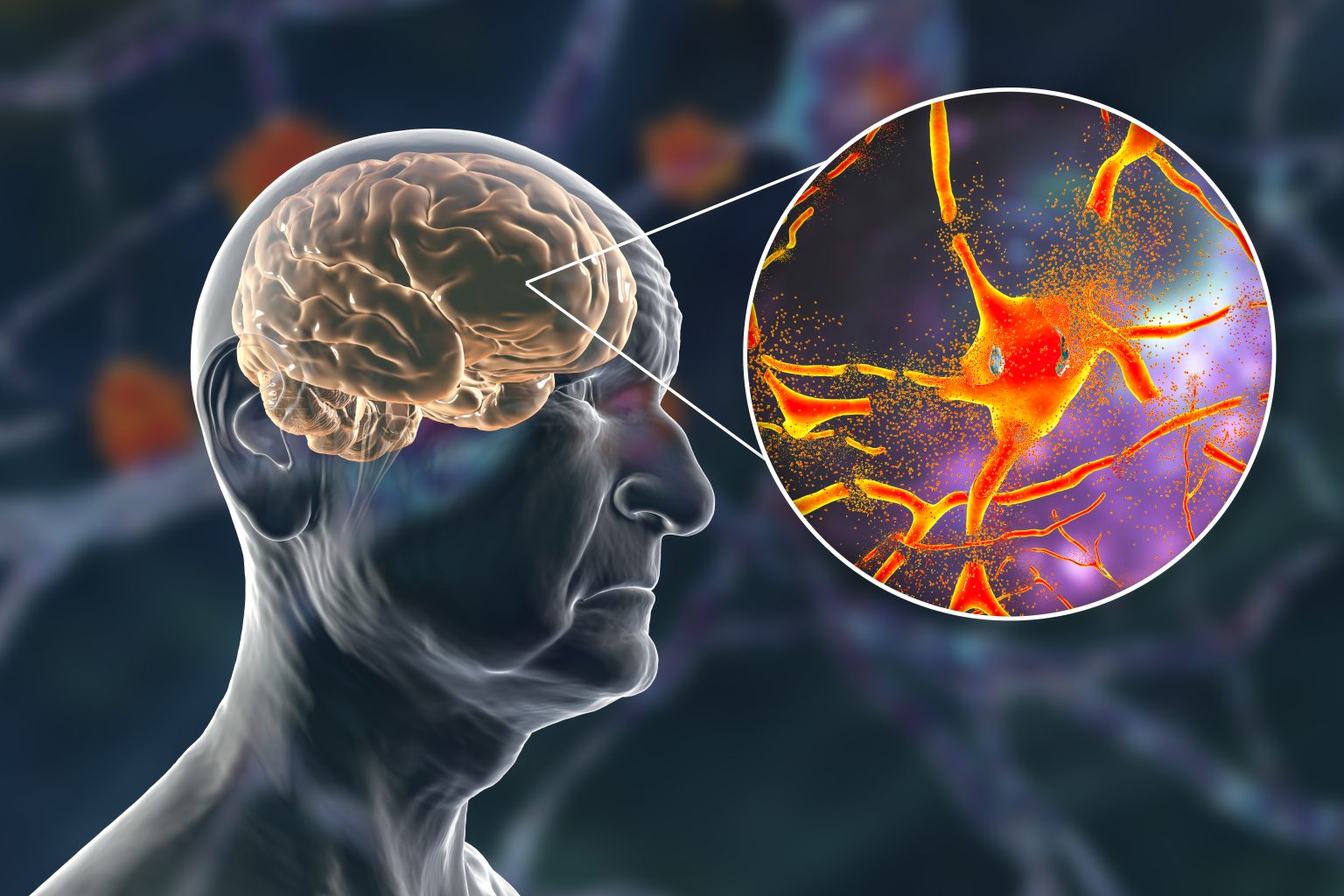
Parkinson’s and Alzheimer’s: It aims to prevent the rapid deterioration of cognitive and motor functions by reducing inflammation in areas where cell death occurs.
Cerebral Palsy and Autism: Protocols are applied to increase brain plasticity (learning and adaptation ability) in children and to strengthen communication between neurons.
ALS and MS: The main goal is to slow down nerve damage and maintain the patient’s mobility for the longest possible time.
Orthopedic and Regenerative Medicine Applications
One of the most common areas where stem cells are used clinically is in the musculoskeletal and cartilage system.
Joint Calcification (Osteoarthritis): It helps repair worn cartilage tissue in the knee, hip and shoulder joints.
Sports Injuries: It offers an alternative to surgery or a supportive repair process for meniscus tears, ligament injuries and chronic tendon damage.
Chronic Wounds: In non-healing tissue losses such as diabetic foot wounds, it accelerates wound closure by triggering new vessel formation (angiogenesis).
The table below summarizes the key effects of stem cells across different specialties:
| Treatment Area | Main Objective | Expected Cellular Response |
| Neurology | Nervous system protection | Supporting new nerve synapses and extinguishing the fire. |
| Orthopedics | Cartilage and tissue repair | Increasing collagen production and balancing joint fluid. |
| Immunity | Systemic balancing | Regulation of malfunctioning immune cells. |
According to Assoc. Prof. Dr. Erdinç Özek; “In orthopedic cases, stem cell application is the strongest line of defense before prosthesis surgery. When cells are injected directly into the joint, it increases the fluid quality there, reducing friction and slowing down cartilage destruction.”
Clinical Experience Note (Anonymous Case):
A 60-year-old patient whose walking distance fell below 100 meters due to advanced knee arthritis was treated with adipose tissue-derived mesenchymal stem cells. In the follow-up performed 4 months after the application, a 60% decrease in the patient’s pain scores and a significant increase in daily walking capacity were recorded.
How is Stem Cell Therapy Performed?
Stem cell therapy is not a random injection process; It is a personalized biological procedure in which the purity, viability and number of cells are meticulously checked.
The success of the treatment depends on delivering the right cell type to the targeted tissue with the right method. This process is optimized according to the patient’s general health condition and the type of disease being targeted.
Collection and Preparation of Stem Cells
The preparation stages vary according to the source of the stem cells to be used for treatment. In modern clinics, the process proceeds in the following steps:
Cell Source Identification: The patient’s own tissue (autologous) or certified donor-derived (allogeneic) cells are selected. Today, umbilical cord-derived cells do not impose an additional surgical burden on the patient as they are prepared in advance in the laboratory environment.
Separation and Replication: If cells are to be taken from the patient’s own fat or marrow, these tissues are purified by passing them through special centrifugation and filtration systems.
Quality Control: The viability, sterility and genetic stability of the cells are tested according to international standards (GMP – Good Manufacturing Practices).
Stem Cell Transplantation Process (Transplantation)
The stage of introducing the prepared highly concentrated stem cells into the body is the most critical part of the treatment. The application is carried out in a way that maximizes the ability of the cells to “homing” (finding the damaged area) by:
Intravenous (IV) Infusion: Cells are introduced into the circulation through a vein. It is especially preferred for systemic diseases (Lyme, Autoimmune disorders) and neurological conditions.
Local Injection: Cells are injected directly into the joint (knee, hip), spinal fluid (intrathecal), or in the very center of damaged tissue.
Targeted Transfer: Accompanied by imaging methods (ultrasound or scopy), cells are released into the problem area with millimeter precision.
The table below compares stem cell administration methods and preparation processes:
| Application Method | Preparation Process | Application Time | Advantage |
| Vascular Access (IV) | Laboratory Preparation | 30 – 60 Minutes | It acts on the whole body and systemic inflammation. |
| Local Injection | Sterile Clinical Preparation | 15 – 30 Minutes | Intensive repair in regional tissue damage (cartilage, etc.). |
| Spinal cord (Intratekal) | Specific Sterilization | 45 – 60 Minutes | It directly crosses the barrier of the brain and nervous system. |
Assoc. Prof. Dr. Erdinç Özek; “The most important criterion during stem cell transplantation is the ‘number of live cells’. As soon as cells enter the body, they begin to communicate with their environment. Therefore, cell viability during application is directly proportional to the speed of clinical recovery.”
Advantages of Stem Cell Therapy and Expected Results
Stem cell therapy, one of the most important advantages of modern medicine, is that it initiates a natural healing process by externally supporting the body’s depleted repair capacity.
The biggest difference of this treatment is that it targets the tissue destruction that causes these symptoms at the cellular level, rather than just suppressing symptoms (such as pain, numbness, weakness).
According to Assoc. Prof. Dr. Erdinç Özek, the most valuable advantage of stem cell therapy is “biological compatibility”; Instead of introducing a foreign chemical into the body, healing is achieved by using the repair language that the body already knows.
Success Rates and Clinical Efficacy
Success rates in stem cell therapy; It varies depending on the age of the patient, the stage of the disease, the type of cell used and the dosage.
Clinical studies show that success rates are between 70% and 90%, especially in early and mid-stage degenerative diseases (calcification, early-stage MS, chronic inflammatory conditions).
Regenerative Power: Provides structural improvement in damaged cartilage and nerve tissues.
Reduction in Drug Dependency: After successful cellular therapy, the need for painkillers and immunosuppressive drugs decreases in most patients.
Delaying Surgery: Especially in orthopedic cases, it can postpone prosthetic surgeries for many years or eliminate them completely.
Post-Treatment Recovery and Follow-up Process
Recovery after stem cell therapy is not an instant “cut and paste” result as in surgical operations, but a biological process that spans time.
This dynamic process, which begins after the cells are introduced into the body, usually follows the following stages:
Cellular Integration (1-15 Days): Cells settle in the tissue and begin to emit anti-inflammatory signals. During this stage, patients usually feel mild relief.
Tissue Restoration (1-4 Months): Thanks to the growth factors secreted by stem cells, new cell production and tissue repair are accelerated. Functional recoveries become evident during this period.
Maximum Benefit (6-12 Months): It is the period when cellular repair reaches its highest level. In this process, the tissues stabilize and the well-being gained is established.
The table below summarizes the follow-up criteria that patients should pay attention to post-treatment:
| Follow-up Period | Focus Point | Recommended Activity |
| 0 – 2 Weeks | Attachment of Cells | Avoiding heavy physical activity, drinking plenty of water. |
| 2 – 8 Weeks | Functional Start | Light exercises and rehabilitation under the supervision of an expert. |
| 3 – 6 Months | Permanent Repair | Periodic doctor check-ups and inflammation tests. |
Clinical Experience Note (Anonymous Case)
A 55-year-old patient who experienced shortness of breath in daily activities due to advanced COPD and systemic inflammation underwent IV mesenchymal stem cell administration. A 25% increase in capacity was observed in respiratory tests performed at 4 months after treatment and the patient’s dependence on oxygen support was minimized.
Frequently Asked Questions
Is stem cell therapy safe?
Yes, mesenchymal stem cells, especially those prepared in GMP certified laboratories, have a very low risk of side effects and are fully compatible with the body.
Is there an age limit for treatment?
Stem cell therapy can be applied to patients of all ages with suitable general health; However, the expected success rate may vary depending on the patient’s age and the stage of the disease.
Is hospitalization required after the application?
No, stem cell transplantation is usually an outpatient procedure, and patients can return to their daily lives shortly after the procedure is completed.
Is my own stem cell or donor cell better?
This varies according to the disease; However, in chronic diseases, “ready-made” cells originating from the umbilical cord are often preferred because they are younger and more dynamic.
When does the effect start to be seen?
Since cellular repair is a biological process, the first effects are usually felt within 4-8 weeks, with the maximum benefit becoming clear around the 6th month.
Do stem cells cause cancer?
Mesenchymal (adult-type) stem cells used in clinical applications do not have a risk of cancer; on the contrary, they have a high ability to regulate immunity.
Resource and Expert Knowledge
This information has been prepared in the light of Assoc. Prof. Dr. Erdinç Özek’s clinical experience and regenerative medicine protocols. Assoc. Prof. Dr. Erdinç Özek is one of Turkey’s leading physicians specializing in modern cellular therapies and the applications of stem cells in different disciplines.