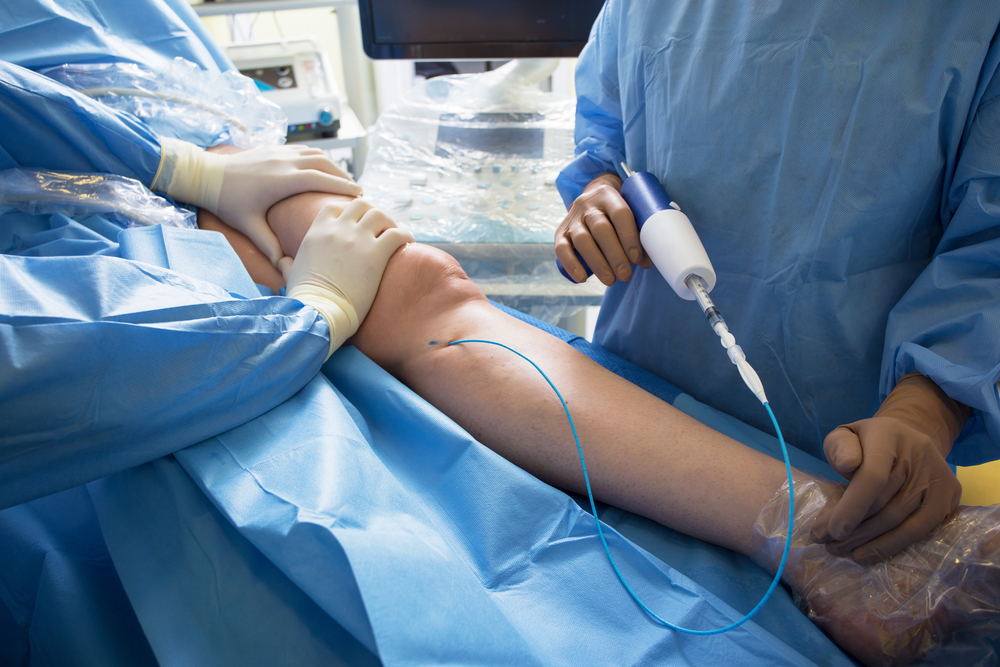
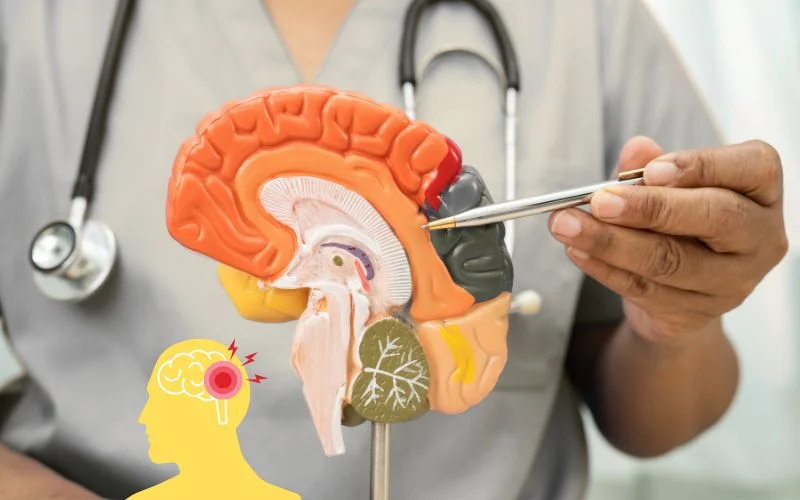


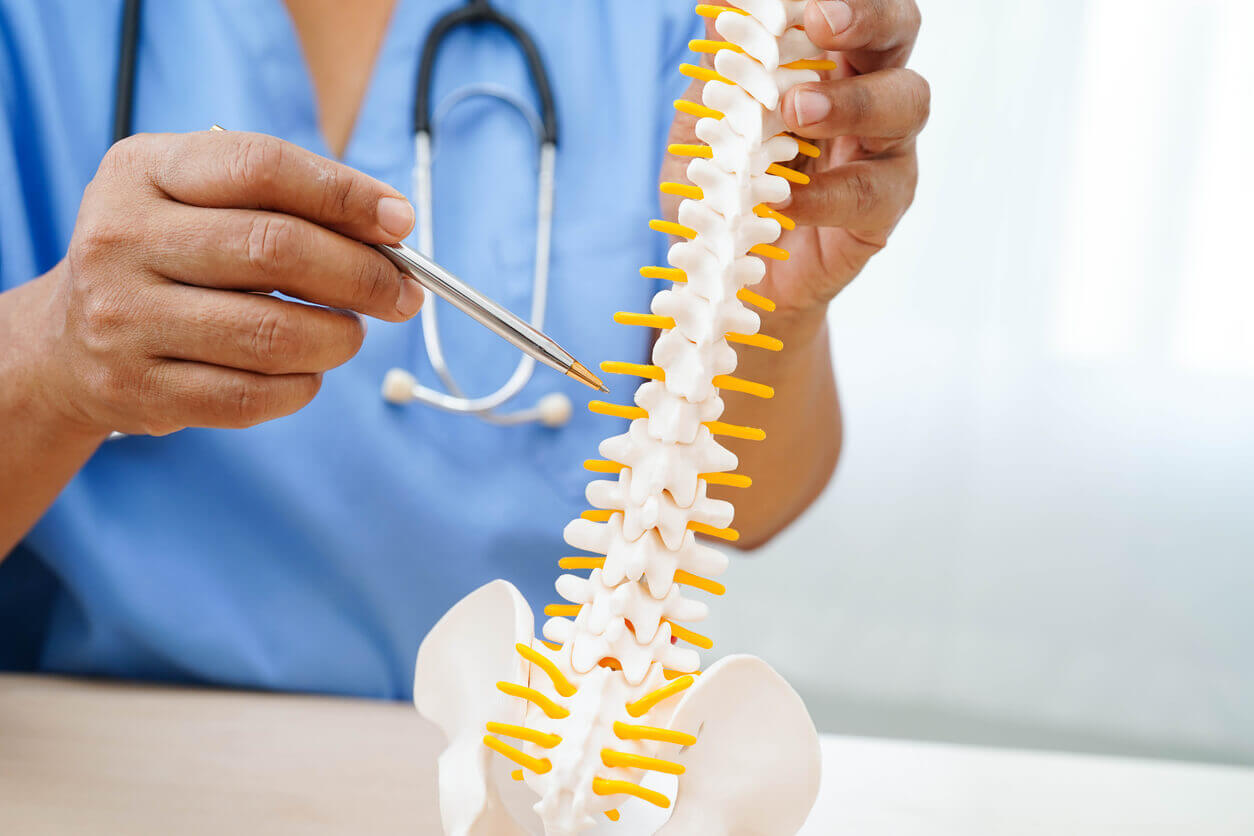
Spine and nerve surgery; It is a specialty that deals with the surgical and medical treatment of structural, traumatic or degenerative disorders affecting the spinal column, the spinal cord passing through it and the nerve networks that come out of the brain and distribute throughout the body.
This field is a sensitive neurosurgical discipline that aims to relieve pain and maintain the patient’s mobility by removing pressure not only on the bone structure but also on the nerve tissue.
What is Spine and Nerve Surgery?
Spine and nerve surgery (Neurosurgical Spinal Surgery) is the surgical science based on the spine line, one of the most critical bridges of the central nervous system.
Contrary to traditional approaches, this branch today; It focuses on providing anatomical restoration without damaging nerve tissue using advanced technologies such as microsurgery, endoscopy and neuromonitoring.
The main goal is; to maintain the load-bearing capacity of the spine, liberate the nerve roots and maximize the functional independence of the patient.
Which Diseases Does Spine and Nerve Surgery Treat?
Spine and nerve surgery covers pathologies in a wide anatomical area ranging from the skull base to the coccyx.
Waist and Neck Hernias
It is a condition in which the integrity of the discs between the vertebrae is disrupted and overflows into the nerve canals.
- Lumbar Disc Herniation: It is characterized by numbness in the leg, loss of strength and severe lower back pain.
- Neck Hernia (Cervical Disc Herniation): It causes numbness in the arms, decreased dexterity and neck pain.
Spinal Stenosis
It is the narrowing of the spinal canal and compression of the spinal cord due to aging.
Patients often feel heavy and need to stop in the legs after walking a certain distance (neurogenic claudication).
Spinal Curvatures (Scoliosis and Kyphosis)
It is an abnormal curvature of the spine to the sides (scoliosis) or forward (kyphosis/humpback).
Surgical correction and fixation (fusion) may be required, especially in growing children and degenerative processes in older ages.
Spinal Tumors
They are masses originating from the spinal cord itself, its membranes or bone structure.
Surgical intervention is critical both to remove nerve pressure and to determine the type of tumor (pathology) and to direct oncological treatment.
Spinal Fractures and Traumas
Fractures that develop due to traffic accidents, falls from a height or osteoporosis.
Spinal stability is restored by “screwing” (instrumentation) or “cementing” (kyphoplasty/vertebroplasty) methods.
Peripheral Nerve Surgery (Carpal Tunnel, etc.)
It is the compression or injury of the nerves outside the brain and spinal cord.
- Carpal Tunnel Syndrome: Nerve compression in the wrist.
- Ulnar Nerve Trap: Nerve compression in the elbow area.
According to Assoc. Prof. Dr. Erdinç Özek; “Success in spine surgery is not just about cleaning the hernia or inserting the screw in the right place. Success is that the patient can return to his social life painlessly after surgery. For this reason, acting on the principle of ‘not every hernia requires surgery’, we plan surgery with the most sparing (minimally invasive) method only in cases of neurological loss or resistant pain.”
| Type of Disease | Basic Symptom | First Choice Method | Recovery Time (Average) |
| Waist/Neck Hernia | Severe Pain / Loss of Strength | Microsurgery / Endoscopy | 1-2 Weeks |
| Narrow Channel | Shortening of Walking Distance | Decompression (Expansion) | 3-4 Weeks |
| Spine Fracture | Severe Local Pain | Kyphoplasty / Screwing | 2-4 Weeks |
| Nerve Compression | Hand/Foot Numbness | Microscopic Loosening | 1 Week |
Methods Used in Spine and Nerve Surgery
Today, spine surgery has become much safer thanks to minimally invasive technologies that cause the least damage to the tissue.
These modern approaches increase surgical success rates while shortening the patient’s hospital stay.
Microsurgery Method
Microsurgery is considered the “gold standard” of spine surgery.
- Technical Detail: It is performed using high-resolution surgical microscopes. Nerves and herniated tissues are magnified 10 to 20 times.
- Advantage: It is done by entering through a very small incision (about 2 cm). The risk of nerve damage is minimized as it allows the surgeon to see the nerve roots with millimeter precision.
Fully Closed (Endoscopic) Spine Surgery
The endoscopic method is performed by entering the body through a hole smaller than 1 cm with the help of a camera.
- Application: It is generally preferred in cases of herniated disc and some narrow canals. Muscle tissue is not cut, only spaced.
- Conclusion: Postoperative pain is very minimal and the patient can usually be discharged on the same day. There is almost no scarring due to surgery.
Robotic Spine Surgery
It is the most advanced technology used especially in spinal curvatures and complex cases requiring stabilization (screwing).
- Process: 3D images taken before surgery are uploaded to the robotic system. The surgeon plans the route where the screws will be placed on the computer.
- Accuracy: The robotic arm offers millimeter guidance to the surgeon, ensuring that the screws are placed with 99.9% accuracy without damaging the nerve canals.
Recovery Process After Spine Surgery
Recovery after spine surgery is now much faster thanks to the preservation of tissues.
- First Steps: After microsurgery or endoscopy, patients are usually stood up and walked 4-6 hours after surgery.
- Hospital Stay: Depending on the scope of the procedure, a hospital stay of 1 night is usually sufficient.
- Home Care: Heavy lifting and sudden turning movements should be avoided for the first 1 week.
- Physical Therapy: After complex spine surgeries (such as scoliosis or screw systems), a personalized physical therapy program is recommended to strengthen the muscles.
According to Assoc. Prof. Dr. Erdinç Özek; “In modern spine surgery, ‘success’ is not just about relieving the patient’s pain; The patient has the comfort to return to work or social life the next day. Thanks to microsurgical and endoscopic methods, we can put aside the fear of nerve damage and promise our patients a comfortable recovery.”
Clinical Experience Note (Anonymous Case): A 45-year-old patient with severe loss of strength and onset of urinary incontinence in both legs underwent microsurgery with the diagnosis of “Cauda Equina Syndrome” (emergency nerve compression). The patient, whose neurological findings started to improve in the 24th hour after the operation, was able to take long walks on his own on the 10th day. This case illustrates the importance of timing and technical precision in spine surgery.
Frequently Asked Questions
What is the risk of paralysis after spine surgery?
The “Neuromonitoring” devices used today instantly monitor the condition of the nerves during surgery. Thanks to this technology and microsurgical methods, the risk of permanent paralysis is statistically extremely low.
Does hernia recur after herniated disc surgery?
The recurrence rate after a successful operation with microsurgery is around 3-5%. This risk is further reduced by the patient paying attention to their weight and doing waist exercises.
How long after surgery can I take a bath?
Thanks to the aesthetic stitches and waterproof dressings used, our patients can usually take a warm shower 3 days after the surgery.
Resource and Expert Knowledge
This article has been prepared based on Assoc. Prof. Dr. Erdinç Özek’s current clinical achievements in spinal microsurgery, endoscopic discectomy, and complex spine stabilization in 2026 and neurosurgery practice protocols. Assoc. Prof. Dr. Erdinç Özek is a neurosurgical authority specializing in modern spine approaches that aim to restore patients’ freedom of movement.