

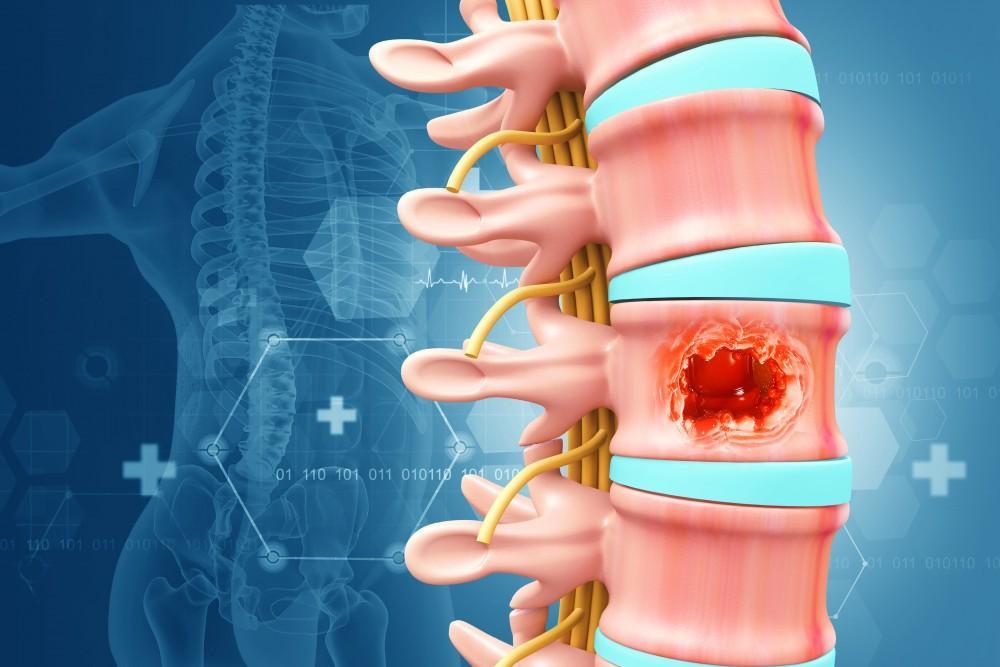
Spinal tumors are masses formed by the uncontrolled proliferation of cells in the bones, nerve tissues or surrounding soft tissues in the spinal canal.
These tumors can originate directly from the spine’s own tissues, or they can develop as a result of cancer from another part of the body (breast, lung, prostate, etc.) spreading to the spine (metastasis).
What is a Spinal Tumor?
A spinal tumor is a formation that is located in any segment of the spinal column (neck, back, waist) and threatens both the bone structure and the spinal cord with its space-occupying feature.
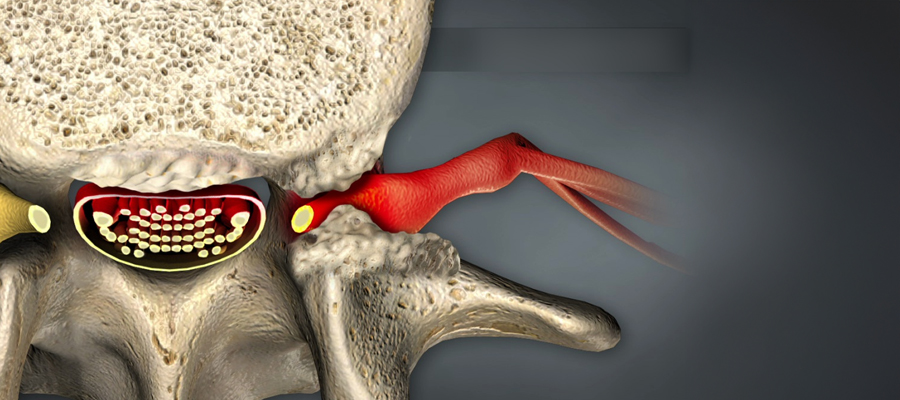
Since the spinal canal has a limited volume, even the smallest mass that develops here can put pressure on the spinal cord, leading to loss of neurological functions.
In the medical world, these tumors are not only described as “cancer”; Even benign ones are considered “surgically serious” due to the physical pressure they create on the spinal cord.
According to Assoc. Prof. Dr. Erdinç Özek; “Spinal tumors should not be seen as just a ‘mass’. Each tumor is a delicate balance that the patient establishes with their mobility and nervous system. Our goal is not only to remove the tumor, but also to maintain the load-bearing capacity of the spine and ensure healthy conduction of the nerves.”
What are the Symptoms of Spinal Tumor?
Symptoms vary depending on the level of the spine and the growth rate of the tumor. They usually progress insidiously.
- Increased Back and Low Back Pain at Night: It is the most typical symptom. Persistent pain that does not go away with rest, wakes the patient up at night and intensifies over time.
- Neurological Losses: Numbness, tingling, feeling cold, or loss of muscle strength in the arms or legs.
- Difficulty Walking: Balance disorders, frequent falls or shortening of walking distance.
- Numbness: Decreased sensitivity to heat or cold, loss of sense of touch.
- Bladder and Bowel Problems: Loss of control as a result of the tumor pressing on the nerve roots (medical emergency).
- Spinal Deformity: Some tumors can melt the spinal bone, leading to deformities such as scoliosis or kyphosis.
Causes of Spinal Tumors
Why spinal tumors develop is still the subject of extensive research in the medical world, but some risk factors stand out.
- Metastasis (Most Common Cause): The vast majority of spinal tumors occur when cancers from other organs reach the spine through the blood.
- Genetic Predisposition: Inherited conditions such as neurofibromatosis type 2 and Von Hippel-Lindau disease predispose to the development of tumors in the nervous system.
- Immune System: Spinal canal tumors may be more common in immunocompromised individuals (e.g., lymphoma patients).
- Environmental Factors: Radiation exposure or certain carcinogens can disrupt cell DNA, triggering primary spine tumors.
Clinical Experience Note (Anonymous Case): A 42-year-old patient presented with back pain that persisted for about 3 months and only intensified at night. The patient, who was initially treated with physical therapy for “muscle pain”, was found to have a benign tumor (meningioma) located in the spinal cord membrane (intradural) in the MRI examination. After the complete removal of the tumor by microsurgical method, the patient’s pain completely disappeared and he returned to his social life without any permanent damage.
Classification of Spinal Tumors
Spinal tumors are classified according to the tissue they originate from and their neighborhood relationship with the spinal cord. This classification plays a key role in determining the surgical planning and the need for radiotherapy.
Primary Spine Tumors
They are tumors that originate from the spine’s own bone, cartilage or nerve tissue. Primary tumors are rare and can be divided into benign (e.g., osteoid osteoma, hemangioma) or malignant (e.g., osteosarcoma, chordoma).
Secondary (Metastatic) Spinal Tumors
It is the most common type of spinal tumor. It is the spread of cancer cells from another part of the body to the spine through blood or lymph. Lung, breast and prostate cancers are the most common types of spinal metastases. In modern medicine, the main goal is to improve the quality of life of these patients.
Spinal Tumors by Location (Intradural, Extradural)
The relationship of the tumor with the spinal cord membrane (dura) completely changes the surgical approach:
- Extradural: They are tumors that develop outside the spinal cord membrane, usually in the bone structure (The most common type).
- Intradural-Extramedullary: They are tumors that develop inside the spinal cord membrane but outside the spinal cord tissue (nerve roots or membrane).
- Intramedullas: They are tumors that develop directly inside the spinal cord tissue and require the most sensitive intervention.
Diagnostic Methods
Accurate diagnosis involves understanding the tumor’s character and its microscopic relationship with nerve tissues.
- Magnetic Resonance (MRI): It is the most superior method in showing soft tissues and nerve pressure. Contrast-enhanced MRI reveals the blood supply level of the tumor.
- Computed Tomography (CT): It is used to assess how much the bone has been destroyed by the tumor and the strength (stability) of the spine.
- PET-CT: It is preferred to detect other spreads of the tumor in the body (metastasis) and to measure the biological activity of the mass.
- Biopsy: It is the taking of a tissue sample for a definitive diagnosis (to determine the type of tumor).
Spinal Tumor Treatment Methods
Treatment requires a multidisciplinary approach. The surgeon, oncologist and radiologist decide together.
Surgical Treatment (Microsurgery and Stabilization)
It includes the stages of tumor removal and support of the spine. Thanks to microsurgery, the tumor is separated from the nerve tissue with millimeter precision under high-magnification microscopes. If the tumor has weakened the bone tissue, stabilization (platinum insertion) is performed with titanium screws.
Radiotherapy and Chemotherapy
It is applied to destroy the remaining cells after surgery or to shrink the tumor in patients who are not suitable for surgery. It is very effective for providing pain control in metastatic tumors.
Gamma Knife and Radiosurgery
It is highly focused radiation therapy called “no-scalpel surgery” for small tumors, especially in areas that are surgically difficult to reach or high-risk.
According to Assoc. Prof. Dr. Erdinç Özek; “The ‘success’ in spinal tumor surgery is that the patient comes out of the operation in a better neurological condition as well as completely removing the tumor. At this point, the use of Intraoperative Neuromonitoring is essential. This technology instantly reports the condition of the nerves to us while we are performing the surgery and allows us to stay within safe limits.”
| Treatment Method | Objectives | Hospital Stay | Key Advantage |
| Microsurgery | Tumor removal / Nerve relief | 3 – 5 Days | Immediate nerve relief |
| Stabilization | Strengthening the spine | 4 – 5 Days | Early mobilization |
| Radiosurgery | Stopping tumor growth | Same day | No incision |
Recovery Process After Spinal Tumor Surgery
- Mobilization: Patients are usually walked with the help of special corsets one day after surgery.
- Pain Control: With the removal of tumor compression, rapid relief is usually observed in nerve root pain.
- Physical Therapy: Early physical therapy is vital to accelerate neurological recovery in patients with nerve damage.
- Oncological Follow-up: Additional radiotherapy or chemotherapy is planned according to the pathology result.
Frequently Asked Questions
Does a spinal tumor necessarily cause paralysis?
The risk of paralysis is minimized with early diagnosis and interventions before the nerve tissue is permanently damaged.
Is non-surgical treatment possible?
Benign and very slow-growing, non-pressing tumors can only be followed closely. However, intervention is essential in progressive tumors.
Should surgery be performed on metastatic tumors?
If the patient’s life expectancy is suitable and the tumor poses a risk of severe pain or paralysis, surgery is recommended to improve the quality of life (palliative surgery).
Resource and Expert Knowledge
This article has been prepared in the light of Assoc. Prof. Dr. Erdinç Özek’s 2026 current literature data in the field of microsurgical treatment of complex spinal tumors and spinal oncology. Assoc. Prof. Dr. Erdinç Özek is a neurosurgeon experienced in nerve-sparing surgical techniques and advanced technological imaging systems.