

Neurooncology and pediatric neurooncology; It is a specialty at the intersection of neurosurgery and oncology, dealing with the diagnosis, surgery and follow-up of primary or metastatic tumors affecting the central nervous system (brain and spinal cord).
This discipline focuses on nervous system masses seen in both adults and children with developing processes (pediatric group) with a multidisciplinary approach and advanced microsurgical techniques.
What is Neurooncology?
Neurooncology is the branch of science that studies the biology, clinical behavior and treatment of tumors originating from brain and spinal cord structures or spreading from another part of the body to these areas.
While adult neurooncology usually deals with age-related cell mutations or metastases; Pediatric neurooncology is based on the unique cell development and genetic differences of childhood.
The main goal in this field is to ensure that the tumor is controlled or completely cleared while preserving the patient’s cognitive and physical functions.
What are the Symptoms of Neurooncological Diseases?
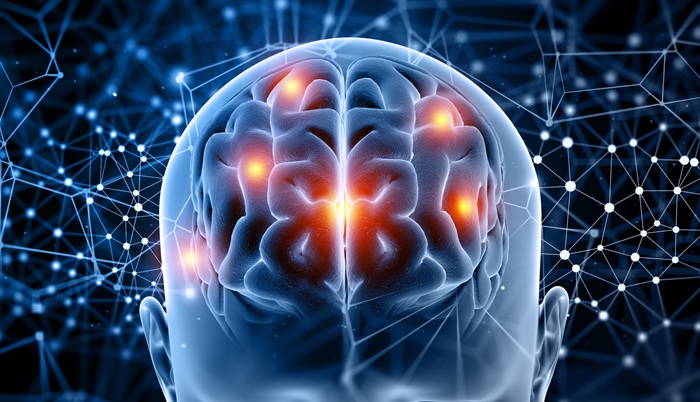
Central nervous system tumors show symptoms by increasing intracranial pressure or pressing directly on nerve tissue due to their space-occupying properties.
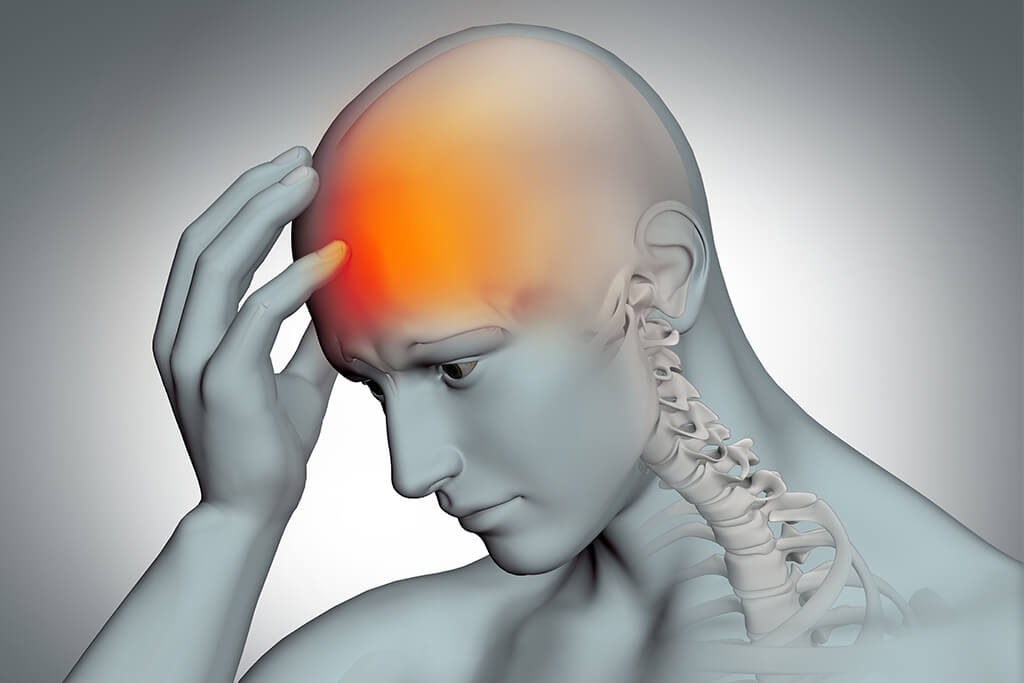
- Resistant Headaches: Persistent pain, which is especially severe in the morning and may be accompanied by nausea and vomiting.
- Seizures (Epilepsy): The first seizure in an adult or child with no previous history of seizures requires a neurooncological evaluation.
- Personality and Behavioral Changes: Sudden outbursts of anger, apathy or character changes can be observed in frontal lobe involvement.
- Loss of Function: Numbness on one side of the body, loss of strength (paralysis), visual disturbances, or difficulty speaking.
- Balance and Coordination Problems: Wobbling while walking, difficulty doing fine hand work (may be a sign of cerebellar tumors).
Assoc. Prof. Dr. Erdinç Özek; “Brain tumor symptoms can sometimes be very insidious. For example, conditions that seem like simple forgetfulness or fatigue may be a sign of a slow increase in intracranial pressure. Regardless of the duration and severity of symptoms, neurological examination and radiological imaging (MRI) are the golden keys to diagnosis.”
Classification of Neurooncological Tumors
According to the World Health Organization (WHO) criteria, brain and spinal cord tumors are graded on a scale of I to IV based on the level of aggressiveness of the cells.
Benign Tumors
Benign tumors are usually slow-growing and do not directly infiltrate surrounding healthy brain tissue.
- Characteristics: Its boundaries are usually defined; This makes it easier for them to be surgically removed.
- Treatment: When they are completely removed with microsurgery, the risk of recurrence is low. However, if their location is at a vital point (such as the brain stem), they pose a risk even if they are benign.
- Examples: Meningiomas, pituitary adenomas and some schwanomas are in this group.
Malignant Tumors
Malignant tumors grow rapidly and spread by infiltrating healthy brain tissue like a tree root.
- Characteristics: It is difficult to clearly draw the boundaries of these tumors. They usually require additional treatments such as radiotherapy and chemotherapy after surgery.
- Treatment: The goal is to remove as much mass as possible (debulking) without damaging the functions and then proceed with the oncological process.
- Examples: Types such as Glioblastoma Multiforme (GBM) and medulloblastoma are the most well-known malignant tumors.
Clinical Experience Note (Anonymous Case): A 55-year-old male patient presented with mild weakness in his right hand and difficulty in finding words while speaking for the last 1 month. Contrast-enhanced MRI revealed a mass located in the left brain hemisphere, adjacent to the speech center. The patient was operated using ‘Neuromonitoring’ and ‘Neuronavigation’ technologies during surgery; 95% of the mass was cleared by preserving speech functions. The patient, who was planned for additional treatments after the pathology result, did not have any neurological deficit (loss) after surgery.
What is Pediatric Neurooncology?
Pediatric neurooncology is a specific specialty that deals with brain and spinal cord tumors in children and adolescents starting from the womb to the age of 18.
Since the nervous system of children is still in the developmental stage, the biological behavior, response to treatment and surgical sensitivity of tumors in this age group are completely different from adults.
This discipline aims to protect not only the child’s current health, but also their growth, development, and future quality of life (cognitive and physical functions).
Symptoms of Childhood Brain Tumors
Children, especially young ones, may not be able to express their complaints verbally. Therefore, parental observation is vital.
- Growth in Head Circumference: Fontanel tension or faster than normal enlargement of the head circumference in infants (hydrocephalus).
- Gushing Vomiting: Nausea-free and gushing vomiting, especially in the morning on an empty stomach.
- Developmental Regression: The child loses the skills he has previously acquired (sitting, walking, talking).
- Impaired Eye Movements: Downward shift of the eyes, called the “setting sun” view, strabismus or sudden vision loss.
- Loss of Balance and Frequent Falls: Imbalance in gait (ataxia) and coordination disorder.
According to Assoc. Prof. Dr. Erdinç Özek; “Symptoms in children can sometimes be confused with ‘school fatigue’ or ‘psychological processes’. However, if a child has morning vomiting and imbalance, a pediatric neurosurgeon should be consulted immediately. Early detection is the only way to prevent permanent damage to a developing brain.”
Common Types of Brain Tumors in Children
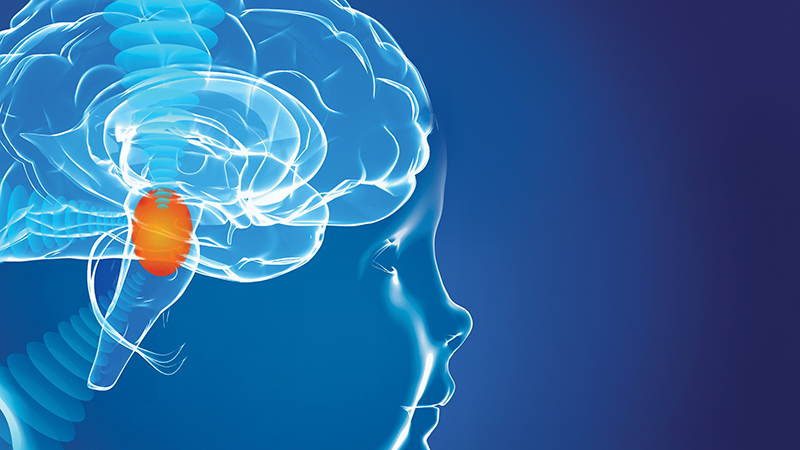
Most of the tumors seen in the pediatric group tend to be located in the cerebellum (posterior pit) region, unlike adults.
- Pilocytic Astrocytoma: It is a tumor that is usually benign and has a very high recovery rate when completely removed by surgery.
- Medulloblastoma: It is the most common malignant brain tumor in children. It originates in the cerebellum and can spread through the cerebrospinal fluid.
- Ependymoma: It originates from the cells lining the cavities in the brain and has a very high surgical sensitivity.
- Craniopharyngioma: They are benign tumors located close to the optic nerves and hormone center, but their surgery is very complex.
Diagnostic Methods
Modern imaging technologies allow us to map the tumor to the millimeter.
- Contrast-Enhanced Brain MRI: It is the gold standard that most clearly shows the location of the tumor, its borders and its relationship with the surrounding tissue.
- MR Spectroscopy: It examines the chemical structure of the tumor and gives an idea about the distinction between benign and malignant before surgery.
- Functional MRI: It is used to determine the relationship of the tumor with critical areas such as the speech or movement center.
- CSF (Cerebrospinal Fluid) Examination: It is the process of removing fluid from the waist to control the spread of some tumors (especially medulloblastoma).
Neurooncology Treatment Methods
The treatment process is carried out with personalized “precision medicine” methods for each patient.
Neurosurgery (Surgical Intervention)
Surgery is often the first and most critical step of treatment. The mass is reached by microsurgical methods.
- Neuronavigation: During the surgery, it provides “directions” to the surgeon, allowing him to locate the tumor precisely.
- Intraoperative Neuromonitoring: It minimizes the risk of paralysis by sending electrical signals to nerve pathways throughout surgery.
Radiotherapy and Chemotherapy
It is used to destroy residual cells after surgery. Radiotherapy in children is generally preferred after the age of 3 due to brain development.
Immunotherapy and Smart Drugs
They are new generation treatment methods that are specific to the genetic structure of the tumor, target only the cancerous cell and do not damage healthy tissues.
| Method | Application Purpose | Key Advantage | Healing Process |
| Microsurgery | Complete cleansing of the mass | Instant deprinting | 4 – 7 days hospitalization |
| Radiosurgery | Freezing of small/deep masses | Being without scalpel and incision | Discharge on the same day |
| Chemotherapy | Systemic cell control | Reduce the risk of spread | Depending on treatment cycles |
Multidisciplinary Approach in Pediatric Neurooncology
Success in childhood tumors is the success of a team, not a single surgeon. This team, consisting of a pediatric neurosurgeon, pediatric oncologist, radiation oncologist, pediatric neurologist and child psychologist, manages the child’s developmental process holistically.
Frequently Asked Questions
Does brain tumor surgery affect a child’s intelligence?
With modern surgical methods, the goal is to remove the tumor without touching the brain tissue. The aim of the surgery is to preserve intelligence and development by relieving them of the pressure of the tumor.
Is physical therapy necessary in the postoperative period?
If the tumor is close to the center of movement or if there is a loss of strength before surgery, early rehabilitation is very effective in restoring functions.
Resource and Expert Knowledge
This content has been prepared in line with Assoc. Prof. Dr. Erdinç Özek’s current clinical protocols and deep experience in pediatric neurosurgery and oncological surgery in 2026. Assoc. Prof. Dr. Erdinç Özek is a name with advanced expertise in microsurgical treatment of childhood brain tumors and nerve-sparing surgery techniques.