



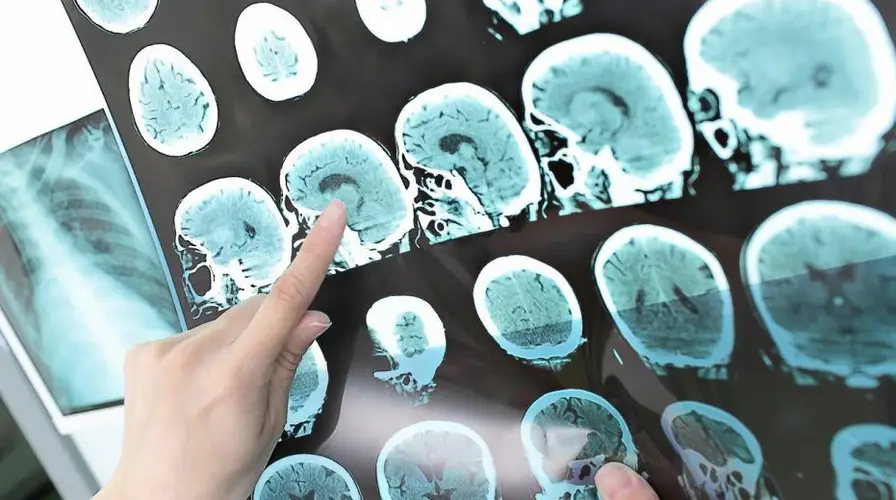
MS treatment with stem cells is a biotechnological treatment method that aims to repair damage caused by the body’s immune system attacking its own nerve sheaths and to reorganize the malfunctioning immune response.
This treatment focuses on halting the progression of the disease and restoring lost functions by suppressing inflammation in the central nervous system in MS patients.
What is Multiple Sclerosis (MS)?
Multiple Sclerosis (MS) is a chronic, autoimmune disease in which the immune system perceives the myelin sheath that protects nerve fibers in the brain and spinal cord as “foreign” and attacks it.
Stem cell therapy comes into play at this point, taking on the task of “resetting” the immune system or supporting damaged nerve tissue.
While traditional treatments only try to reduce the frequency of attacks, stem cell approaches aim to improve the biological basis of the disease.
How Does Stem Cell Work in MS Disease?
After stem cells are injected into the body, they detect inflamed areas in the nervous system thanks to their “homing” ability.
When these cells reach the area, they secrete signaling molecules called cytokines, stopping the damage caused by immune cells to nerve sheaths.
This intervention, which takes place at the cellular level, triggers “plasticity” in the brain, that is, the ability to repair.
Myelin Sheath Repair and Immune System Regulation
The main problem of MS is the destruction of the myelin sheath that provides nerve conduction.
Stem cells restore the balance of the immune system through the action of “immunomodulation” and promote the survival of myelin-producing cells (oligodendrocytes).
Thus, nerve conduction is accelerated and the potential for improvement in patients’ motor skills is revealed.
According to Assoc. Prof. Dr. Erdinç Özek: “The main power of stem cells in the treatment of MS is that it brings a ‘peaceful’ order to the immune system. By supporting the formation of new myelin in damaged areas, it can be ensured that the patient comes out of the attack periods with less damage.”
Types of Stem Cells Used in MS Treatment
In MS clinical applications, different cell types are preferred according to the patient’s condition and the type of disease (such as RRMS, SPMS).
The table below shows the characteristic differences of the main methods used in the treatment of MS:
Mesenchymal Stem Cells
Mesenchymal stem cells (MSC) stand out for their safe nature and availability from ethical sources (e.g., umbilical cord).
These cells are highly effective in crossing the blood-brain barrier, reaching the central nervous system and creating an anti-inflammatory environment there.
They wake up the body’s own repair mechanisms while stopping cells that directly attack nerve sheaths.
Hematopoietic Stem Cell Transplantation (HSKN)
Hematopoietic stem cell transplantation is a more aggressive method and usually involves destroying the existing immune system with chemotherapy and then establishing a new system with stem cells.
This method is defined as “erasing the immune memory” and may be preferred in cases where the disease progresses very rapidly.
However, due to high risk factors, mesenchymal stem cell treatments are gaining popularity as a more comfortable and accessible alternative today.
Case Study (Anonymized): A 32-year-old female patient diagnosed with Relapsing-Remitting MS (RRMS) had a 60% reduction in attack frequency and a significant improvement in fatigue scale after a mesenchymal stem cell course with reduced response to conventional medications. It was observed that new lesion formation stopped in the control MRIs taken in the 1st year of the application.
Who is Stem Cell Therapy Applied to?
Stem cell therapy is not a standard procedure for every MS patient, but is an approach that is personalized according to the patient’s medical history, frequency of attacks and current neurological picture.
This treatment is often considered as a supportive option in individuals who do not respond adequately to traditional immune-modulating drugs (DMT) or whose disease progresses.
Suitable Candidates and Criteria for Treatment
When planning stem cell administration, the patient’s general health status and the capacity of the immune system are meticulously analyzed.
Suitable candidates are typically determined based on the following criteria:
Drug Resistance: Those who continue to have attacks despite current first- and second-line MS treatments.
Active Inflammation: Individuals with lesions that are still active (retaining) on MRI images.
General Health Score: The EDSS (Extended Disability Status Scale) score is at a level that can respond to treatment.
In Which Stages of MS Are Stem Cells Preferred?
The success of the treatment is directly related to the stage at which the disease is caught.
In MS patients with Relapsing-Remitting (Exacerbation and Extinction), the highest success rates are observed to regulate the immune system and stop the damage.
In the Secondary Progressive stage, the aim is to preserve existing functions and slow the rate of neurological destruction.
How is Stem Cell Therapy Applied?
Stem cell administration in MS is a technical process that aims to reach the central nervous system in the most effective way.
The application is performed in sterile hospital conditions with interventional methods that do not require surgery according to the clinical picture of the patient.
Application Methods and Protocols
There are usually two main ways to treat MS:
1. Intravenous Administration: It is aimed to filter the cells into the systemic circulation and filter them to the brain through the blood-brain barrier.
2. Intrathecal (Through Fluid from the Waist) Administration: Cells are introduced directly into the cerebrospinal fluid (CSF), allowing for faster penetration into the nervous system.
According to Assoc. Prof. Dr. Erdinç Özek: “Since the focus of neurological damage in MS patients is the central nervous system, intrathecal delivery of some of the cells facilitates the formation of the cellular density required for myelin repair in the targeted area.”
Treatment Process and Follow-up
The treatment process does not only consist of cell injection, but also requires long-term follow-up.
The follow-up periods after the application are as follows:
Short-Term Follow-Up (First 1 Month): Stabilization of the immune response and observation of potential side effects.
Medium-Term Follow-up (3-6 Months): Evaluation of changes in attack frequency and improvements in motor skills with clinical tests.
Long-Term Follow-Up (1 Year): Confirmation of whether new plaque formation has stopped with control MRI scans.
Advantages and Success Rates of Stem Cell Therapy
Stem cell therapy offers not only symptomatic relief but also a biological advantage in MS management, addressing the pathophysiology of the disease.
Clinical Studies and Results
International clinical trials show that mesenchymal stem cells stabilize disease activity in approximately 60-70% of MS patients.
In particular, significant improvements have been reported in symptoms that directly affect quality of life, such as chronic fatigue, loss of balance and muscle stiffness (spasticity).
Potential Side Effects and Risk Analysis
Since mesenchymal stem cells are derived from the patient’s own tissue or certified umbilical cord sources, they do not pose a risk of tissue rejection.
Possible mild side effects include:
Transient headache or fever with low frequency.
Mild tenderness at the application site.
Short-term weakness after the procedure.
Frequently Asked Questions
Does stem cell therapy completely end MS?
In today’s medical technology, MS is not a disease that has been completely eliminated; However, stem cells are one of the most powerful auxiliary tools in stopping the progression of the disease and functional recovery.
Is there immediate improvement after treatment?
It is a time-consuming process for cells to regulate the immune system and repair tissue. Generally, the effects begin to become evident from the 3rd month.
How many times can MS patients receive this treatment?
Depending on the course of the disease and the patient’s response, sessions can be repeated at regular intervals (usually once or twice a year) with the decision of the specialist physician.
Case Analysis (Anonymized): A 40-year-old patient who had been followed up with MS for 8 years and whose walking distance decreased to 100 meters underwent combined (IV + IT) stem cell application. It was noted that 6 months after the application, the patient’s walking distance increased to 400 meters and the time without an attack exceeded 18 months.
Resource and Expert Knowledge
This white paper is based on the clinical protocols of Assoc. Prof. Dr. Erdinç Özek, who specializes in neurodegenerative processes and regenerative medicine. Assoc. Prof. Dr. Erdinç Özek is an expert who works without compromising scientific ethical principles in personalized stem cell and exosome treatments for MS patients in Turkey and integrates current developments in this field into his clinical practice.