
Cerebral Palsy treatment with stem cells; It is one of the most important application areas of regenerative medicine, which aims to repair damage to the brain before, during or after birth at the biological level.
This method aims to strengthen nerve conduction in the brain and restore lost motor functions by supporting traditional physical therapy processes.
According to Assoc. Prof. Dr. Erdinç Özek, the neuro-restorative potential of stem cells allows brain damage, which is considered static in childhood strokes, to enter a dynamic healing process.
What is Cerebral Palsy (Cerebral Palsy)?
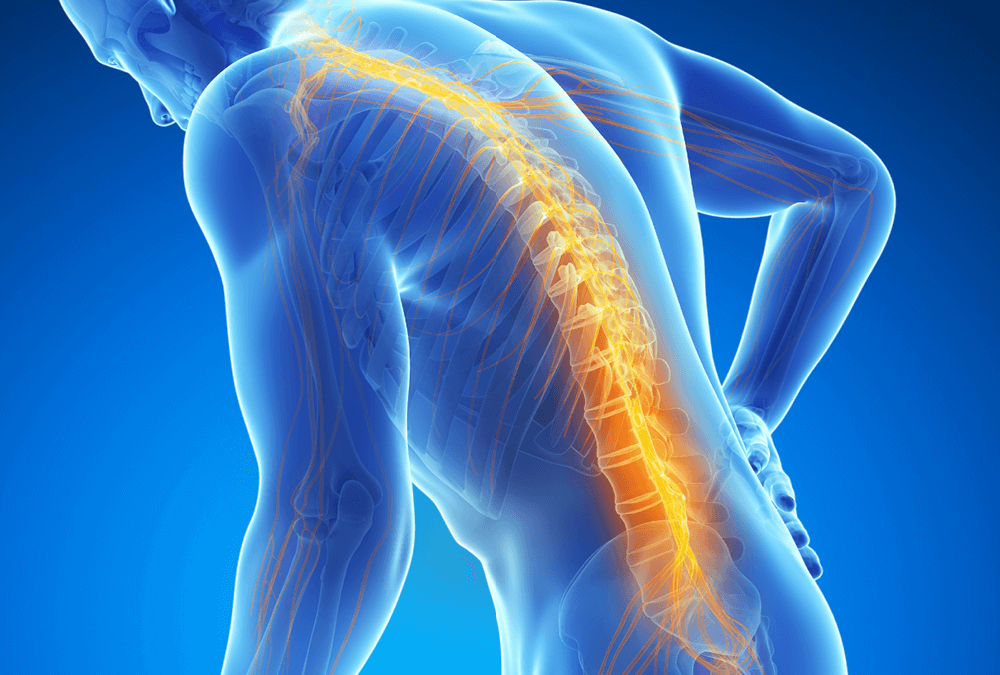
Cerebral Palsy (CP) is a group of disorders that occur as a result of damage to the areas of the developing brain that control movement, muscle tone, and posture.
While the damage to the brain is not progressive, as the child grows, the symptoms may become more pronounced, leading to secondary deformities in the skeletal structure.
Modern medicine uses the regenerative power of stem cells to change the biological basis of this damage.
Cerebral Palsy Symptoms and Types
Cerebral Palsy presents with different clinical pictures depending on which part of the brain the damage is in.
Spastic CP: It is the most common type; It is characterized by extreme stiffness in the muscles and difficulty in movement.
Dyskinetic CP: Involuntary and uncontrolled movements are at the forefront.
Ataxic CP: Balance and coordination problems, tremors are seen.
Symptoms include difficulty walking, speech disorders, weakness in fine motor skills, and sometimes cognitive delays.
Persistence of Brain Injury and the Need for Repair
Traditionally, brain damage was considered “permanent” and nerve cells could not regenerate.
However, current neuroscience studies have proven that the brain can form new neural pathways (neuroplasticity) with appropriate stimuli and cellular support.
Stem cell therapy aims to activate “silent” cells in damaged areas by increasing the brain’s limited repair capacity.
How is Stem Cell Therapy Applied in Cerebral Palsy?
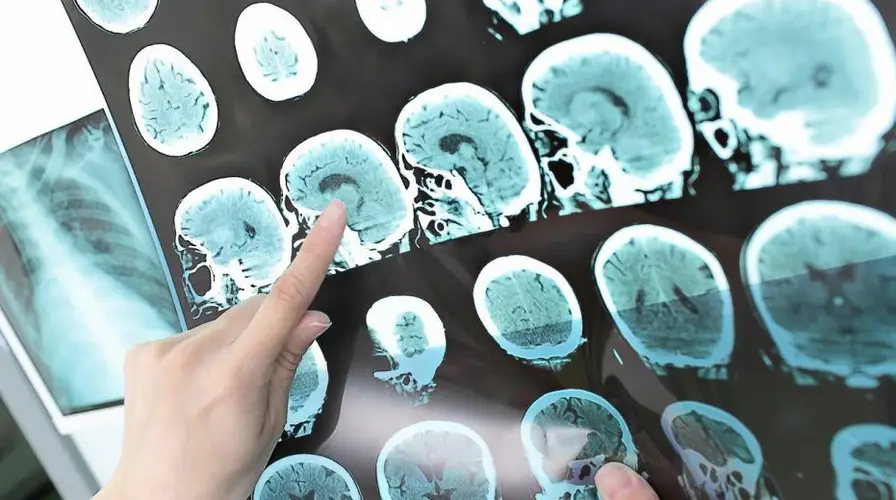
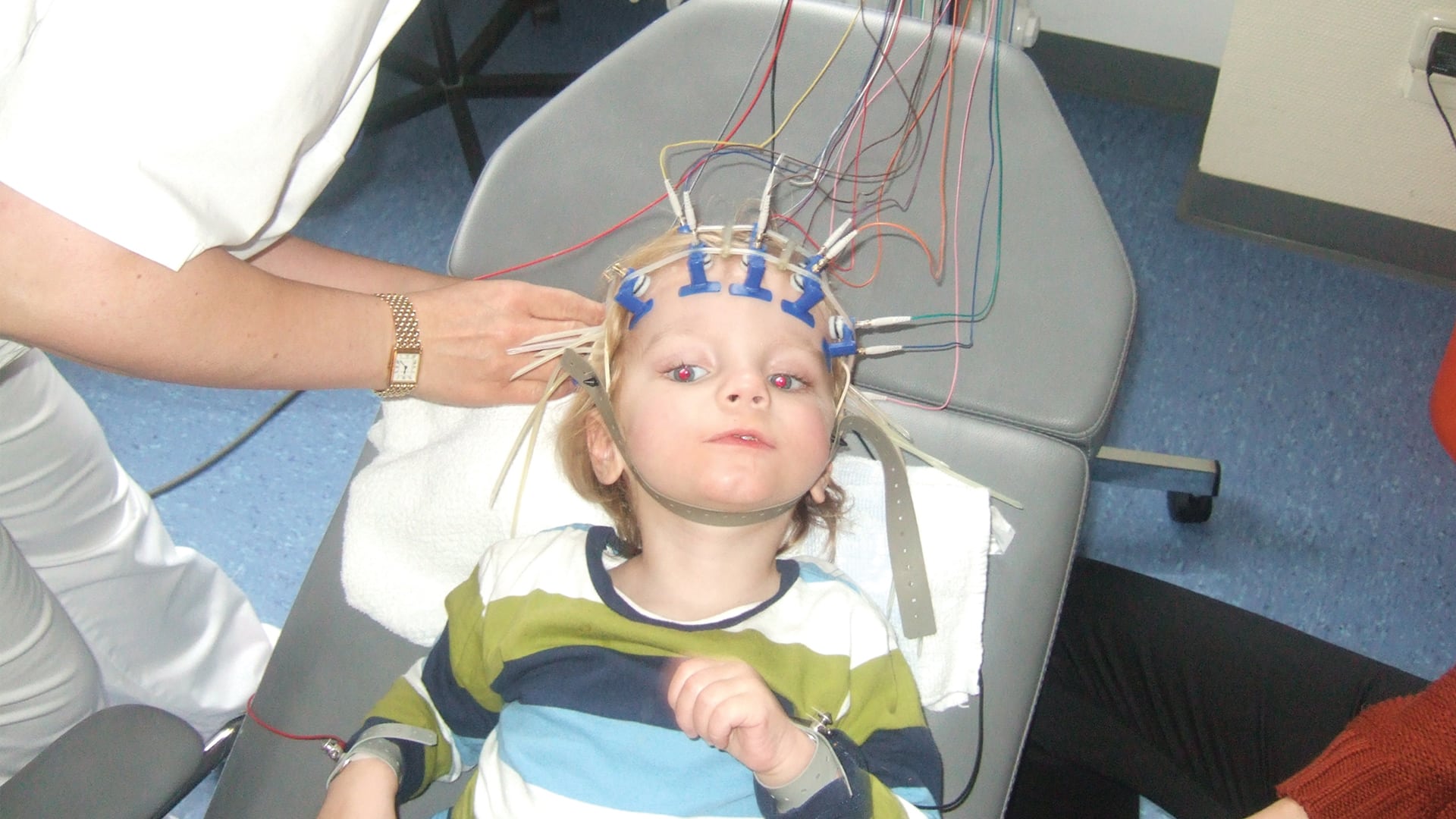
The process in the treatment of Cerebral Palsy begins with the patient undergoing a comprehensive neurological evaluation and continues with a multidisciplinary approach.
The table below compares the key administration methods used in Cerebral Palsy and the goals they focus on:
| Route of administration | Target Region | Advantage |
| Intrathecal | Direct Central Nervous System | It crosses the blood-brain barrier and reaches the cerebrospinal fluid directly. |
| Intravenous | Systemic Circulation | It is less invasive; It allows cells to “migrate” to the focus of inflammation. |
| Exosome Supported | Intercellular Communication | Since it does not contain cells, the risk of side effects is minimal, it carries repair signals. |
Treatment Process and Application Methods
The treatment process usually begins with the selection of the appropriate stem cell source (umbilical cord or bone marrow) and its reproduction in the laboratory.
It is vital to prepare the cells under sterile conditions in doses appropriate to the patient’s age and weight.
According to Assoc. Prof. Dr. Erdinç Özek, the success of stem cells is not only related to the delivery of the cell, but also to the full adaptation of the dose applied and the method chosen to the patient’s clinical type.
Intrathecal and Intravenous Administration Details
In intrathecal administration, cells are injected into the cerebrospinal fluid from the lumbar region (lumbar puncture). This allows the cells to reach the brain in the shortest way.
In the intravenous route, the cells are given intravenously; This method is often preferred to reduce systemic inflammation and support overall motor development.
Exosome Treatment and Its Combination with Stem Cells
Exosomes are microvesicles secreted by stem cells that carry reparative information.
In Cerebral Palsy, combining exosomes with stem cells can accelerate communication between nerve cells by strengthening the “repair signal” in the brain.
This combination creates a healthier ground where the brain can heal itself, especially by regulating the immune system.
Clinical Experience Note (Anonymous Case):
In a 5-year-old pediatric patient diagnosed with spastic diparesis, a decrease in spasticity scores was observed after two sessions of cord blood-derived mesenchymal stem cell therapy administered 6-month apart. It was noted that the patient’s step quality increased and his vocabulary expanded during assisted walking.
Effects of Stem Cells on Brain Injury
When stem cells reach damaged areas in the brain in Cerebral Palsy patients, they activate multiple biological mechanisms simultaneously.
These cells not only replace what is missing, but also work like a “biological factory” that maximizes the brain’s own repair potential.
According to Assoc. Prof. Dr. Erdinç Özek, the biggest effect of stem cells on the brain is that they prepare the ground for functional recovery by restructuring stationary neural networks.
Neurogenesis: New Nerve Cell Formation
Neurogenesis is the process by which the brain produces new neurons; Stem cells are the most powerful biological tools that trigger this process.
The injected stem cells stimulate the stem cell reserves in the damaged area and support the formation of new nerve cells, thanks to the growth factors (such as BDNF, NGF) they secrete.
This process helps to reconnect the broken nerve pathways in the brain and strengthen the centers where motor skills are controlled.
Anti-inflammatory and Protective Effect
In cases of Cerebral Palsy, a chronic inflammation occurs in the area after brain injury, which can also cause damage to healthy cells.
Stem cells suppress this inflammation by regulating the cytokine balance and prevent the death of existing healthy cells by providing “neuroprotection”.
This protective shield provides the peaceful environment needed for healing while stopping further destruction of brain tissue.
Blood-Brain Barrier and Transportation of Cells to the Damaged Area
The brain has a very tight firewall called the “blood-brain barrier” to protect itself from external factors.
Special transfer methods used in stem cell therapy (especially the intrathecal route) bypass this barrier, allowing cells to reach the target area directly.
Thanks to the cells’ ability to “homing”, circulating stem cells follow the damaged signals in the brain and migrate to the exact area that needs repair.
Which Stem Cells Are Used in the Treatment of Cerebral Palsy?
Success in the treatment of Cerebral Palsy is directly related to the selection of the right cell type according to the patient’s age and clinical condition.
The table below compares the characteristics of the most commonly preferred stem cell sources in the treatment of Cerebral Palsy:
| Cell Supply | Main Feature | Role in CP Treatment |
| Umbilical Cord (MKH) | They are very young and dynamic cells. | It provides high proliferation and repair capacity. |
| Bone Marrow (MSC) | It is taken from the patient’s own tissue. | There is no tissue compatibility problem, it is an immune regulator. |
| Exosomes | They are the restorative messages of the cells. | Combined with cell transplantation, it accelerates the effect. |
Umbilical Cord-Derived Mesenchymal Stem Cells
Mesenchymal stem cells (MSCs) derived from umbilical cord tissue have the highest dividing and regenerating power because they are biologically “zero years old”.
These cells have little to no risk of being rejected by the immune system and exhibit very strong anti-inflammatory properties.
According to Assoc. Prof. Dr. Erdinç Özek, umbilical cord-derived cells are the most efficient option for triggering neurological development, especially in cases of Cerebral Palsy in early childhood.
Bone Marrow-Derived Stem Cells
These cells, taken from the patient’s own pelvis (iliac wing), represent the body’s own repair power.
Bone marrow-derived cells increase blood flow (angiogenesis) in brain tissue, contributing to better nutrition and oxygenation of damaged areas.
This method is considered a very safe haven from an ethical and medical point of view as the cells are taken directly from the patient themselves.
Clinical Experience Note (Anonymous Case):
In an 8-year-old patient diagnosed with Ataxic Cerebral Palsy, umbilical cord-derived mesenchymal stem cells were administered. In the 4th month following the treatment, a decrease in the patient’s balance disorders and a significant increase in the duration of standing without support were recorded. According to the family’s feedback, it has been observed that the child is more successful in activities that require hand-eye coordination.
Expected Outcomes and Success Rates of Stem Cell Therapy
The success of stem cell therapy in patients with Cerebral Palsy is measured by defining the concept of “recovery” specifically for each child.
The clinical goals are to increase neuronal activity in the damaged area of the brain, allowing the child to become more independent in daily life.
According to Assoc. Prof. Dr. Erdinç Özek, the main factor affecting success is to support the brain’s neuroplasticity ability with physical therapy after cell transplantation.
Development in Motor Skills and Mobility
The most tangible effects of stem cells are usually observed in motor skills.
The cells contribute to increased range of motion by reducing excessive stiffness (spasticity) in the muscles.
Gross Motor Skills: Unsupported sitting, crawling, and increased walking distance with/without assistance.
Fine Motor Skills: Improved object grasping, pencil holding, and hand-eye coordination.
Effects on Speech and Mental Functions
Reparative signals that reach the cognitive centers of the brain can strengthen the child’s interaction with the outside world.
In many patients undergoing treatment, an expansion of vocabulary and a shortening of the time to understand commands are reported.
The regulation of the neurological networks of the cells increases the focus time and increases the efficiency of the child from special education.
Contribution to Quality of Life and Recovery Process
The healing process does not follow a linear graph; It takes time for cells to adapt to the brain and form new connections.
The table below summarizes the expected recovery periods after treatment and what to do during this process:
| Time Zone | Expected Development | Required Support |
| 0 – 3 Months | Softening of muscle tone, sleep and appetite regulation. | Intensive Physical Therapy |
| 3 – 9 Months | Increase in motor skills, speech attempts. | Occupational Therapy / Language Therapy |
| 12. Month and Beyond | Lasting advances in functional independence. | Periodic Expert Control |
Frequently Asked Questions
Does stem cell therapy cure Cerebral Palsy completely?
In Cerebral Palsy, the damage is constant; Stem cells do not completely erase this damage, but provide functional improvement by training healthy areas of the brain and repairing damage.
What is the best age for treatment?
Since brain development and neuroplasticity are very high at an early age, the efficiency of interventions is higher, especially between the ages of 2-10.
What are the risks after the application?
Mild pain or short-term fever may occur at the application site; Since the cells are prepared under sterile laboratory conditions, the risk of infection is minimized.
How many sessions of treatment are required?
This varies depending on the child’s level of damage and response to treatment; Repeated applications, usually at intervals of 6-12 months, reinforce success.
According to Assoc. Prof. Dr. Erdinç Özek, stem cell therapy is not a stand-alone solution; It is the most critical piece of a big puzzle of physical therapy, special education and family support.
Clinical Experience Note (Anonymous Case):
In a 6-year-old child with GMFCS level 4 (wheelchair dependent), trunk control was achieved after combined exosome and stem cell therapy. In the 1st year of treatment, it was observed that the patient could take short-distance steps with the help of a walker and his social adaptation was strengthened.
Resource and Expert Knowledge
This article has been prepared with reference to Assoc. Prof. Dr. Erdinç Özek’s pediatric neurological diseases and regenerative medicine protocols. Assoc. Prof. Dr. Erdinç Özek is a medical authority known for his scientific studies in the field of neuro-repair processes and childhood neurological rehabilitation.