

Alzheimer’s treatment with stem cells is a regenerative medical approach that aims to stop neuron loss in the brain over time, strengthen communication between damaged nerve cells, and protect cognitive functions by reducing inflammation.
This method is used to slow the rate of disease progression and improve the patient’s quality of life by stimulating the brain’s self-repair mechanisms at the cellular level.
What is Alzheimer’s Disease?
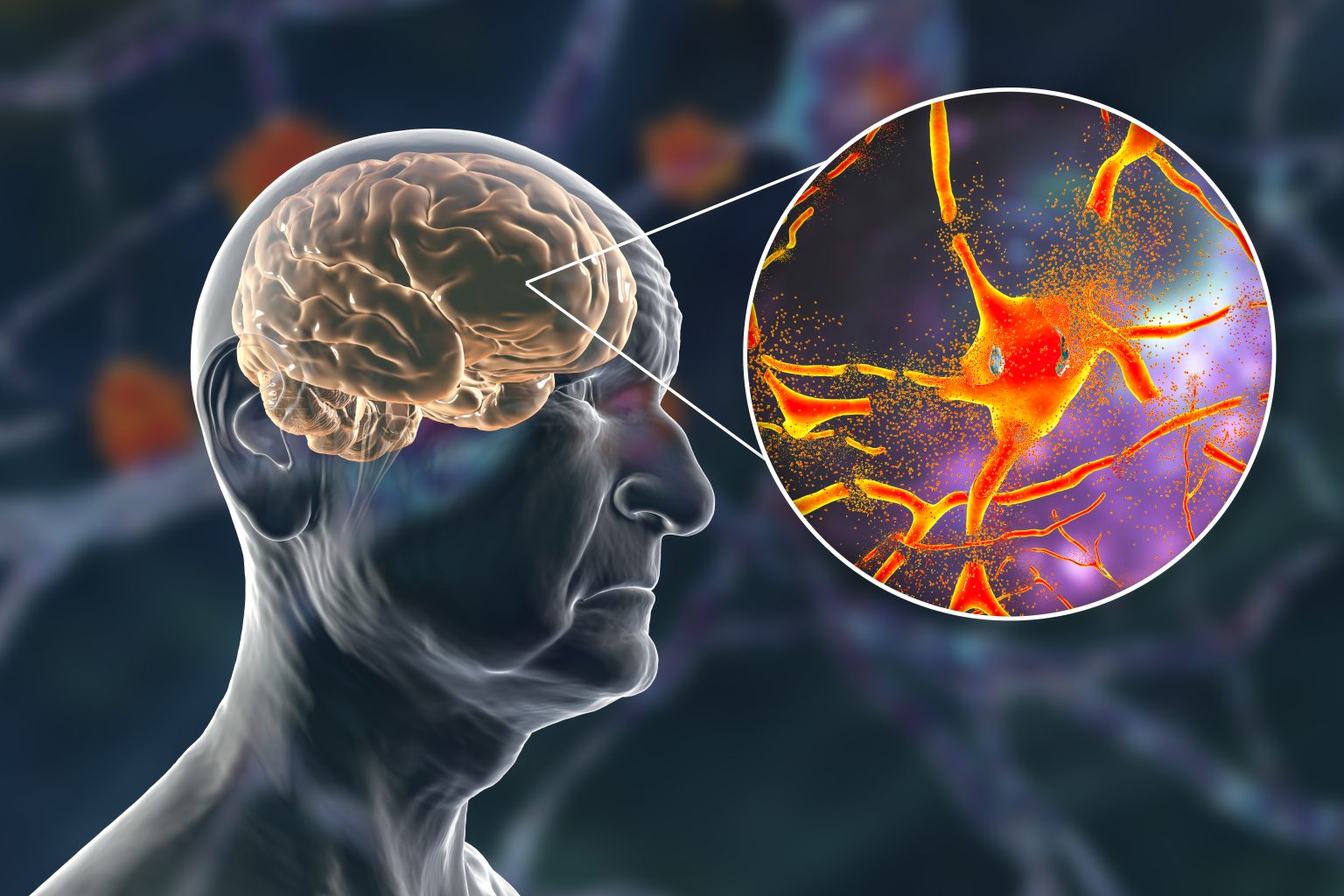
Alzheimer’s disease is a progressive neurodegenerative disorder characterized by the death of brain cells (neurons) over time, leading to memory loss, cognitive decline, and behavioral changes.
The basis of the disease is amyloid-beta plaques and tau proteins that accumulate in the brain; These accumulations break the bond between nerve cells, causing the functional tissue of the brain to shrink.
Mechanism of Action of Stem Cells in Alzheimer’s Disease
Stem cells act as powerful biological agents that can alter the brain’s microenvironment in Alzheimer’s patients.
These cells, injected into the body, release anti-inflammatory molecules that suppress inflammation in the brain and “neurotrophic factors” that ensure the survival of neurons.
This “paracrine effect” of cells can also increase the capacity of microglia, the brain’s defense cells, to clear harmful protein deposits.
Neuron Loss and Regeneration of Brain Cells
The real destruction in Alzheimer’s occurs with the irreversible loss of neurons.
Stem cell therapy focuses on preserving existing neural networks and re-establishing synaptic connections (communication between neurons) rather than directly replacing lost neurons.
This process supports the plastic structure of the brain, strengthening the biological basis required for the formation of new memories and the preservation of old information.
According to Assoc. Prof. Dr. Erdinç Özek: “The biggest promise of stem cells in Alzheimer’s management is their ability to extinguish ‘inflammation’ (neuroinflammation) in the brain. This treatment, which supports communication between nerve cells, can play a critical role in reducing the patient’s disconnection from the environment.”
Who is Stem Cell Therapy Applied to?
Stem cell therapy in Alzheimer’s is a personalized process that is decided by analyzing each patient’s neurological profile and the course of the disease.
This treatment is offered as an option not only for individuals experiencing forgetfulness but also for suitable candidates who want to slow down the damage to brain tissue at the cellular level.
Suitable Candidates and Criteria for Treatment
Before stem cell application, patients must undergo detailed neuropsychological tests and imaging methods (MRI/PET).
Generally, individuals with the following criteria are considered candidates for treatment:
Early Detection: Those with new memory problems or mild cognitive impairment.
General Health Status: Patients who do not have serious organ failure and are in good condition to tolerate the procedure.
Drug Response: Individuals whose regression persists despite current cholinesterase inhibitors.
In Which Stages of Alzheimer’s Are Stem Cells Preferred?
The effectiveness of treatment is directly related to how much healthy tissue the brain has.
Early and Mild-to-Intermediate Stage: In these stages, stem cells have the highest potential to protect neurons and stop inflammation.
Advanced Stage: In very advanced cases where brain tissue is lost to a large extent, the aim of treatment may be limited to increasing the comfort of care and stabilizing regression rather than recovery.
Case Study (Anonymized): In a 68-year-old male patient diagnosed with mild-to-moderate stage Alzheimer’s, a 2-point stabilization of the MMSE (Mini Mental State Test) score and an increase in the ability to perform daily activities (dressing, feeding) alone were observed after mesenchymal stem cell sessions administered at 6-month intervals. A decrease in the patient’s nocturnal restlessness (sundowning) was noted.
How is Stem Cell Therapy Applied in Alzheimer’s Disease?
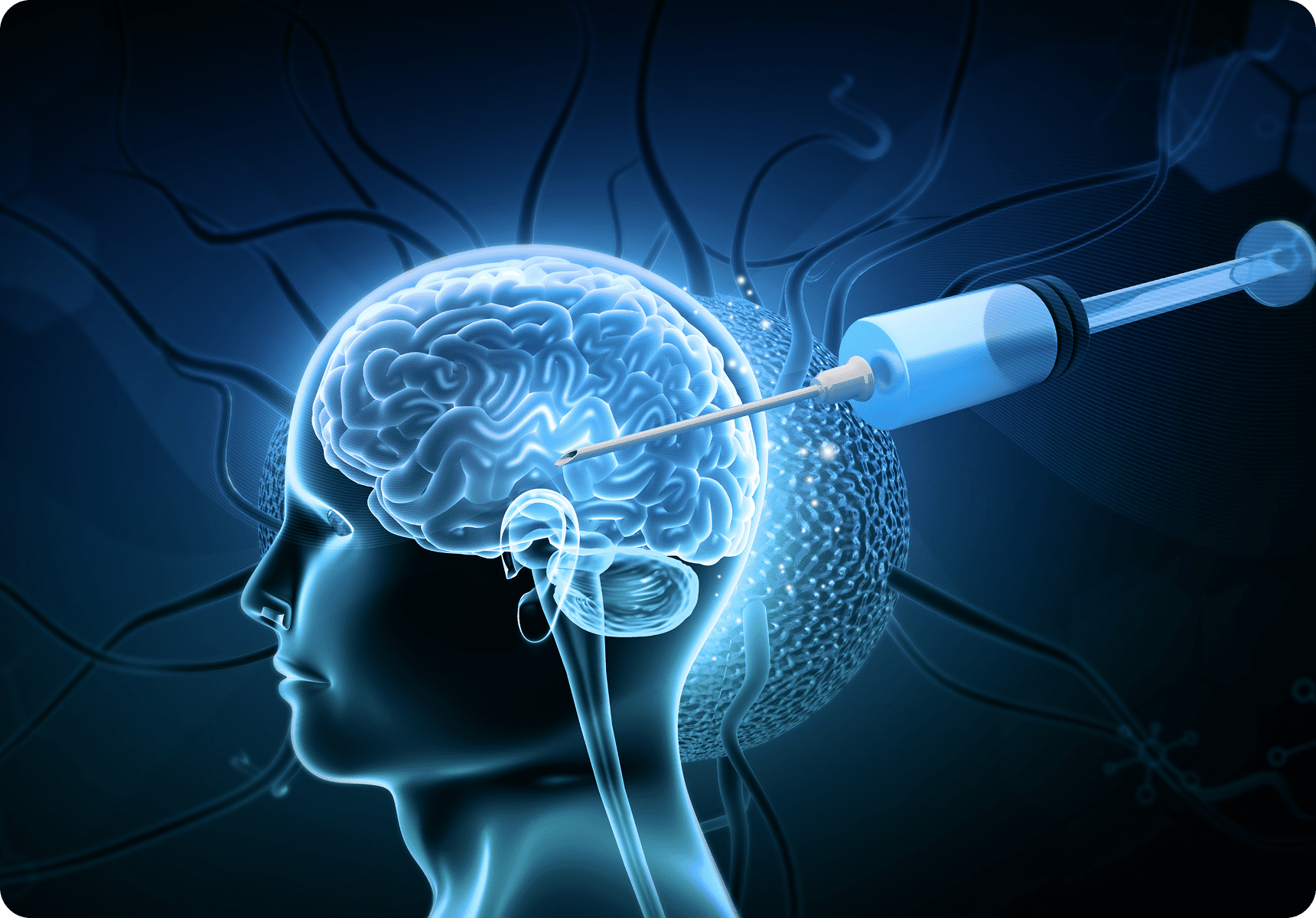
Stem cell application in Alzheimer’s disease encompasses advanced technical processes that aim to cross the blood-brain barrier and reach the target area directly, without surgical intervention.
The treatment is carried out in a sterile hospital environment and under the supervision of expert neurologists, without disturbing the patient’s comfort.
Application Methods and Clinical Process
Two basic methods are used in the transfer of cells to brain tissue, which are superficial in competitors but are key to clinical success:
Intravenous Administration: It is the delivery of cells to the systemic circulation; This method reduces general inflammation in the body while allowing some of the cells to filter into the brain.
Intranasal (Through the Nose) Application: It is a non-invasive method that allows stem cells to be delivered directly to the brain via the olfactory nerve (olfactory nerve). It offers high efficacy in neurodegenerative diseases, as it bypasses the blood-brain barrier.
Post-Treatment Cognitive Follow-up and Monitoring
After the cell transfer is completed, the changes in the patient’s cognitive performance are monitored with scientific scales.
First 3 Months: Changes in the patient’s daily living activities (sleep patterns, appetite, social communication) are observed together with the family.
6th Month Control: MMSE (Mini Mental State Examination) and MOCA tests are repeated to measure the stabilization of memory and attention scores.
Annual Follow-up: Control MRI scans are performed to evaluate changes in brain volume and the rate of plaque formation.
According to Assoc. Prof. Dr. Erdinç Özek: “Intranasal administration of stem cells in Alzheimer’s patients increases the bioavailability of the treatment by allowing the cells to reach the brain in the shortest way. This method provides great application comfort in our elderly patients as it does not carry a surgical risk.”
Advantages of Stem Cell Therapy in Alzheimer’s Disease and Expected Outcomes
Stem cells can positively affect the natural history of the disease by creating a “neuroprotective” shield to protect existing nerve cells in Alzheimer’s patients.
Effects on Cognitive Functions and Memory
Treatment aims to slow down the rate of short-term memory loss and strengthen the patient’s orientation (perception of time and space) with their environment.
The growth factors secreted by cells stimulate communication between nerve endings called synapses, helping to disperse the cognitive “fog” layer.
Improving Quality of Life and Course of the Disease
Alzheimer’s is a process that affects not only the patient but also caregivers.
One of the most important outcomes of stem cell therapy is that the patient maintains self-care skills for longer periods of time and reduces behavioral disorders such as aggression.
This allows the patient to live a better quality and peaceful life in a home environment.
Frequently Asked Questions
Does stem cell therapy completely end Alzheimer’s?
No, there is no method that completely eliminates Alzheimer’s today; However, stem cells are the most powerful regenerative option that significantly slows the progression of the disease and supports lost functions.
Is the treatment risky in elderly patients?
Since the application does not involve a surgical procedure (intravenous or intranasal), it does not require general anesthesia. Therefore, it has a very safe profile for elderly patients.
How many sessions should be applied?
Depending on the patient’s stage and response to the cells, repeated sessions, usually 6 months or 1 year apart, may be recommended to maintain the well-being achieved.
Case Analysis (Anonymized): A 72-year-old individual with moderate-stage Alzheimer’s disease underwent 2 sessions of umbilical cord-derived mesenchymal stem cell administration within 12 months. It was reported by family members that the patient, who had difficulty in recognizing his relatives before treatment and had severe confusion, increased his social interaction after treatment and started to perform simple domestic tasks again.
Resource and Expert Knowledge
This technical content has been prepared under the guidance of Assoc. Prof. Dr. Erdinç Özek, who has extensive clinical experience in cellular treatment protocols of neurodegenerative diseases. Assoc. Prof. Dr. Erdinç Özek is a medical authority that offers modern solutions to his patients with regenerative medicine practices focused on “knowledge gain”, evidence-based and ethical values in Alzheimer’s and dementia patients.