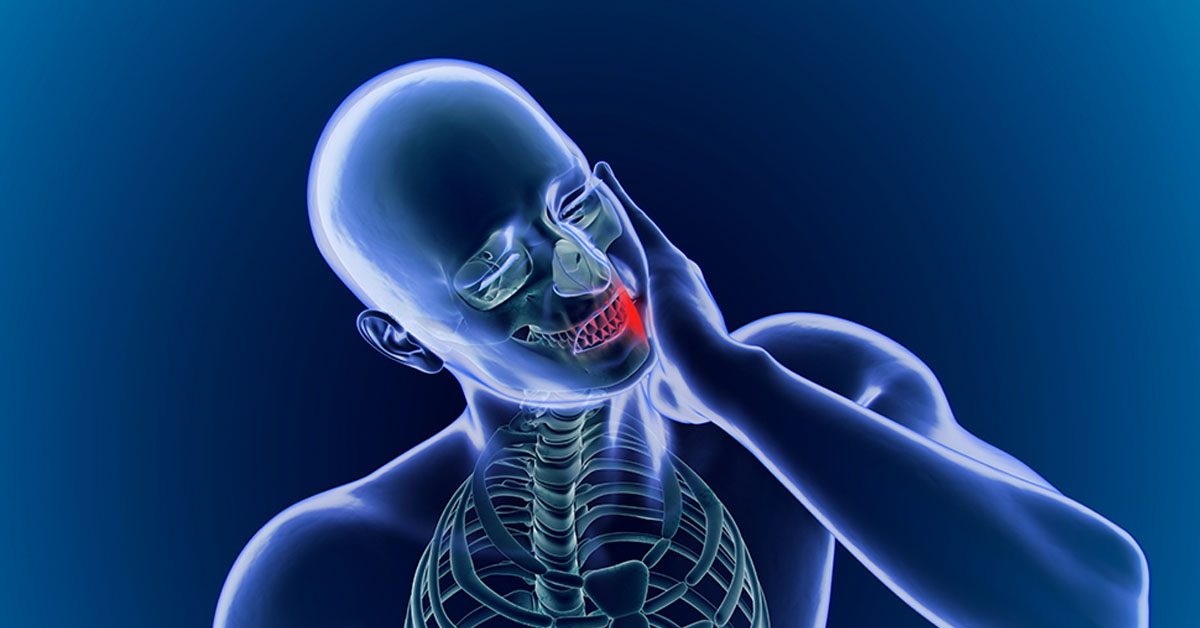


Algological interventional pain treatments; It is the process of controlling chronic or acute severe pain by directly intervening in the nerve pathways that transmit pain or the tissues that are the source of pain.
These methods include minimally invasive procedures that aim to relieve pain at its source without the need for surgery in cases where drug therapy does not yield results.
What are Algological Interventional Pain Treatments?
Algological interventional procedures are the non-surgical application area of pain science (Algology) but at a more advanced level than classical drug therapy.
The basic principle in these treatments; It is to prevent pain transmission by reaching the targeted tissue or nerve fiber with the help of a needle and catheter, accompanied by radiology (scopy) or ultrasonography.
Our goal is to improve the patient’s quality of life by breaking the pain cycle at the cellular or electrical level, without making extensive surgical incisions in the patient’s body.
According to Assoc. Prof. Dr. Erdinç Özek; “Interventional pain treatments are bridge methods that support the body’s natural healing mechanisms and relieve the patient of heavy surgical burdens. The critical thing here is to identify the source of the pain ‘pinpoint’ and intervene only in the relevant nerve line without damaging the surrounding tissues.”
Who Are Interventional Pain Treatments Applied to?
Interventional methods appeal to a wide group of patients whose pain has become chronic and do not benefit from standard approaches.
- Those who do not respond to drug treatment: Patients whose pain cannot be controlled despite using high-dose painkillers.
- Not Suitable for Surgery: Individuals who cannot receive general anesthesia due to their age or comorbidities or who are at high risk of surgery.
- Those Who Continue to Have Postoperative Pain: Patients who experience “failed back surgery syndrome” due to scar tissue or nerve sensitivity that develops despite successful surgery.
- Cancer Pain Sufferers: Patients experiencing severe neuropathic pain due to tumour suppression or treatment side effects.
- Those with Functional Loss: Individuals who cannot participate in physical therapy due to pain and whose mobility is severely restricted.
Clinical Experience Note (Anonymous Case): A 75-year-old patient who could not undergo herniated disc surgery due to advanced heart failure lost his ability to walk due to severe leg pain. After transforaminal epidural injection and radiofrequency treatment applied to the patient under scopy, 80% reduction in pain was achieved and the patient was able to do his daily work alone.
Methods Used in Interventional Pain Treatment
Interventional pain treatments are performed using specialized technical tools and drug components according to the source of the pain. The common feature of these methods is that they are applied under operating room conditions but without the need for general anesthesia, with local anesthesia.
Epidural and Perineural Injections
It is one of the most effective methods preferred especially in nerve root compressions due to waist and neck hernia. Anti-inflammatory drugs are given around the nerve root (perineural) or the outer space of the spinal cord membrane (epidural) to relieve edema and inflammation in the nerve.
- Transforaminal Injection: It is the application made with full accuracy to the point where the nerve exits the canal.
- Caudal Injection: It is the relaxation of the nerve network in a wider area by entering from the coccyx area.
Facet Joint Injections
It is used for pain due to calcification in the facet joints located at the back of the spine and providing mobility. Injections into these joints or into the nerves that carry the pain of the joint (medial branch) reduce the sharp pain that the patient feels when bending his waist backwards.
Radiofrequency Thermocoagulation (RF)
The radiofrequency method is the long-term blocking of pain transmission by applying controlled heat to the nerve fibers that carry the pain. The nerve is not completely cut; only the ability to send pain signals is modulated.
- Conventional RF: It stops conduction by creating coagulation with heat in the nerve tissue.
- Pulsed RF: It reduces pain sensitivity in nerve cells with the effect of electrical field without causing heat damage.
Nerve Blocks (Blockade Treatments)
It is the temporary or permanent deactivation of the nerve group feeding a certain area with local anesthetics. It is applied for both diagnostic (to confirm the source of pain) and therapeutic purposes. Nerve blocks are a strong alternative to surgery, especially in large joint pain such as knees, hips and shoulders.
Trigger Point Injections
It is the intervention made to hardened and sensitive foci in muscle tissue, popularly known as “kulunç”. With local anesthetic and sometimes dry needling techniques, these points are loosened and reflected pain is controlled.
| Method | Mechanism of Action | Duration of Effect | Application Time |
| Epidural Injection | Edema and inflammation reduction | 3 – 12 Months | 15 – 20 Minutes |
| Radiofrequency (RF) | Blocking nerve conduction | 6 – 24 Months | 30 – 45 Minutes |
| Facet Blocking | Elimination of intra-articular inflammation | 4 – 8 Months | 15 Minutes |
| Trigger Point | Resolving muscle spasm | Variable | 5 – 10 Minutes |
According to Assoc. Prof. Dr. Erdinç Özek; “Interventional pain treatments are not just an injection; These processes are micro-interventions. The secret of success is to intervene in the right patient at the right level and to reach the target tissue with millimeter accuracy under the scopy device. The chance of success of blinded injections is very low in modern algology.”
Advantages of Interventional Pain Treatments
Interventional pain treatments are modern medical approaches that manage to break the cycle of chronic pain without incurring surgical risks. Beyond the general information offered by competitors, the biggest advantage of these methods is that they are “targeted”.
- Minimally Invasive Structure: Instead of large surgical incisions, the procedure is performed with needle entry holes; This minimizes tissue damage and the risk of infection.
- Quick Recovery and Comfort: Patients can usually return home a few hours after the procedure and adapt to their routine lives within 24-48 hours.
- Reducing Medication Dependency: It eliminates the risk of liver and kidney damage due to long-term use of opioids (morphine derivatives) or high-dose painkillers.
- Diagnosis and Treatment Together: The degree to which the blockade relieves pain allows us to confirm the source of the pain with certainty (diagnostic blockade).
- Repeatability: It can be repeated safely when necessary (for example, if the radiofrequency effect wears off) without damaging the tissue.
Application Process and Preparation
Interventional procedures are performed in sterile operating room conditions but with a comfortable process for your safety.
- Fasting State: Solid food intake should be stopped at least 6-8 hours before the procedure.
- Medication Regulation: Patients using blood thinners (aspirin, etc.) may need to take a break from these medications a few days before the procedure under the supervision of a physician.
- Imaging Guidance: Scopy (C-arm X-ray) or Ultrasound is used during the procedure. This guarantees that the tip of the needle is on the millimetrically correct nerve line.
- Sedation: The patient is not completely anesthetized; However, with the method called “sedation”, a slight relaxation is provided and the procedure is made painless.
Things to Consider After the Procedure
After the application is finished, it is critical to follow certain rules for full recovery and maximum efficiency.
- Observation Process: After the procedure, you are allowed to rest in the hospital for 1-2 hours.
- Rest: Heavy activity should be avoided for the first 24 hours, and rest should be done by lying down, except for light indoor walks.
- Vehicle Handling: Driving should not be driven on the day of the procedure due to the risk of local anesthetics causing temporary weakness in the legs or arms.
- Bathroom: Bathing should not be done for the first 24 hours to prevent infection of the entry site at the injection site.
- Duration of Effect: It may take 3 to 10 days for the injection to show its full effect (dispersion of edema). Patience should be exercised and the exercise program given by the physician should be started after this period.
Assoc. Prof. Dr. Erdinç Özek: “The first 48 hours after the interventional procedure is the ‘golden time’. Spending this period at full rest in order for the body to absorb the drug we give in the tissue and to extinguish the fire around the nerve increases the success rate of the treatment by up to 30%.”
Frequently Asked Questions
Is interventional pain treatment permanent?
The answer to this question varies depending on the method applied. Methods like radiofrequency provide long-lasting comfort for up to 1-2 years, while injections are often used to relieve chronic pain flare-ups.
Will I feel a lot of pain during the procedure?
The application area is anesthetized with local anesthesia and the patient feels only slight pressure thanks to intravenous sedatives.
Are these treatments a substitute for surgery?
Surgery may be required for mechanical problems such as canal narrowing or advanced hernia; However, 90% of hernias can be managed with these interventional methods without the need for surgery.
Clinical Experience Note (Anonymous Case): In a 58-year-old patient who had been suffering from severe low back pain for 3 years due to fear of surgery, ‘Transforaminal Epidural Blockage’ was performed. On the 10th day after the procedure, the patient’s pain score dropped to 2 out of 10 and returned to his normal life and light exercises, saying “I wish I had it done earlier”.
Resource and Expert Knowledge
This article has been prepared in line with Assoc. Prof. Dr. Erdinç Özek’s extensive experience in algological interventional techniques and spinal pain surgery and current health guidelines for 2026. Assoc. Prof. Dr. Erdinç Özek is a neurosurgeon who is proficient in the use of minimally invasive technologies in chronic pain management.