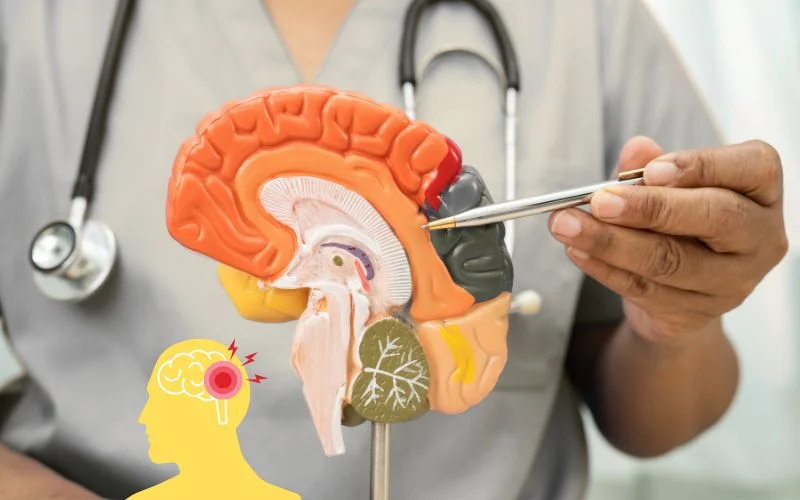
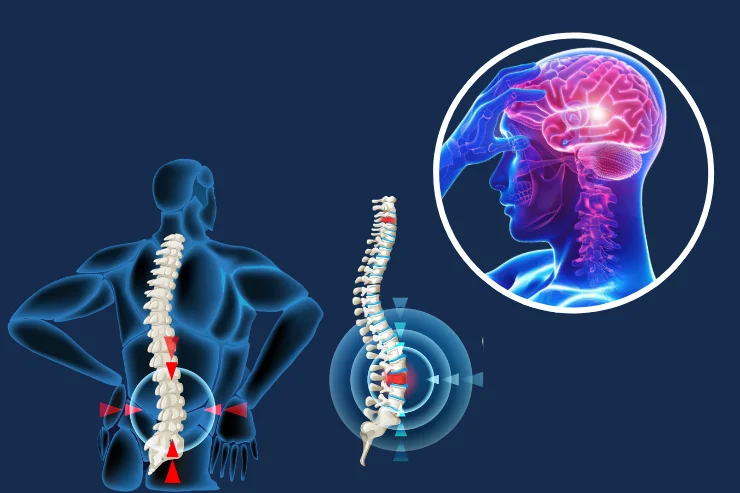


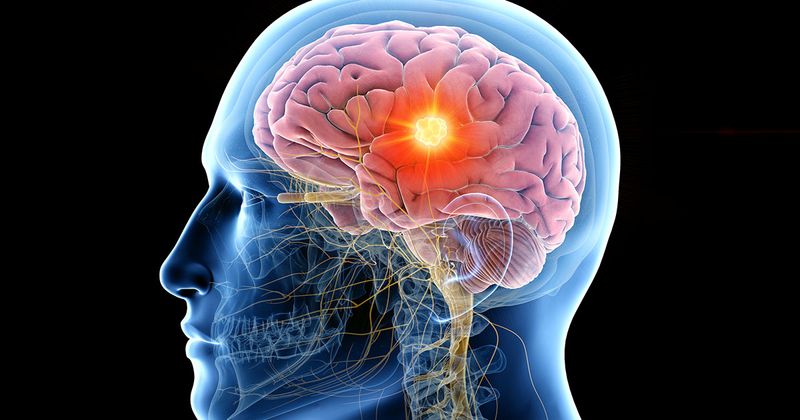
Childhood brain and spinal cord diseases (Pediatric Neurosurgery); It is a branch of medicine that deals with the diagnosis and surgical treatment of congenital (congenital) or acquired disorders affecting the central nervous system starting from the mother’s womb until the end of adolescence.
Since the anatomical and physiological structure of children is completely different from adults, the management of these diseases is carried out with a highly sensitive and multidisciplinary approach, taking into account the growth and development potential.
What are Childhood Brain and Spinal Cord Diseases?
These diseases, which fall under pediatric neurosurgery, represent the challenges faced by a developing nervous system.
This group is not just a surgical intervention; It covers a long-term follow-up process that aims to protect the child’s future motor, cognitive and social skills.
Unlike diseases seen in adults, childhood pathologies are usually caused by genetic predisposition, environmental factors in pregnancy or cell differentiation disorders in early developmental stages.
What are the Common Brain and Spinal Cord Diseases in Childhood?
Nervous system diseases in children vary widely in terms of symptoms and severity.
Hydrocephalus (Fluid Collection in the Brain)
It is the accumulation of cerebrospinal fluid (CSF) in the head due to disturbances in the production, circulation or absorption phases.
- Symptoms: Rapid growth of head circumference, fontanel tension, vomiting and restlessness in infants.
- Treatment: Fluid drainage is provided with shunt systems or modern endoscopic methods (Third Ventriculostomy).
Spina Bifida (Waist Opening)
It occurs as a result of incomplete closure of the spine and spinal cord in the womb.
- Clinical Picture: It can range from mild forms to severe forms where the nerves are out (Meningomyelocele).
- Importance: Early surgical closure is critical to prevent the risk of infection and minimize nerve damage.
Craniosynostosis (Skull Deformities)
It is the closure of the sutures between the skull bones in babies before normal.
- Conclusion: As the brain develops, the head structure takes an abnormal shape and in advanced cases, it can cause increased intracranial pressure.
- Intervention: Remodeling surgeries are performed for aesthetic and functional purposes.
Childhood Brain and Spinal Cord Tumors
It is the second most common type of cancer in children after leukemia.
- Layout: They are usually located in the cerebellum region (posterior pit).
- Method: Microsurgery aims to remove the tumor at the maximum rate without damaging the surrounding tissues.
Tethered Cord Syndrome (Tethered Cord)
It is a condition in which the spinal cord remains attached to the lower part of the spine and stretches as the child grows.
- Symptoms: Deformity of the feet, urinary incontinence and discoloration or hair growth in the waist area.
Chiari Malformation (Cerebellar Prolapse)
It is the sagging of the lower part of the cerebellum towards the spinal canal.
- Impact: It can disrupt the flow of cerebrospinal fluid, leading to severe headaches and nerve loss.
Childhood Epilepsy and Surgical Treatment
In seizures that cannot be controlled with medication, it is a method of removing the seizure focus of the brain or stimulating it with batteries (VNS).
According to Assoc. Prof. Dr. Erdinç Özek; “Our basic rule in pediatric neurosurgery; It is the fact that ‘a child is not a shrunken copy of the adult’. Their tissues are much more sensitive and their healing potential is much higher. For this reason, every millimeter intervention determines the quality of the child’s 70-80 years of life in front of him. Early diagnosis and minimally invasive (closed) methods are life-saving in this field.”
Childhood Diseases and Basic Symptoms Table
| Disease | Basic Symptom | Critical Period |
| Hydrocephalus | Rapid Head Growth | Infancy |
| Spina Bifida | Mass / Opening in the Back | Moment of Birth |
| Craniosynostosis | Head Deformity | First 1 Year |
| Tense Spinal Cord | Gait Disturbance / Urinary Incontinence | The Age of Growth |
Resource and Expert Knowledge
This content has been prepared based on Assoc. Prof. Dr. Erdinç Özek’s current clinical experience in pediatric neurosurgery, neuroendoscopy, and congenital spinal anomalies in 2026 and international pediatric surgery protocols. Assoc. Prof. Dr. Erdinç Özek is an authority specialized in neurosurgery practices focused on protecting the future of children.
Diagnostic Methods in Childhood Brain and Spinal Cord Diseases
The diagnosis process in children is based on both protecting the comfort of the child and reaching the most accurate data.
Unlike adults, keeping radiation exposure to a minimum is a key priority in children.
- Pregnancy Scans (Fetal MRI and Detailed USG): Anomalies such as spina bifida can be diagnosed while still in the womb.
- Transfontanel Ultrasonography: It allows monitoring brain tissue without radiation until the fontanelle closes in infants.
- Advanced MRI Technologies: Spectroscopy is used to determine the character of brain tumors or functional MRI is used to find seizure foci.
- Neuromonitoring: It monitors nerve functions instantly during surgery, ensuring that the surgeon stays within safe limits.
Treatment Modalities in Pediatric Neurosurgery
In pediatric neurosurgery, technology plays a much more delicate role as the surgeon’s “eye and hand.”
The goal is to achieve the highest treatment success with the smallest incision.
Endoscopic Methods
It is a “fully closed” method used especially in hydrocephalus and some brain tumors.
- Application: With the help of a thin camera, the fluid channels in the brain are entered.
- Advantage: It gives the body the chance to reopen its natural flow path (ETV method) without placing an external shunt (pipe system) in the body.
Microsurgery Applications
Microsurgery is indispensable for the preservation of children’s millimetric vascular and nerve structures.
- Technical Detail: Under the operating microscope, nerve tissues are magnified 20-40 times.
- Clinical Benefit: In this way, the risk of damage to healthy nerves during the removal of tumors or the release of the taut spinal cord is minimized.
Recovery Process After Brain and Spinal Cord Surgery in Children
Children’s metabolism and tissue regeneration rate are much higher than adults, which is an advantage that accelerates the healing process.
- Hospital Stay: Usually between 2 to 5 days, depending on the type of procedure.
- Psychological Support: In order for children to overcome their fear of hospitals, the process is supported by play therapies and parental participation.
- Follow-Up Appointments: Since brain and nerve development continues, regular post-surgical check-ups (every 3 months in the first year, then annually) are vital for the follow-up of developmental steps.
According to Assoc. Prof. Dr. Erdinç Özek; “Recovery in pediatric surgery is not just the closure of the wound. It is the child’s ability to run with his/her peers, to continue his/her school and to continue his/her cognitive development. The risk of ‘permanent damage’, which is the biggest fear of families, is now at much lower levels with today’s micro-technological opportunities and the right timing.”
Clinical Experience Note (Anonymous Case):
A baby diagnosed with congenital “Spina Bifida” and “Hydrocephalus” underwent microsurgical repair followed by endoscopic fluid evacuation (ETV) in the first 48 hours of life. The child, whose leg functions were preserved and got rid of shunt addiction thanks to early intervention, is now 4 years old and continues to kindergarten with similar developmental characteristics to his peers.
Frequently Asked Questions
Does brain surgery affect development in babies?
On the contrary, if surgery is not performed in the presence of a pressing tumor or fluid (hydrocephalus), brain development stops. A successful operation allows the brain to get on the path of normal development.
Is the deformity of the skull just an aesthetic problem?
Not always. In the case of “craniosynostosis”, the premature closure of the bones can put pressure on the brain, leading to mental retardation or vision loss; therefore, it is treated with a medical necessity.
Can the child do sports after surgery?
After recovery is complete (usually 3-6 months), most children can safely return to sports such as swimming, gymnastics and active social life under the supervision of a doctor.
Treatment Methods Comparison Table
| Method | Application Purpose | Hospital Stay | Key Advantage |
| Neuroendoscopy | Hydrocephalus / Cysts | 1-2 Days | Does not require external foreign body (shunt) |
| Microsurgery | Tumor / Spinal Cord Repair | 3-5 Days | Millimeter protection of nerves |
| Cranio-Remodelling | Head Deformity | 2-3 Days | Brain development area is opened, aesthetics are improved |
Resource and Expert Knowledge
This article has been prepared in light of Assoc. Prof. Dr. Erdinç Özek’s current clinical protocols and experiences in pediatric neurosurgery, endoscopic neurosurgery, and the treatment of congenital anomalies in 2026. Assoc. Prof. Dr. Erdinç Özek is an authority specialized in protecting the neurological health and improving the quality of life of pediatric patients.