

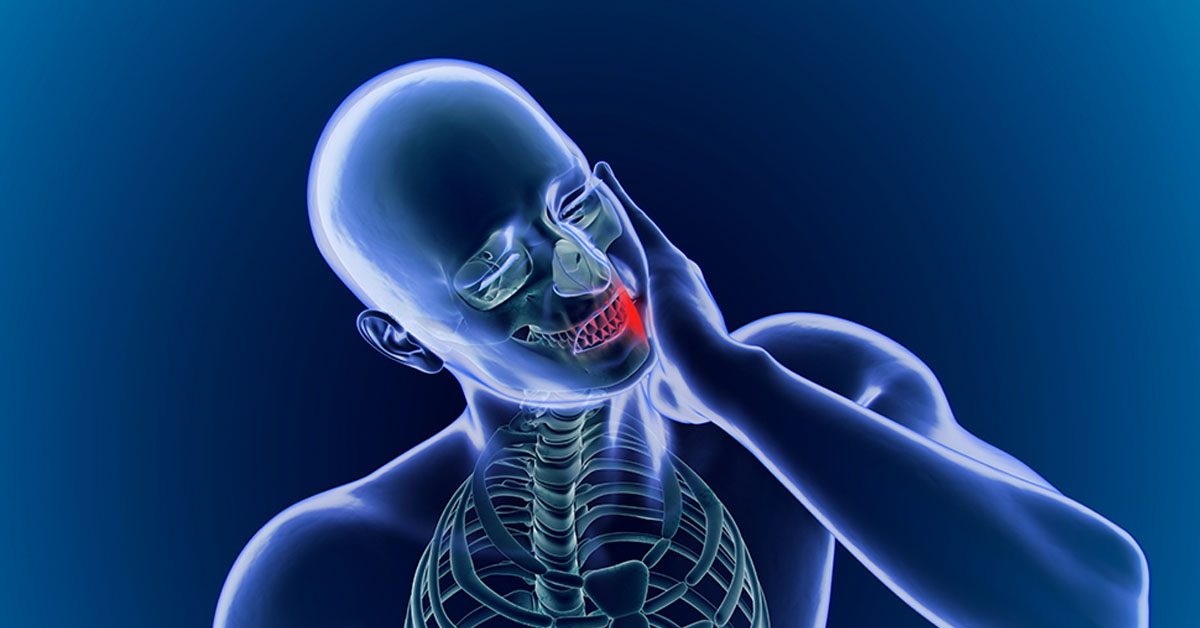
Trigeminal neuralgia; They are sudden, severe, unilateral pain attacks that occur as a result of the involvement of the trigeminal nerve (5th cranial nerve), which provides sensation to the face, and are felt in the form of sudden, severe, electric shock or lightning flashes on the face.
Described as “one of the most severe pains” in the medical world, this is a chronic neuropathic pain condition that can make daily routines (eating, talking, washing the face) impossible and requires a multidisciplinary treatment approach.
What is Trigeminal Neuralgia?
Trigeminal neuralgia is a disease characterized by impaired functioning of the trigeminal nerve, which carries touch, temperature and pain signals from the facial area to the brain.
Although it is more common in individuals over the age of 50 and women, it can occur in any age group.
The disease can be seen in two main forms: “typical” (sudden attacks such as electric shock) and “atypical” (more constant, burning and tingling pain).
What are the Symptoms of Trigeminal Neuralgia?
Trigeminal neuralgia pain is often described by patients as “the most shocking experience they have ever had in their lives”. Symptoms are as follows:
- Severe and Sudden Attacks: Pain that lasts for seconds but is as sharp as an electric shock.
- Triggering Factors: Innocent activities such as brushing teeth, applying make-up, a light gust of wind, or even talking initiate pain.
- Single-Sided Placement: In more than 95% of cases, the pain is felt only on the right or left side of the face; it can rarely be bilateral.
- Specific Regions: The pain is usually concentrated in the jawline, gums, cheeks, and sometimes around the eyes.
- Inter-Attack Periods: Attacks can last for days or weeks, followed by painless periods of “remission”; However, as the disease progresses, these silent periods tend to shorten.
What Causes Trigeminal Neuralgia?
The mechanism of formation of trigeminal neuralgia is related to damage to the protective sheath (myelin) on the nerve.
- Vascular Compression (Vascular Pressure): The most common cause; It is when a normal vessel at the base of the brain (usually the upper cerebellar artery) comes into contact with the trigeminal nerve and presses on it. The fact that the vessel hits the nerve with each heartbeat disrupts the electrical conduction in the nerve.
- Multiple Sclerosis (MS): MS disease, which damages myelin, the protective sheath of nerves, may be one of the main causes of trigeminal neuralgia, especially in younger patients.
- Tumor Suppression: In rare cases, a benign or malignant mass on the path of the nerve can put pressure on the nerve and initiate pain.
- Aging Process: With age, the vessels lose their flexibility and get closer to the nerves or microscopic changes in the brain stem structures are among the causes.
According to Assoc. Prof. Dr. Erdinç Özek; “Patients with trigeminal neuralgia usually come to us with a fatigue that has undergone dental treatment for years, had their healthy teeth extracted, but the pain has not gone away. The most critical point here is; It is to distinguish facial pain from a simple toothache. If the pain is in the form of an electric shock and there are trigger points, the problem is not in the teeth, but in that thin nerve-vessel contact deep in the brain. Correct diagnosis is the only way to prevent unnecessary tooth loss and years of pain.”
Clinical Experience Note (Anonymous Case): A 54-year-old female patient applied to our clinic because her complaints did not go away despite having 3 teeth extracted due to severe pain in the right cheek area. Thin-section brain MRI (CISS/FIESTA sequence) imaging of the patient revealed significant vascular compression of the trigeminal nerve. By referring the patient to a neurosurgeon instead of a dentist, it was confirmed that the source of the pain was neurological and the patient’s quality of life was normalized with appropriate surgical planning.
How is Trigeminal Neuralgia Diagnosed?
The most powerful tool in diagnosing trigeminal neuralgia is the patient’s history (anamnesis). The character, duration and triggering factors of the pain constitute 90% of the diagnosis.
- Neurological Examination: Loss of sensation in the face or control of reflexes and whether the pain is caused by another neurological cause are examined.
- Thin Section Brain MRI (CISS or FIESTA): Unlike standard MRI devices, high-resolution imaging techniques are used that show millimeter contact between the nerve and the vessel.
- Differential Diagnosis: It is ensured that the pain is not confused with tooth inflammation, sinusitis or temporomandibular joint (jaw joint) disorders.
Trigeminal Neuralgia Treatment Methods
The treatment process usually progresses with a step system from the least invasive (non-invasive) to surgery.
Medication
The first option is not surgery. Standard painkillers (paracetamol, ibuprofen, etc.) are ineffective in this pain.
- Antiepileptics: Special drugs (Carbamazepine, Oxcarbazepine) are used that suppress excessive electrical activity in the nerve.
- Muscle Relaxants: Sometimes it can be included in treatment in addition to antiepileptics.
- Limitations: Medications may lose their effectiveness over time or may have to be discontinued due to side effects such as dizziness and elevated liver enzymes.
Microvascular Decompression (MVD)
It is the most effective surgical method for the cause of the disease (cause-focused) and is considered the “gold standard”.
- Application: A small window opens behind the ear. Under the microscope, the vessel pressing on the trigeminal nerve is found.
- Method: The vein is removed from the nerve and contact is permanently cut off by placing a “Teflon pad” in between.
- Advantage: It is the method with the highest chance of permanently ending the pain without loss of sensation in the face.
Radiofrequency Rhizotomy
It is a closed procedure, ideal for patients who are not suitable for surgery or are elderly.
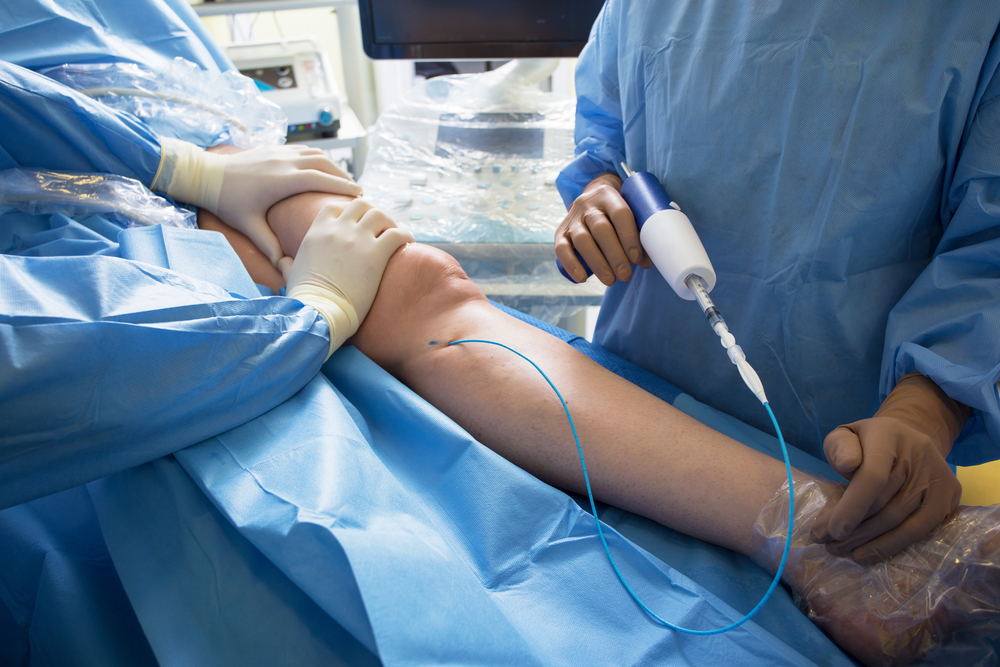
- Application: With a needle inserted from the cheek area, heat is applied to the pain-carrying fibers of the nerve and these fibers are disabled.
- Advantage: It does not require narcosis, the procedure time is short.
Gamma Knife Radiosurgery
It is radiation therapy that is performed without any incisions or needle insertion.
- Application: The nerve root is intervened with focused rays.
- Conclusion: The pain does not go away immediately; It usually takes effect within 1 to 4 months.
Recovery Process After Trigeminal Neuralgia Surgery
Thanks to modern surgical techniques, patients can quickly return to their social lives.
- Hospital Stay: After MVD surgery, patients are usually discharged within 2-3 days. Same day discharge is possible in closed methods (Radiofrequency).
- Pain Control: The majority of patients after MVD realize that the old “lightning flash” pain is over as soon as they wake up from surgery.
- Drug Discontinuation: Neuropathic drugs used after surgery are not discontinued suddenly, but gradually reduced under the control of the surgeon.
- Normal Life: It takes 1 week for the stitches to heal; Patients can return to work at full capacity within 2 weeks.
According to Assoc. Prof. Dr. Erdinç Özek; “Trigeminal neuralgia is not only a physical pain, but also a psychological burden that disconnects the patient from social life. MVD surgery aims to liberate the nerve (decompression) rather than destroy it. Thanks to this, it is possible to relieve pain without causing numbness in the face. In the decision for surgery, the age of the patient as well as the fact that the pain cannot be controlled with medication is a determining criterion.”
| Feature | Medication | Microvascular Decompression (MVD) | Radiofrequency Rhizotomy |
| Success Rate | Medium (Decreases over time) | Too High (Permanent solution) | High |
| Incision / Intervention | None | Small incision behind the ear | Needle insertion in the cheek |
| Hospital Duration | None | 2 – 3 Days | Discharge on the same day |
| Risk of Sensory Loss | None | Very Low | Yes (Mild drowsiness) |
Frequently Asked Questions
Does trigeminal neuralgia kill?
The disease is not directly life-threatening, but it can completely destroy the quality of life due to severe pain and lead to severe depression.
Does this disease go away on its own over time?
Unfortunately, spontaneous healing is rare; Usually, pain attacks become more frequent and more severe over time.
Does the pain recur after surgery?
In MVD surgery, the recurrence rate is below 10% as long as the Teflon pad remains in place. This is the lowest recurrence rate among all treatment methods.
Resource and Expert Knowledge
This technical information has been prepared in the light of Assoc. Prof. Dr. Erdinç Özek’s current case studies for 2026 on cranial pairs surgery and microvascular interventions. Assoc. Prof. Dr. Erdinç Özek is a neurosurgeon specializing in functional preservation of cranial nerves and pain surgery.