

Vascular surgery; It is a medical discipline that deals with the medical and surgical treatment of diseases in all arteries, veins and lymphatic tracts of the body, except for the vessels in the heart and brain.
This specialty aims to open blockages that prevent blood flow, repair enlarged vessels (aneurysms) and prevent tissue damage due to circulatory disorders.
What is Vascular Surgery?
Vascular surgery, if we compare the vascular network in the body to a highway system, is an “engineering”-oriented surgical branch that repairs blockages, cracks or enlargements in this system.
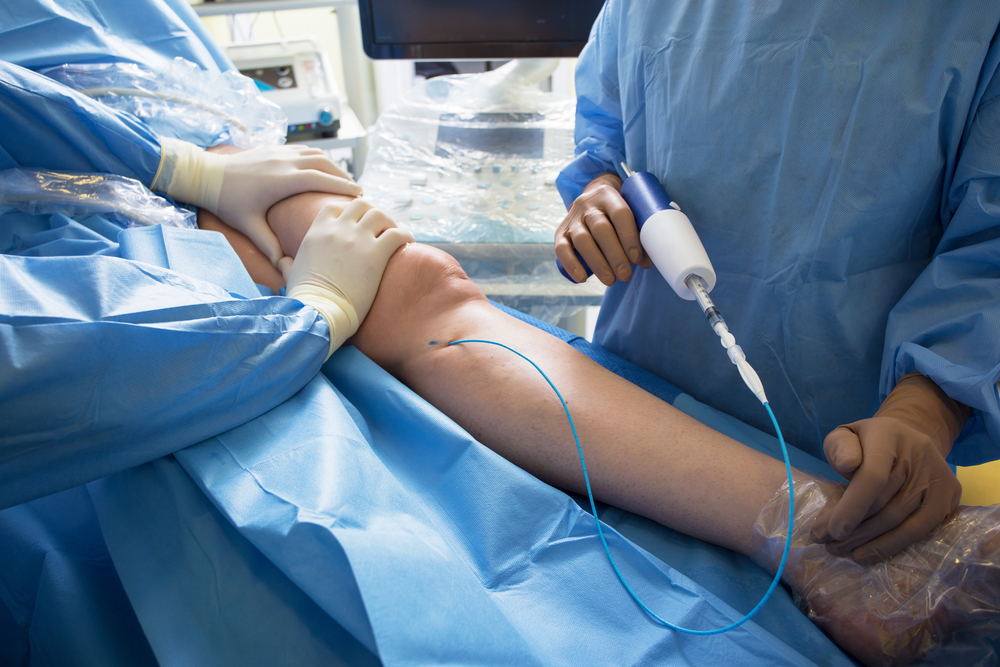
In addition to “open surgery” methods traditionally performed with large incisions, it also includes closed operations called “endovascular” today, which are performed by entering only through a needle hole.
Vascular surgeons protect the patient’s circulatory health with medication, lifestyle changes and advanced surgical interventions, starting from the diagnosis of vascular diseases.
Which Diseases Does Vascular Surgery Treat?
Since the vascular system surrounds the whole body, the area of interest of vascular surgery is quite wide. The primary focus is on ensuring the continuity of blood flow to vital organs.
Aneurysms (Aortic and Peripheral)
An aneurysm is a condition in which the vessel wall weakens and balloons. The most dangerous is the “Aortic Aneurysm” seen in the aorta, the largest artery in the body.
When this ballooning reaches a certain size, it carries the risk of bursting (rupture) and this situation is life-threatening.
Vascular surgery eliminates the risk by strengthening these enlarged areas with stent grafts or artificial vessels.
Carotid Artery Disease (Carotid Artery Occlusion)
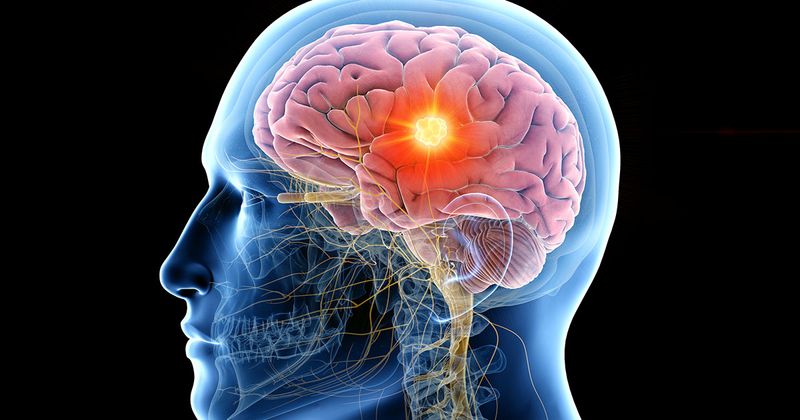
It is the narrowing of the carotid arteries (carotid artery), which are the main vessels that carry blood to the brain, due to calcification or clots.
This disease is one of the leading causes of preventable paralysis (stroke) in the world.
With surgical intervention, the plaque in this vessel is removed (endarterectomy) and the blood flow to the brain is normalized.
Peripheral Artery Disease (Leg Vein Occlusion)
It occurs as a result of narrowing of the arteries, especially leading to the legs.
While patients initially complain of pain while walking (showcase disease), in advanced stages, pain at rest and non-healing foot sores may develop.
Venous Diseases (Varicose Veins and Deep Vein Thrombosis)
These diseases, which affect the veins as opposed to the arteries, are characterized by impaired blood return to the heart.
Varicose veins are an indicator of venous insufficiency that causes swelling, heaviness and pain in the leg, rather than an aesthetic problem.
Deep vein thrombosis (DVT) is the formation of a clot in a vein and requires urgent intervention due to the risk of this clot throwing into the lungs (embolism).
Diabetic Foot and Chronic Wounds
Non-healing wounds occur on the feet as a result of deterioration of vascular structure and nerve damage (neuropathy) due to diabetes.
Vascular surgery tries to prevent limb loss (amputation) by providing the blood flow necessary for these wounds to heal by bypass or angiographic methods.
According to Assoc. Prof. Dr. Erdinç Özek; “Success in the treatment of vascular diseases is based on ‘early diagnosis and multidisciplinary follow-up’. Especially in insidious cases such as carotid artery occlusion or aortic aneurysm, it can be risky to wait for symptoms to appear. Regular Doppler ultrasound checks for individuals at risk of atherosclerosis, even if they have no complaints, can reduce the risk of a possible stroke or internal bleeding by up to 90%.”
Clinical Experience Note (Anonymous Case): A 65-year-old patient who had been smoking for a long time presented with severe pain in his legs that started while walking and went away with rest. In the examinations, 90% occlusion was detected in the leg veins. The patient was taken to balloon and stent application by endovascular (closed) method. The patient, whose leg pulses returned immediately after the procedure, was discharged the next day on foot and without pain.
Vascular Surgery Diagnosis and Diagnostic Methods
Modern technology in the diagnosis of vascular diseases allows the surgeon to see the internal structure of the vessel and the blood flow rate with millimeter precision.
- Doppler Ultrasonography: It is a radiation-free first-line test used to detect vascular occlusions and varicose veins.
- Computed Tomography Angiography (CTA): It determines the exact location of aneurysms and narrowings by mapping the vessels in three dimensions.
- Magnetic Resonance Angiography (MRA): It is a detailed imaging method used especially in the examination of the carotid artery and brain vessels.
- Digital Subtraction Angiography (DSA): It is the “gold standard” method performed by entering the vein with a catheter, which both diagnoses and provides simultaneous treatment (stent/balloon) if necessary.
Vascular Surgery Treatment Methods
Treatment approach; It follows a “gradual” path according to the patient’s age, the degree of vascular occlusion and accompanying diseases.
Medication and Lifestyle Changes
Not every vascular patient goes to surgery. In initial blockages, the vascular structure is preserved with blood thinners, cholesterol regulators and blood pressure medications.
Smoking cessation, Mediterranean diet and regular walking allow the body to develop its own “natural bypass” vessels (collateral circulation).
Endovascular (Closed) Surgical Methods
Today, the majority of vascular surgeries are performed through thin wires and catheters entered through the patient’s groin.
- Balloon Angioplasty and Stent: The narrowed vessel area is expanded with a balloon and a metal cage (stent) is placed to prevent it from closing again.
- EVAR and TEVAR: It is the repair of large aortic aneurysms in the abdominal or chest cavity with fabric-covered stents sent intravenously.
- Atherectomy: It is the process of cleaning the hardened lime layer in the vein with special shaving devices.
Open Vascular Surgery Procedures
Open surgery is still the most reliable option for complete occlusions or complex aneurysms where the closed method is not suitable.
- Bypass Surgeries: It is the establishment of a “bridge” with the patient’s own vein or an artificial vein before and after the blocked vein area.
- Endarterectomy: It is the direct surgical peeling and cleaning of the plaque layer inside, especially in the carotid artery (carotid) by opening the vessel wall.
Recovery Process After Vascular Surgery Surgery
Recovery time varies depending on whether the method applied is “closed” or “open”.
- Endovascular (Closed) Procedures: Usually, the patient is discharged within 24 hours. It takes 2-3 days for the insertion site in the groin to heal and the patient returns to his normal life within 1 week.
- Open Surgical Procedures: The hospital stay is between 3 and 7 days. Full recovery and return to work life may take 4-6 weeks, depending on the size of the surgery.
- Tracking Protocol: In the first year after surgery, Doppler ultrasound checks at regular intervals (3, 6 and 12 months) are vital to check whether the vein remains open.
According to Assoc. Prof. Dr. Erdinç Özek; “‘Success’ in vascular surgery does not begin on the operating table, but on the day the patient changes his lifestyle. No matter how perfectly we open a blocked vessel with the closed method, if the patient continues to smoke, the risk of that vessel being blocked again is more than 50%. Our treatment is a perfect harmony of surgical technique and patient discipline.”
| Feature | Endovascular (Closed) | Open Surgery |
| Incision Size | Pinhole / 2 mm | 10 – 20 cm |
| Anesthesia | Local or Sedation | General Anesthesia |
| Hospital Stay | 1 Day | 3 – 7 Days |
| Risk of Infection | Very Low | Low / Medium |
| Recovery Time | 2 – 5 Days | 4 – 6 Weeks |
Frequently Asked Questions
Do varicose veins recur after varicose vein surgery?
In modern laser and radio frequency methods, the risk of recurrence is very low because the main vein causing the problem is closed. However, if there is a genetic predisposition, new varicose veins may occur in different veins.
Does carotid artery surgery increase the risk of stroke?
Although the surgery itself carries a small risk of 1-2%, the risk of a severe carotid artery occlusion without intervention is much higher. Surgery is a preventive measure.
Is vascular occlusion only seen in the elderly?
Due to genetic factors, diabetes and especially smoking, we now encounter serious vascular occlusions in the 30s and 40s.
Resource and Expert Knowledge
This content has been prepared based on Assoc. Prof. Dr. Erdinç Özek’s current clinical achievements in the field of vascular and endovascular surgery in 2026 and the guidelines of international vascular surgery associations (SVS, ESVS). Assoc. Prof. Dr. Erdinç Özek is a neurosurgeon authority with competence in minimally invasive management and surgical repair of arterial and venous system diseases.