


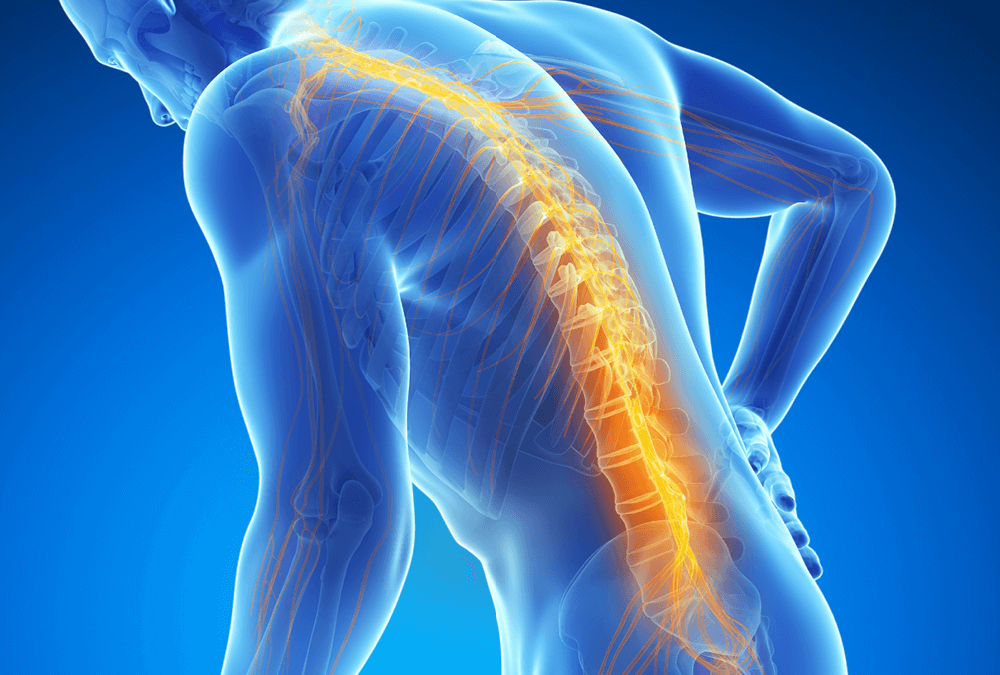
Spinal cord injuries are one of the most challenging medical conditions, interrupting the nervous system’s communication with the outside world and profoundly affecting the patient’s quality of life.
In this field, where traditional medicine is limited, stem cell therapies have initiated a scientific transformation in repairing nerve tissue and restoring functions.
According to Assoc. Prof. Dr. Erdinç Özek, stem cells in spinal cord treatment are not just patches, but intelligent mechanisms that trigger the biological healing process in the damaged area.
What is a Spinal Cord Injury? The Biological Dimension of Nerve Damage
The spinal cord is a huge neural highway that transmits commands from the brain to the body and carries sensory data to the brain.
Rupture or crushing on this highway as a result of a trauma leads to the cessation of transmission and loss of functions under the relevant area.
Inflammation and scar tissue called “glial scar” that occurs in the area after damage creates a physical barrier that prevents nerves from healing naturally.
Spinal Cord Paralysis (Paraplegia and Tetraplegia) Symptoms
Depending on which level of the spine the injury is at, the extent of the paralysis varies.
Paraplegia: It is the loss of sensation/movement in the legs and lower body as a result of damage to the chest or waist level.
Tetraplegia: It is the involvement of the entire arms, trunk and legs due to damage at the neck level.
In both cases, secondary symptoms such as bowel control, shortness of breath and muscle spasms may accompany the clinical picture.
Self-Renewal Capacity and Restrictions of Nerve Cells
The cells of the central nervous system are the cells with the lowest regeneration capacity compared to other tissues of the body.
When a nerve cell (neuron) dies or its axon is severed, it is very difficult for the body to repair it by its own means under current biological conditions.
Stem cell therapy comes into play at this point and aims to initiate this “repair” command at the cell level, which the body cannot perform naturally.
How Does Stem Cell Therapy Work in Spinal Cord Injury?
The role of stem cells in spinal cord injury is multifaceted; They can perform direct cell exchange as well as heal the surrounding tissue.
The table below summarizes the key mechanisms of action of stem cells in damaged tissue:
| Mechanism | How It Works | Expected Result |
| Cell Exchange | Replacing damaged neurons | Formation of new nervous tissue |
| Traffic Factors | Growth factor secretion | Decreased cell death (apoptosis) |
| Myelin Repair | Refurbishment of the conductive sheath | Increased transmission speed |
| Anti-Inflammatory | Suppressing inflammation | Shrinkage of scar tissue |
Neuroprotection: Preserving Existing Nerve Cells
The first and perhaps most critical task of stem cells is to keep nerve cells alive that have not yet died.
The injected cells can stop the spread of collateral damage by cleaning the toxic environment in the damaged area with the chemical signals they secrete.
According to Assoc. Prof. Dr. Erdinç Özek, interventions performed in the early post-injury period directly increase the success of rehabilitation in the future by preserving the existing nerve tissue.
Neuroplasticity and the Process of Synaptic Regeneration
Neuroplasticity is the ability of the nervous system to rewire itself by forming new connections.
Stem cells can encourage the establishment of new “bridges” (synapses) between neurons, allowing the message to travel around the cut area.
Axonal Growth and Nerve Conduction Re-establishment
Re-extension of damaged nerve extensions (axons) is imperative for mobility.
Stem cells help nerve conduction reach lower levels by building a biological scaffold through which axons can pass.
Types of Stem Cells Used in Spinal Cord Injuries
The source of the cell used in the treatment plays a decisive role in the safety of the treatment and the targeted result.
Mesenchymal Stem Cells (MSCs) and Anti-inflammatory Effect
These cells, often derived from the umbilical cord or bone marrow, are known for their potent immune-modulating effects.
They prepare a suitable ground for healing by reducing inflammation in the spinal cord and softening scar tissue.
Neural Stem Cells and Neural Tissue Repair
It is the cell group with the highest potential to turn directly into nerve cells.
It is especially researched for the repair of severed nerve fibers and the replacement of missing neurons.
Induced Pluripotent Stem Cells (iPS)
These cells, genetically reprogrammed in a laboratory setting, have the ability to develop into any cell in the body.
It is seen as one of the most promising technologies of the future with its personalized treatment opportunities.
According to Assoc. Prof. Dr. Erdinç Özek, cell combinations customized according to the patient’s damage type instead of focusing on a single cell type maximize the success rate.
Clinical Experience Note (Anonymous Case):
A 28-year-old patient who suffered an incomplete injury at the T10 level after a traffic accident received 3 sessions of stem cell application in addition to his standard rehabilitation. At 6 months after treatment, 2 segments of downward progression in the patient’s sensory level and controllable contractions in the leg muscles were observed.
Stem Cell Application Methods and Clinical Process
Delivering stem cells to the targeted area in spinal cord injury is the most strategic stage that determines the effectiveness of the treatment.
Different transfer routes are preferred according to the patient’s clinical picture for the most efficient penetration of cells into the nerve tissue.
Intrathecal Injection: Treatment Through Spinal Fluid
In this method, stem cells are injected directly into the cerebrospinal fluid (CSF) through a procedure performed in the lumbar region.
Moving with the flow of fluid, the cells reach the damaged area and interact with the nervous tissue.
According to Assoc. Prof. Dr. Erdinç Özek, intrathecal administration is a very effective option in neurological repair as it eliminates the necessity to cross the blood-brain barrier.
Intravenous and Intralesional Applications
In intravenous practice, the cells are given intravenously; Thanks to the ability of cells to “homing” (heading to the nest), it is expected to reach the damaged area.
Intra-lesional applications are usually performed during the surgical operation by placing stem cells directly into the focus of damage in the spinal cord.
Pre-Treatment Preparation and Patient Selection Criteria
Stem cell therapy is not a standard procedure for every spinal cord patient; Candidates go through a rigorous screening process.
The time elapsed since the injury (acute, subacute or chronic period) is examined.
The patient’s general health status and whether there is an additional systemic disease are checked.
The anatomical integrity of the damage is evaluated with MRI and other imaging techniques.
Success Rates of Stem Cell Therapy in Spinal Cord Paralysis
“Success” in stem cell therapy is not just about walking completely; it encompasses life-changing advancements, such as reduced sensory loss or restoration of bladder control.
Clinical Studies and Current Approaches in the World
Phase studies around the world show that stem cells give more significant results, especially in incomplete injuries.
Scientific data prove that cells can increase nerve conduction speed and slow down muscle atrophy (wasting).
Contribution of Treatment to the Healing Process and Quality of Life
A small finger movement or achieving sitting balance is a gigantic comfort boost for a paralyzed patient.
Stem cells help reduce chronic pain and improve independent mobility, preparing the patient for social life.
According to Assoc. Prof. Dr. Erdinç Özek, the expectation from the treatment should be kept realistic; It should not be forgotten that the adaptation time of each cell in the tissue varies from person to person.
Physical Therapy and Stem Cells: The Importance of Combined Rehabilitation
Stem cell therapy alone is not a miracle solution, but the most powerful fuel for a comprehensive rehabilitation program.
As cells repair nerve pathways, physical therapy “trains” muscles and nerves by allowing signals to pass through these pathways.
| Method | Role | Advantage |
| Stem Cell | Repair and Refurbishment | Establishes new neural connections |
| Physical Therapy | Functional Training | Improves existing muscle strength and coordination |
| Robotics Lab. | Mechanical Support | It reminds the brain of the walking pattern again |
Frequently Asked Questions
When should stem cell therapy be done?
In the first months after injury (subacute period), the repair potential of cells is higher, but improvement can also be observed in chronic cases.
Are there any side effects of the treatment?
Temporary pain or mild fever may occur at the application site; Since the cells are taken from the patient’s own tissue or compatible sources, the risk of a serious side effect is low.
How many sessions are required?
This varies depending on the severity of the damage; Generally, cures applied at regular intervals give more permanent results.
Can a patient who cannot walk definitely walk?
No treatment in medicine can be 100% guaranteed; However, stem cells are the most promising method of improving existing functions.
Clinical Experience Note (Anonymous Case):
In a patient with neck damage and limited use of his arms, it was reported that fine motor skills such as eating on his own and holding a pencil returned at 8 months after combined stem cells and intensive physical therapy.
Source and Expert Knowledge:
This article has been prepared with reference to Assoc. Prof. Dr. Erdinç Özek’s clinical data and current neurological treatment protocols. Assoc. Prof. Dr. Erdinç Özek is a medical professional known for his international work, specializing in neuro-regenerative medicine and stem cell applications.