

ALS treatment with stem cells is an advanced regenerative medicine approach that aims to slow down the muscle wasting process that progresses with damage to motor neurons at the cellular level, to clear the toxic environment surrounding nerve cells and to protect the patient’s quality of life.
This treatment aims to minimize damage to the central nervous system and reduce the rate of functional loss by using the body’s own repair potential.
What is ALS (Amyotrophic Lateral Sclerosis)?
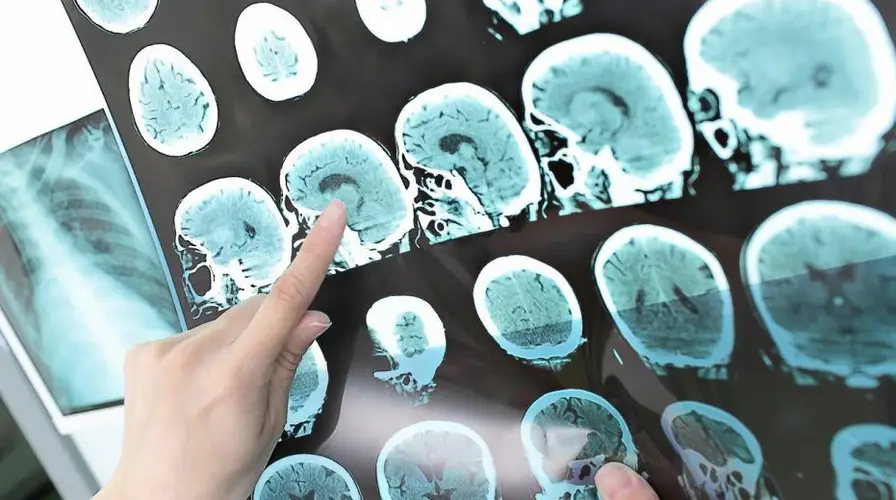
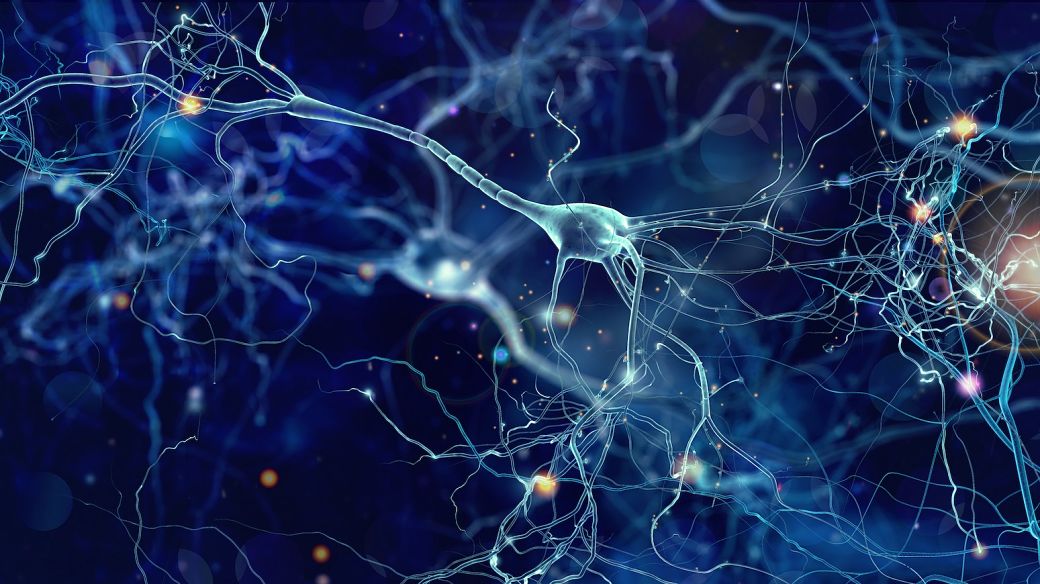
ALS is a progressive neurodegenerative disease characterized by muscle weakness, wasting and loss of mobility due to the loss of motor neurons in the brain and spinal cord.
While traditional treatments focus on symptom management, stem cell therapy offers a biological strategy to halt the neuronal destruction at the root of the disease.
As of 2026, current protocols aim to preserve vital functions for longer periods in ALS patients by leveraging the neuroprotective effects of stem cells.
Mechanism of Action of Stem Cells in ALS Disease
Stem cells have the ability to homing directly to damaged motor neuron areas after being introduced into the body in ALS patients.
These cells not only transform into new nerve cells, but also secrete growth factors into surrounding tissues through a method we call the “paracrine effect”.
These factors alter the harmful microenvironment that reduces inflammation (neuroinflammation) in the brain and spinal cord, causing motor neurons to die.
Protection and Support of Motor Neurons
In ALS, the actual destruction is accelerated by the fact that glia cells, which are supporters of motor neurons, become toxic.
By regulating these glia cells, stem cell administration creates a safe and nurturing environment for motor neurons.
It also supports communication at the nerve-muscle junction, helping muscles receive signals from nerves more efficiently and slowing the rate of atrophy (muscle wasting).
According to Assoc. Prof. Dr. Erdinç Özek: “We are racing against time in the treatment of ALS. Stem cells work like a fire brigade that extinguishes the fire surrounding motor neurons and provides them with the nutritional support they need. Our goal is to maximize the patient’s independent movement time by controlling the progression of the disease.”
Case Analysis (Anonymized): A 52-year-old ALS patient who started to lose his ability to walk within 12 months after diagnosis underwent a combination of intrathecal and intravenous stem cell therapy. In EMG and clinical evaluations performed at the 6th month of treatment, it was noted that the rate of muscle wasting stabilized and an improvement was observed in the patient’s respiratory capacity.
Types of Stem Cells Used in ALS Treatment
The selection of cells used in ALS protocols is determined by their capacity to protect motor neurons and reach the central nervous system.
Unlike competitors, we focus not only on cell transfer, but on how these cells transform the microenvironment in the spinal cord.
Mesenchymal Stem Cells
Mesenchymal stem cells (MSC) are the most preferred cell group in ALS patients and have the highest safety profile.
These cells gather around motor neurons, creating an anti-inflammatory effect and calming the cytokine storm that kills nerve cells.
They also delay cell death by secreting growth factors such as “Glial Cell-Derived Neurotrophic Factor” (GDNF), which directly feeds motor neurons.
Exosome Treatment and ALS
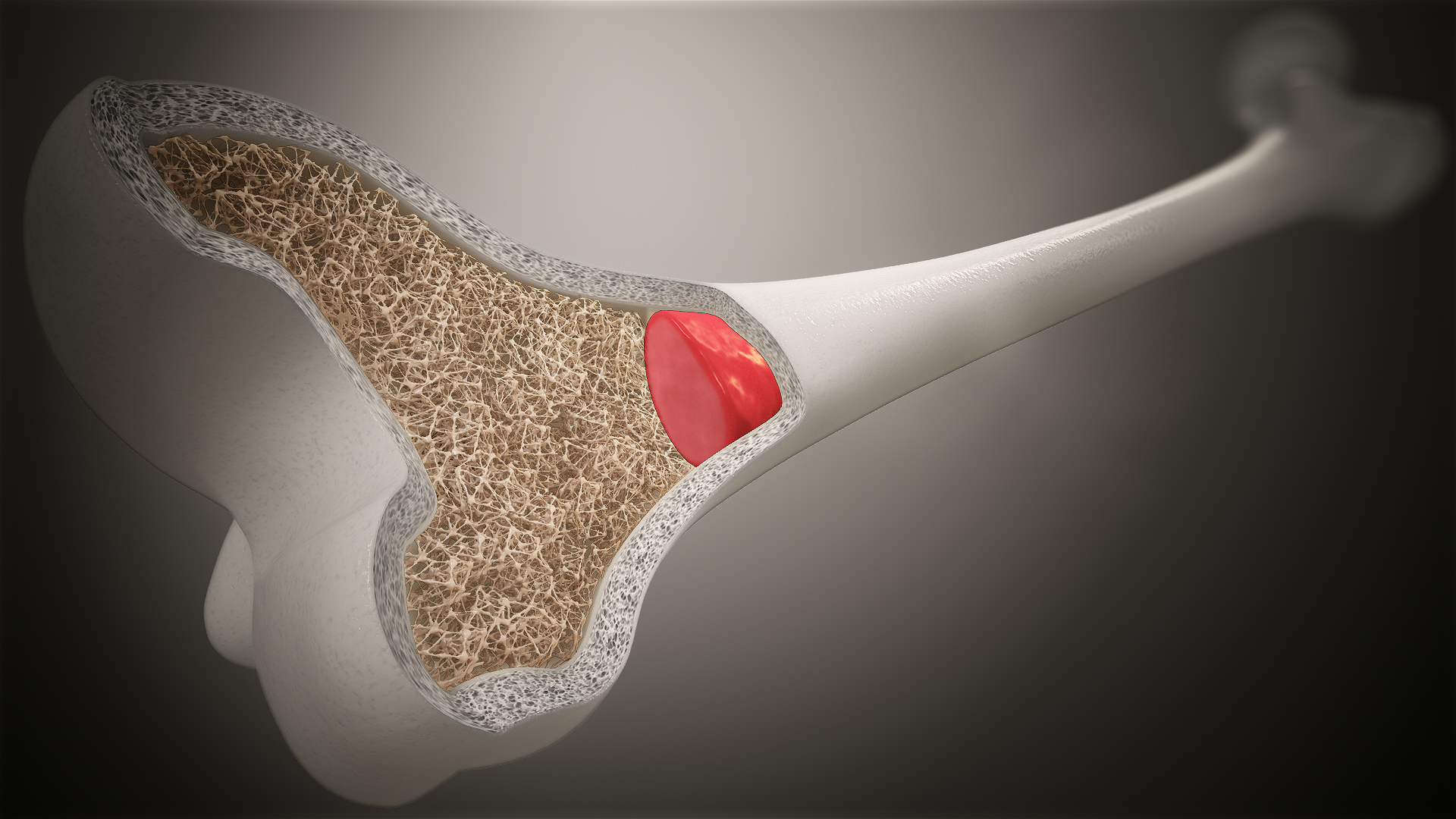
Exosomes are nano-vesicles secreted by stem cells and transmit healing messages carried by living cells to the nervous system.
The advantage of exosomes in ALS patients is that they cross the blood-brain barrier much more easily, directly strengthening communication (synaptic connections) between motor neurons.
Exosomes carry genetic material that helps clear harmful proteins (such as TDP-43) that accumulate inside motor neurons and cause ALS to progress.
Who is Stem Cell Therapy for ALS Applied to?
Since ALS is a complex disease, the success of stem cell therapy is directly dependent on the patient’s general health status and neurological reserve.
Suitable Candidates for Treatment and Evaluation Criteria
Before treatment, the patient’s respiratory capacity, swallowing functions and motor strength are meticulously analyzed.
The eligible candidate criteria are:
Neurological Stability: Conditions where the disease does not progress very rapidly and the body has a cellular background to respond to treatment.
Respiratory Capacity: Patients with FVC (Forced Vital Capacity) values above a certain level have a higher potential for success for treatment.
Medication Adherence: Patients using standard treatments like riluzole or Edaravone but seeking additional support.
At Which Stage of ALS Disease Is Treatment Applied?
“Timing” is everything in stem cell therapy; Because the lost motor neuron cannot be reversed.
Early Stage: Treatment that starts from the moment of diagnosis creates a protective shield while more than 80% of motor neurons are still healthy.
Intermediate Stage: In this stage, when limitation of movement begins, the aim is to delay the patient’s connection to the ventilator as much as possible and to maintain muscle strength.
Advanced Stage: In this stage, expectations are kept more limited; The priority is to increase the patient’s comfort and prolong life in a quality way.
According to Assoc. Prof. Dr. Erdinç Özek: “In ALS, every day means the loss of a motor neuron. Our strategy is to bring the fire under control while it is still in its early stages. Stem cells are the most effective biological tool we have in slowing the progression of the disease by opening the feeding pathways of motor neurons.”
Case Analysis (Anonymized): A 45-year-old ALS patient who presented with difficulty in swallowing and significant muscle wasting in his right arm underwent 2 sessions of intensified mesenchymal stem cell application 6 months apart. At the 1st year follow-up after treatment, it was observed that the decline in the patient’s ALS-FRS (ALS Functional Rating Scale) score stopped and the respiratory capacity remained stable.
How is Stem Cell Therapy Applied?
Stem cell administration in ALS is carried out within the framework of special clinical protocols to ensure that the cells penetrate the central nervous system in the most effective way.
Treatment is personalized according to the patient’s level of motor neuron damage and is performed by specialist neurologists in sterile hospital conditions.
Application Methods and Clinical Protocols
The most critical point in the treatment of ALS, focused on “knowledge gain”, is the simultaneous delivery of cells directly to the spinal fluid and systemic circulation.
Intrathecal Application (Spinal Canal): It is the injection of stem cells directly into the cerebrospinal fluid (CSF); This method allows cells to reach motor neurons without getting caught in the blood-brain barrier.
Intravenous Administration: It is used to reduce general inflammation in the body and regulate the immune system.
Intranasal Administration: It is a non-invasive support method preferred in some protocols for delivering exosomes to the brain via the olfactory nerve.
Treatment Process and Follow-up
The post-cell transfer process does not end with the injection alone; The neurological course of the patient is closely monitored.
First 72 Hours: Stabilization of the patient is observed after the application.
1. and 3. Month Controls: The rate of progression of the disease is measured by performing muscle strength tests (Manual Muscle Testing) and ALS-FRS scoring.
Respiratory Monitoring: Changes in FVC (Forced Vital Capacity) values are periodically recorded with spirometer devices.
Advantages of Stem Cell Therapy and Expected Results
The main advantage of stem cell therapy in ALS patients is that it slows down neuronal destruction, extending the patient’s “independent life span”.
Effects on Muscle Strength and Quality of Life
In cases where treatment is successful, patients usually report the following positive changes:
Slowing down of loss of coordination in swallowing and speech muscles.
Longer-term independence in activities of daily living (eating on one’s own, dressing).
Reduction in weakness and diffuse muscle twitches (fasciculation) with support of motor neurons.
Clinical Studies and Success Rates
Current clinical data around the world prove that the decline in ALS-FRS scores slows down in a significant proportion of patients receiving stem cell support.
Frequently Asked Questions
Can stem cells cure ALS completely?
In today’s medical technology, there is no treatment that completely eliminates ALS; However, stem cells are the method that slows down the progression of the disease in the most significant way by protecting motor neurons.
Is the application risky?
Intrathecal (waist) application is very safe when performed by experienced specialists. Since mesenchymal cells are taken from autologous (the person himself) or compatible sources, the risk of tissue rejection is minimal.
How many times should the treatment be repeated?
Booster doses, usually at intervals of 6 months or 1 year, depending on the rate of progression of the disease, may be recommended to maintain the stable status achieved.
Case Analysis (Anonymized): A 58-year-old male patient whose respiratory capacity decreased to 75% after diagnosis underwent combination therapy. At the end of the 12-month follow-up, it was observed that the decline in respiratory capacity stopped and the patient’s transition to a wheelchair was delayed by 14 months more than the targeted time.
Resource and Expert Knowledge
All data in this article have been approved by Assoc. Prof. Dr. Erdinç Özek, who has deep clinical experience in ALS and regenerative medicine protocols. Assoc. Prof. Dr. Erdinç Özek is a medical professional known for his work focused on improving the cellular microenvironment and enhancing patient quality of life in neurodegenerative diseases.