

Autism treatment with stem cells is a regenerative medicine method applied to repair neurological damage in the brain, reduce inflammation and strengthen communication between nerve cells in individuals with autism spectrum disorder (ASD).
In addition to standard training models, this practice aims to reduce the severity of symptoms by triggering the body’s own repair mechanisms at the cellular level.
Autism Spectrum Disorder (ASD) and the Logic of Cellular Therapy
Autism Spectrum Disorder is a neurodevelopmental condition that occurs in the early developmental stages of the brain, limiting social interaction and communication skills.
The logic of cellular therapy is based on increasing brain plasticity by directly targeting the biological anomalies underlying ASD (immune dysregulation and oxygenation problems).
While traditional education methods support learning, stem cell therapy aims to improve the biological basis on which learning takes place.
The Relationship Between Neuro-Inflammation and Synaptic Dysfunction in Autism
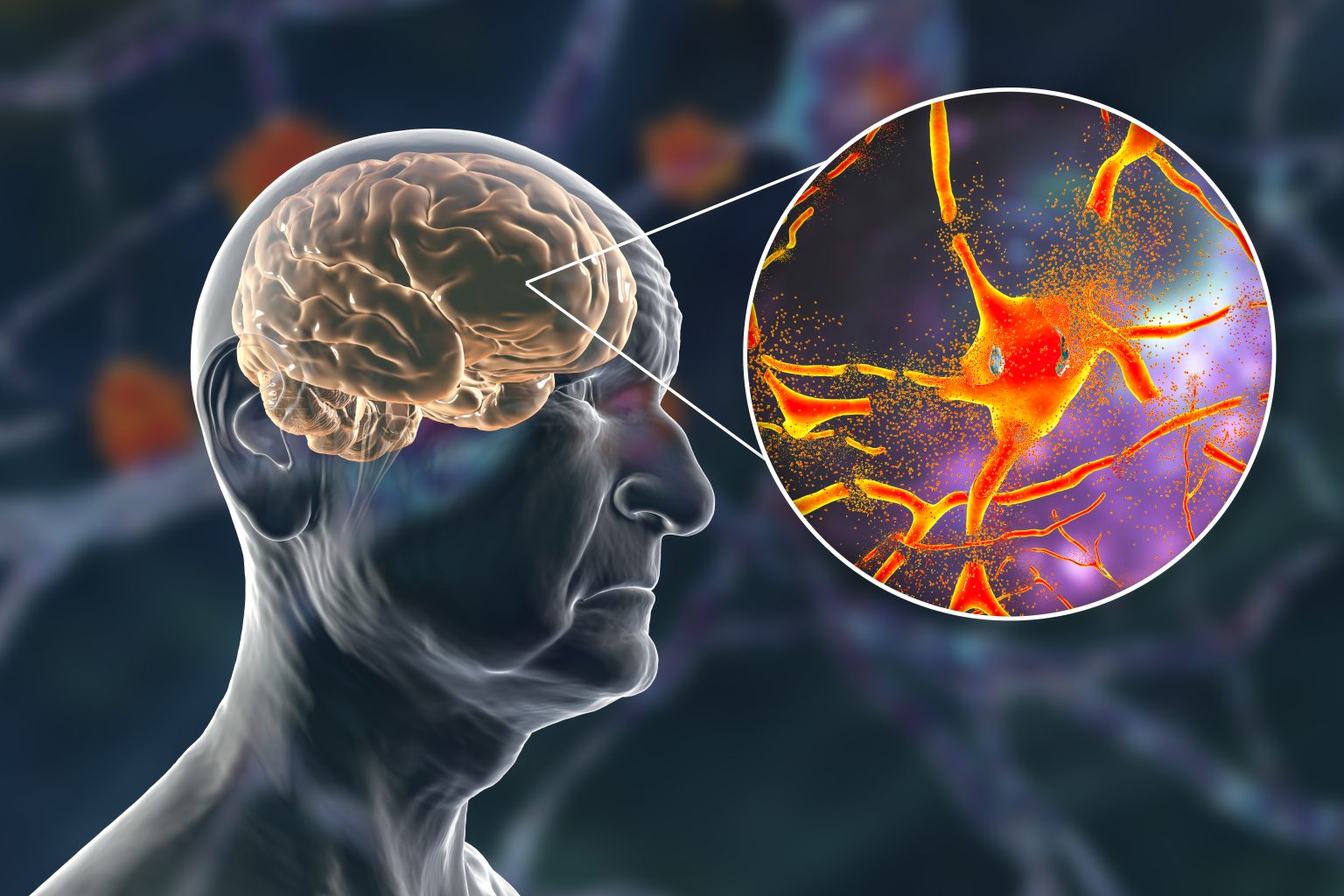
Scientific research shows that immune cells called “microglia” are overactive in the brain tissue of autistic individuals, creating a constant state of chronic inflammation (neuro-inflammation).
This inflammatory condition prevents the nerve conduction points called synapses from functioning properly, leading to breaks in cognitive processes.
By suppressing this inflammatory process, stem cells help to eliminate “short circuits” between nerve cells.
How Do Stem Cells Affect the Brain Structure of Autistic Individuals?
Once the stem cells are transferred to the body, they increase blood flow (perfusion) to the brain, allowing the tissues to receive more oxygen.
In this process, they activate dormant nerve cells and release growth factors that promote the formation of new synaptic connections.
Thus, data exchange between different regions of the brain becomes more fluid, paving the way for improved social and motor responses.
Types of Stem Cells Used in Autism Treatment and Their Mechanisms
The type of cell to be used in the treatment process is determined by the specialist physician according to the patient’s immunological structure and expected cellular response.
The following table compares the key cell sources used in autism cases and their key characteristics:
Mesenchymal Stem Cells (MSCs): Immunoregulatory Effect
Mesenchymal stem cells are the most widely used group in the treatment of autism and defined as “smart cells”.
The most distinctive feature of these cells is their ability to regulate the immune system (immunomodulation); that is, they calm the aggressive immune response in the brain and stop tissue destruction.
Differences Between Allogeneic and Autologous Stem Cell Sources
Autologous stem cells are derived from the patient’s own body (usually fat or bone marrow), while allogeneic cells originate from the umbilical cord (Wharton’s jelly), usually from healthy donors.
Allogeneic cells generally have a higher proliferation capacity because they are “zero years old” and have not yet been genetically exposed to environmental factors.
According to Assoc. Prof. Dr. Erdinç Özek: “The choice of cell source in autism should be made according to the age and metabolic profile of the patient. It is observed that allogeneic cells, especially those originating from the umbilical cord, respond faster in chronic brain inflammation due to their high anti-inflammatory capacity.”
Exosome Therapy: The Power of Intercellular Signaling
Exosomes are microvesicles secreted by stem cells that carry growth factors and genetic messages.
Because they are much smaller than the cell itself, they cross the blood-brain barrier more easily and transmit “repair messages” to damaged areas much faster.
This method is considered an intensified biological signaling therapy, not a direct cell transplant.
Case Study (Anonymized): In a 4-year-old child diagnosed with non-verbal (non-speaking) ASD, it was noted that after two cycles of allogeneic mesenchymal stem cell administration, the duration of eye contact in social interaction was prolonged and he started to perform simple commands 6 months after the application. This improvement was supported by the intensive special education program.
Application Protocols: How is Stem Cell Applied in Autism?
The use of stem cells in autism spectrum disorder is a non-surgical procedure that aims to reach the cells in the brain tissue at the highest concentration and sterility standards are kept at the highest level.
This process refers to a technical protocol that encompasses not only the delivery of cells into the body but also their targeted penetration into the central nervous system.
Intrathecal (Waist) and Intravenous (Vascular Access) Combination
In clinical applications, a combined method is generally preferred in order to achieve maximum efficiency.
Cells given intravenously (IV) provide systemic immune regulation, while intrathecal (lumbar region to spinal fluid) administration allows cells to reach the brain directly through cerebrospinal fluid (CSF).
The Process of Crossing the Blood-Brain Barrier and Homing
The brain is surrounded by the “blood-brain barrier” that protects it from harmful substances; However, stem cells have the ability to overcome this barrier thanks to specialized receptors on their surface.
Thanks to this biological mechanism called “homing”, the injected cells follow inflammation signals (chemokines) in the brain and head directly to damaged or dysfunctional areas.
Pre-Treatment Preparation and Post-Application Follow-up Criteria
Before starting treatment, the patient’s metabolic status, infection panel and allergic sensitivities are analyzed with comprehensive laboratory tests.
After the application, the development process is followed with the following criteria:
First 72 Hours: Acute reaction and fever follow-up.
1st Month: Observation of changes in sleep patterns and appetite mechanism.
3-6. Month: Evaluation of progress in social interaction, eye contact and cognitive skills with expert psychologists.
Treatment Goals and Expected Clinical Outcomes
The main goal of stem cell therapy is to strengthen the child’s social adaptation by increasing their learning capacity, rather than completely eliminating the basic symptoms of autism.
Although the effectiveness of the treatment varies according to the age of the patient and accompanying genetic factors, the targeted gains are concentrated in specific areas.
Potential for Improvement in Social Interaction and Language Skills
Repairing neural connections (synapses) in the brain helps the child to make sense of signals from the outside world more accurately.
Along with the cellular repair process; Increased eye contact, joint attention development, and significant improvements in receptive language (comprehension) are among the most frequently recorded clinical outcomes.
Effects on Repetitive Behaviors and Sensory Sensitivity
Sensory overload (sensitivity to light, sound) seen in individuals with autism is related to overstimulation of the limbic system in the brain.
The soothing effect of stem cells can stabilize sensory processing processes, contributing to a decrease in the frequency of repetitive hand-clapping or shaking, referred to as “stimming.”
According to Assoc. Prof. Dr. Erdinç Özek: “The most valuable result we observe after treatment is that the child becomes ‘open to learning’. Stem cells prepare the biological ground; The intensive special education given during this period ensures that these new neural pathways created by the cells are permanent.”
Success Rates in Clinical Studies and Literature
In phase studies published in international peer-reviewed journals (e.g., Stem Cells Translational Medicine), significant progress was made in at least one developmental area in 60% to 70% of children treated with stem cells.
The literature is based on the decrease in scores in objective tests such as “CARS” (Childhood Autism Rating Scale) when measuring the success of treatment.
Case Analysis (Anonymized): In a 5-year-old case diagnosed with atypical autism, severe sleep disturbance and tantrums were observed before the application; It was reported by the family that sleep patterns stabilized and vocabulary expanded by 20% in the 3rd month after mesenchymal stem cell cure.
Factors Affecting the Treatment Process and Safety Profile
The effectiveness of stem cell therapy in the autism spectrum depends not only on the quality of the administered cell but also on the patient’s biological readiness and environmental factors.
From the point of view of the safety profile, the potential for side effects of cells prepared under modern laboratory conditions is quite low; However, every stage of the process must be managed with medical rigor.
The Critical Role of Early Diagnosis and Intervention in Success
The flexibility of the nervous system (neuroplasticity) is highest in the first years of childhood.
Therefore, stem cell interventions performed before brain development is complete respond much faster in repairing damaged neural pathways and establishing new connections.
Clinical data show that the rate of social adaptation of children who start treatment at an early age is faster than that of cases that start at an older age.
Reliability of Stem Cell Therapy and Possible Side Effects
Mesenchymal stem cells used in the treatment of autism are not perceived as foreign substances by the body and do not carry the risk of rejection thanks to their low immunogenic structure.
Side effects that may rarely occur after the application are usually temporary and may include:
Mild Fever: It is a natural response of the body to cellular activity.
Tenderness at the Application Site: Short-term pain at the injection point.
Temporary Fatigue or Mobility: It can be observed due to the cells increasing brain perfusion.
Multidisciplinary Approach: Special Education and Stem Cell Synergy
Stem cell therapy is not an alternative to special education, but an “accelerating” mechanism that increases its success.
While stem cells prepare the appropriate biological ground for new neural connections in the brain; Special education, speech therapy and sensory integration studies enable these new pathways to become functional.
Without a holistic approach, the improvement achieved at the cellular level may have difficulty turning into a behavioral gain.
According to Assoc. Prof. Dr. Erdinç Özek: “The most critical stage of treatment is the first 6 months after the application. During this period, while the cells are actively repairing tissue, it is essential that the child is subjected to an intensive special education program for the gains to be permanent and functional.”
Frequently Asked Questions
Does stem cell therapy completely cure autism?
Autism is not a disease, but a neurodevelopmental difference. The goal of treatment is not “complete cure”, but to improve the child’s quality of life and independence by reducing the severity of symptoms.
How many sessions of treatment should be applied?
The level of damage and body response in each child is different. Generally, an observation period of 6-12 months is planned after the first application and additional doses are evaluated according to the need.
Where are the cells obtained?
Generally, umbilical cord (Wharton’s jelly)-derived allogeneic cells from healthy donors or autologous cells obtained from the patient’s own tissue are used in GMP laboratories approved by the Ministry of Health.
Is anesthesia required during treatment?
During intrathecal (waist) application, a light sedation (superficial sleepiness) is generally preferred to ensure the child’s comfort and maintain immobility.
Source and Expert Information: This article was prepared under the scientific supervision of Assoc. Prof. Dr. Erdinç Özek, an expert in regenerative medicine protocols and cellular therapies. Assoc. Prof. Dr. Erdinç Özek is one of Turkey’s leading authorities on the application of cellular therapies in children with autism spectrum disorder within ethical limits and in the light of the most up-to-date literature.