

Parkinson’s treatment with stem cells is an innovative method of regenerative medicine that aims to stop the loss of dopamine-producing cells in the brain, biologically repair damaged tissues, and improve motor functions by restoring communication between neurons.
This treatment uses the body’s own repair potential or externally sourced healthy cells to improve the patient’s quality of life and slow the rate of disease progression.
What is Parkinson’s Disease?
Parkinson’s disease is a chronic neurodegenerative disorder that impairs movement control, characterized by the loss of dopamine-producing neurons in the area of the brain called the “substantia nigra”.
Stem cell therapy aims to restore the biochemical balance of the brain by directly intervening in cellular damage, rather than just masking symptoms (tremors, stiffness) in this process.
While traditional medicines provide external artificial dopamine support, stem cell approaches focus on protecting and repairing the brain’s natural production mechanisms.
Mechanism of Action of Stem Cells in Parkinson’s Disease
After stem cells are introduced into the body, they begin to work by forming a neuroprotective shield.
These cells suppress inflammation in the brain (neuroinflammation) and clear the toxic environment that causes nerve cells to die.
In addition, thanks to the signaling molecules they secrete, they enable existing neurons to survive longer and form healthier bonds with each other.
Dopamine-Producing Neurons and Cell Regeneration
To compensate for dopamine deficiency, which is the main problem of Parkinson’s, stem cells support the regeneration process of dopaminergic neurons.
Mesenchymal stem cells help maintain natural dopamine levels in the brain by increasing the activity of “tyrosine hydroxylase”, which is responsible for dopamine production.
This cellular support focuses on minimizing the loss of the patient’s motor skills by increasing synaptic plasticity (the brain’s ability to learn and adapt).
According to Assoc. Prof. Dr. Erdinç Özek: “Our main goal in the treatment of Parkinson’s is to capture dopaminergic neurons before they die and to provide the biological environment to protect them. Stem cell therapy is the strongest candidate to change the course of the disease by providing the brain with this protective support it needs.”
Types of Stem Cells Used in the Treatment of Parkinson’s
The cell and cellular products used in Parkinson’s management differ in their ease of administration and efficacy profiles.
The following table compares two of the most preferred modern approaches in Parkinson’s protocols:
Mesenchymal Stem Cells
Mesenchymal stem cells (MSC) are safe options that do not pose a risk of rejection by the body, thanks to their low immunogenic properties.
These cells have the potential to reduce oxidative stress in the brain in Parkinson’s patients, preventing further damage to neurons.
These cells, obtained from the umbilical cord or adipose tissue, tend to migrate to areas of the brain where there is inflammation, even when administered systemically.
Exosome Treatment and Parkinson’s
Exosomes are microvesicles secreted by stem cells to communicate with each other, carrying growth factors and genetic materials.
In the treatment of Parkinson’s, exosomes can cross the blood-brain barrier more effectively because they are much smaller than living cells.
Exosomes, especially those administered through the nose (intranasal), reach the brain directly via the olfactory nerve, offering a rapid support package to dopaminergic neurons.
Case Analysis (Anonymized): A combination of mesenchymal stem cells and exosomes was administered in a 56-year-old male patient who was in the 4th year of his illness and whose drug doses were no longer insufficient. It has been clinically reported that 3 months after the application, the patient’s morning stiffness duration was shortened and the daily walking capacity increased by 30%.
Who is Stem Cell Therapy for Parkinson’s Disease Applied to?
While stem cell therapy in Parkinson’s is a beacon of hope at every stage, the patient’s biological profile is meticulously analyzed for maximum efficiency.
Suitable Candidates for Treatment and Evaluation Criteria
The most ideal candidates for stem cell therapy are:
Levodopa Responses: Patients who respond well to medications but are unable to increase the dose due to side effects.
Rapidly Progressing Cases: Conditions where classical treatments are insufficient to slow down the disease.
Patients in Suitable General Condition: Individuals without severe heart or liver failure.
In Which Stages of Parkinson’s Are Stem Cells Preferred?
Early Stage: It is the most fertile period for maintaining cellular reserve and stopping dopaminergic cell loss.
Intermediate and Advanced Stage: In this period when limitation of movement (freezing, slowing) increases, the aim is to enable the patient to regain his ability to move independently.
According to Assoc. Prof. Dr. Erdinç Özek: “The earlier treatment is started in Parkinson’s patients, the greater the number of dopaminergic neurons that can be saved. Our aim is not only to stop tremors, but also to keep the patient in social life by slowing down the rate of destruction of the disease in the brain.”
How is Stem Cell Therapy Applied in Parkinson’s Disease?
The treatment process is carried out with minimally invasive (interventional) methods that do not require the patient to stay in the hospital for a long time.
Application Methods and Clinical Protocols
The most effective combination of applications for Parkinson’s today is:
Intravenous (Intravenous Access): It is used to reduce systemic inflammation and increase body resistance.
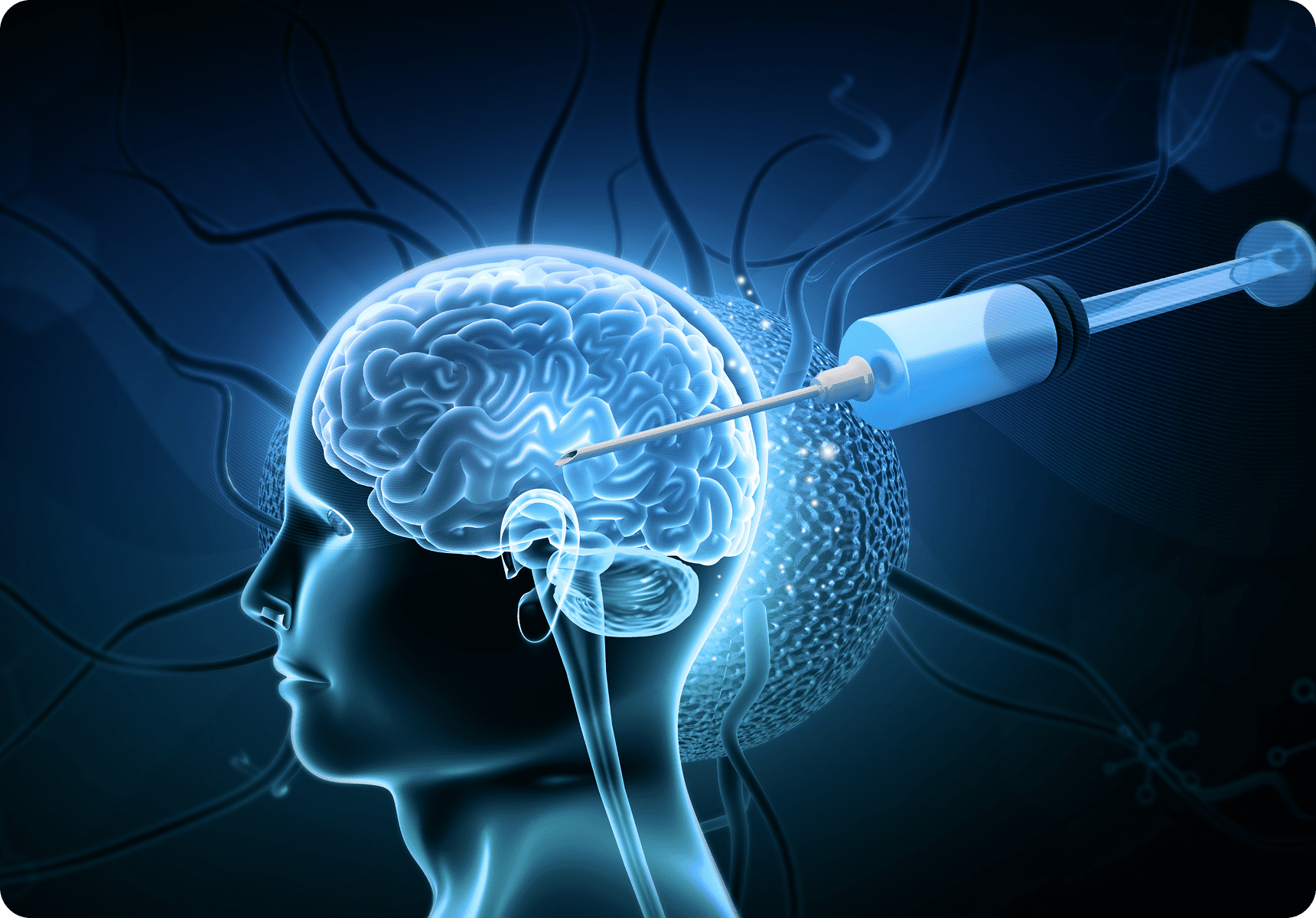
Intranasal (Nasal Route): It is the most modern method that allows stem cells and exosomes to reach the brain directly through the olfactory nerve and bypasses the blood-brain barrier.
Treatment Process and Follow-up
Treatment is usually planned as 3-6 sessions depending on the patient’s condition.
3rd Month: The first improvements in motor skills (walking speed, balance) are observed.
6th Month: The process of optimizing drug doses (under the supervision of a doctor) begins.
18th Month: The increase in dopamine signals is monitored with brain imaging (PET/MRI).
Advantages of Stem Cell Therapy and Expected Results
The biggest advantage of stem cell therapy is that, unlike chemical drugs, it offers the body a natural and permanent repair mechanism.
Effects on Motor Symptoms (Tremor and Rigidity)
The following motor improvements are reported in the vast majority of patients after cell transfer:
Resting Tremor: Significant decrease in severity and duration.
Rigidity (Muscle Stiffness): Softening of the feeling of stiffness in the joints and increased range of motion.
Bradykinesia (Slowness): Growth of steps and acceleration of daily tasks (buttoning, eating).
Clinical Studies and Success Rates
The table below summarizes the expected contributions of stem cell therapy based on current clinical data:
Frequently Asked Questions
Do stem cells cure Parkinson’s completely?
Complete cure (cure) has not yet been medically defined; However, stem cells are the most promising method in the world when it comes to controlling the disease and regressing symptoms.
Are there any side effects of the treatment?
There are no serious side effects reported in mesenchymal stem cell applications performed in expert hands and under sterile conditions, except for mild headache or nausea.
Is there an age limit?
Although patients between the ages of 35-75 are generally considered ideal, the general health status of the patient is the main factor that determines their suitability even in the eighties.
Case Study (Anonymized): A 62-year-old female patient who had been living with Parkinson’s disease for 6 years and experienced freezing attacks while walking underwent a combination of intranasal and IV stem cell therapy. At the end of 4 sessions, it was noted that the patient’s freezing attacks decreased by 60% and the microgratin (small writing) in handwriting improved.
Resource and Expert Knowledge
This article was prepared under the medical supervision of Assoc. Prof. Dr. Erdinç Özek, who specializes in neurodegenerative processes and cellular repair technologies. Assoc. Prof. Dr. Erdinç Özek is a medical professional who offers the world’s most up-to-date regenerative treatment models to his patients with an approach focused on “gaining knowledge” in Parkinson’s disease.