


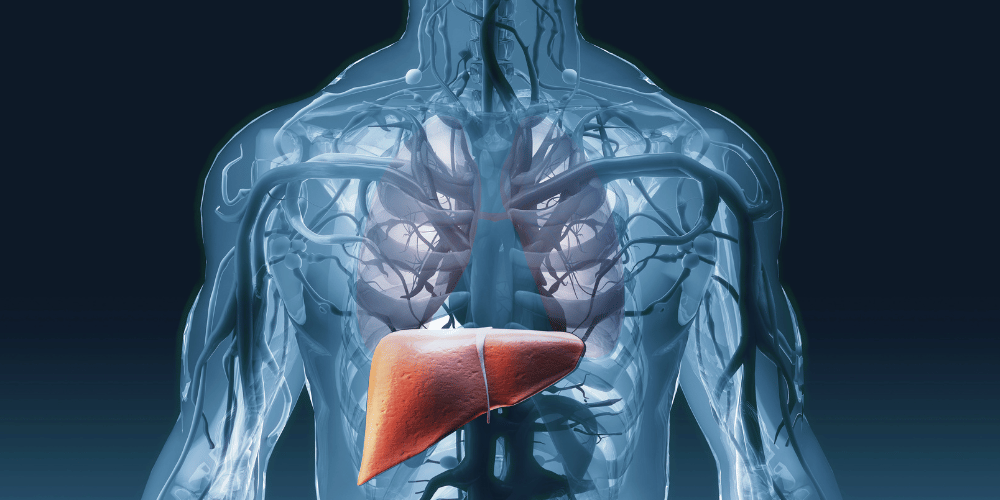
Cirrhosis treatment with stem cells is a regenerative treatment method in which precursor cells with high regeneration potential are used to stop or reverse severe hardening (fibrosis) and loss of function in the liver tissue.
This method aims to delay the need for organ transplantation or reduce the severity of symptoms by stimulating the liver’s self-repair capacity at the cellular level.
New Developments in Cirrhosis Treatment and Stem Cells
While traditional approaches to cirrhosis management are generally aimed at controlling complications, new developments in the medical world have focused on tissue engineering and cellular therapies.
Stem cells, thanks to their ability to suppress chronic inflammation in the liver and dissolve scar tissue, offer promising results in the field of structural healing that classical drug treatments cannot achieve.
What is Cirrhosis? The Process of Liver Failure
Cirrhosis is the replacement of healthy tissue with scarred, dysfunctional scar tissue as a result of chronic damage to the liver.
In this process, the liver’s filtering, storage and protein synthesis capacity gradually decreases; This situation evolves into liver failure, in which the organ cannot clean the blood and vital functions stop.
Hepatic Dysfunction and Hepatic Encephalopathy
When the liver loses its function, toxic substances such as ammonia accumulated in the blood reach the brain, causing confusion, forgetfulness and sleep disorders called “Hepatic Encephalopathy”.
Stem cell therapy helps stabilize the neurological effects of this toxic load on the brain by increasing the liver’s detoxification (cleansing) capacity.
How is Stem Cell Therapy Performed in Cirrhosis?
Stem cell application in cirrhosis is a procedure performed with modern radiological and interventional methods that will allow cells to reach the liver tissue in the most efficient way.
Depending on the clinical condition of the patient, the application is planned as an injection intravenously (systemic) or directly into the veins feeding the liver (local).
According to Assoc. Prof. Dr. Erdinç Özek: “Timing is vital in the treatment of cirrhosis. The cellular support applied before the liver tissue is completely calcified and enters the ‘decompensated’ stage triggers the organ’s ability to regenerate much more strongly.”
The Role of Mesenchymal Stem Cells in Liver Repair
When mesenchymal stem cells (MSCs) reach hardened areas (fibrosis) in the liver, they secrete special enzymes that break down this tissue.
At the same time, they regulate the immune response of the liver, prevent the organ from attacking its own tissue and promote the proliferation of healthy cells in the surrounding area with the effect of “paracrine”.
Transformation of Stem Cells into Liver Cells (Hepatocytes)
The most striking feature of stem cells is their potential to transform into “hepatocytes”, the basic functional unit of the liver (differentiation).
Thanks to this biological transformation, it is aimed to increase the synthesis capacity of the organ by aiming to replace the lost liver mass with new and functional tissues.
Case Study (Anonymized): A 54-year-old patient diagnosed with early-stage cirrhosis due to non-alcoholic fatty liver disease had a stabilization of liver enzymes (AST/ALT) and a 1-point improvement in Child-Pugh score after 3 cycles of mesenchymal stem cell administration. A significant decrease in the patient’s acid (abdominal fluid) accumulation has been observed.
Stem Cell Application Methods
The success of stem cells in the treatment of cirrhosis depends on how effectively the cells “settle” in the liver tissue.
In the medical literature, there are different routes used to deliver cells to the organ, and each method is determined according to the general health status of the patient.
Intravenous (Intravenous Access) Administration
Vascular access, which is the least invasive (non-surgical) method, is the delivery of stem cells from the arm vein into the systemic circulation.
In this method, cells find damaged areas in the liver through circulation and attach to them thanks to their “homing” abilities.
Transfer Through Intrahepatic Arterial and Portal Vein
Intrahepatic arterial or portal vein applications, which are more advanced techniques, are the injection of cells directly into the main veins supplying the liver.
This transfer, guided by interventional radiology, aims to maximize the treatment effect by allowing cells to penetrate directly into the liver parenchyma without being lost in the systemic circulation.
According to Assoc. Prof. Dr. Erdinç Özek: “In cases where we want to penetrate deep into the liver tissue, using the vessels that directly feed the organ with angiographic methods is very advantageous in terms of collecting the cellular density in the targeted area.”
Advantages of Stem Cell Therapy and Clinical Outcomes
Stem cell therapy not only relieves symptoms for patients with cirrhosis but offers regenerative gains that can extend the biological life of the organ.
Effects on Liver Fibrosis
Fibrosis is the hardening of the liver by covering it with scar tissue.
Stem cells trigger matrix metalloproteinases, which break down excess collagen deposited in the liver, helping to soften scar tissue and increase the filtering capacity of the organ.
Quality of Life and Functional Recovery Rates
In post-treatment clinical follow-up, statistically significant improvements are observed in the Child-Pugh and MELD scores (measures of liver disease severity) of the patients.
This situation is reflected in the patient’s daily life as follows:
Decrease in Fatigue: Energy level increases with increased albumin synthesis.
Edema Control: Mobility increases with reduced fluid accumulation in the abdomen and legs.
Cognitive Clarity: Mental fatigue and forgetfulness are reduced by clearing toxins.
Frequently Asked Questions
Is stem cell therapy a substitute for liver transplantation?
This treatment is a supportive method aimed at delaying the need for transplantation or stabilizing the clinical condition of patients waiting for transplantation. It should not be seen as a definitive “alternative” but as a regenerative option.
How many days does the treatment take and is hospitalization required?
The application is usually a day process. When interventional methods are used, the patient can be discharged on the same day after being kept under observation for a few hours.
At what stage can cirrhosis patients benefit from this treatment?
In order for the cells to function, there must still be living tissue in the liver. For this reason, the success rate in early and middle stage (compensated) cirrhosis cases is much higher than in end-stage cases.
What are the side effects?
There is no risk of tissue rejection when using the patient’s own cells or certified umbilical cord-derived cells. Rarely, mild fever or tenderness in the application area may occur after the procedure.
Case Example (Anonymized): In a 48-year-old patient who was followed up for cirrhosis on the basis of hepatitis B, biochemical analyzes performed at 4 months after stem cell therapy administered through the portal vein showed that serum albumin level increased from 2.8 to 3.4 g/dL and INR value approached normal. The patient’s risk of variceal bleeding has been stabilized during this process.
Resource and Expert Knowledge
This article was prepared under the medical consultancy of Assoc. Prof. Dr. Erdinç Özek, who is known for his scientific studies on liver regeneration and cellular therapy protocols. Assoc. Prof. Dr. Erdinç Özek is a medical authority who aims to improve the life expectancy and quality of life of his patients by using personalized stem cell approaches in the treatment of cirrhosis.