


Ulcerative colitis treatment with stem cells is the process of regulating the immune response and bioregenerating damaged mucous tissue by using the body’s restorative cells in order to stop chronic inflammation and ulceration in the inner layer of the large intestine.
This treatment approach aims not only to suppress symptoms but also to create a permanent healing ground by rebuilding the gut’s defense barrier.
What is Ulcerative Colitis?
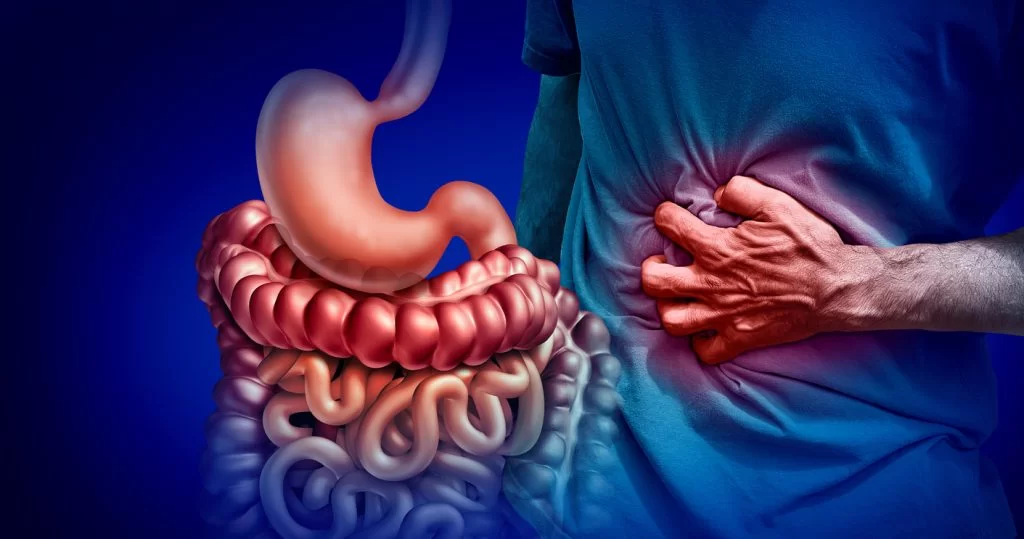
Ulcerative colitis is a chronic inflammatory bowel disease characterized by bleeding diarrhea, abdominal pain and weakness caused by the immune system attacking its own intestinal tissue.
Stem cell therapy offers an innovative alternative in cases where existing drugs (steroids or biologic agents) are insufficient or for patients who want to avoid the side effects of these drugs.
In the current medical protocols for 2026, this treatment is defined as an intelligent biological intervention that repairs wounds on the inner wall of the intestine at the cellular level and gives the immune system a “stop” command.
Mechanism of Action of Stem Cells in Ulcerative Colitis
After being introduced into the body, stem cells migrate directly to damaged and inflamed areas in the intestinal wall (homing effect).
These cells trigger the production of new cells that can replace damaged epithelial tissue and restore the integrity of the mucous layer.
At the same time, thanks to the cytokines they secrete, they support the intestinal flora and minimize oxidative stress that causes tissue destruction.
Immune System and Inflammation Regulation
The main problem in ulcerative colitis is that the immune system produces constant inflammation in an uncontrolled manner.
Stem cells, through their “immunomodulatory” role, calm aggressive immune cells and increase the number of stabilizing T-regulatory cells.
This process achieves a natural remission (state of well-being) by simply stopping unnecessary aggression in the gut without leaving the immune system completely vulnerable.
Types of Stem Cells Used in the Treatment of Ulcerative Colitis
The success of ulcerative colitis treatment depends on the capacity of the cell used to suppress inflammation and repair the mucous barrier.
Contrary to the general definitions of competitors, the purity and viability rate of cells are the most basic factors that determine the effectiveness of the treatment in current clinical applications.
Mesenchymal Stem Cells
Mesenchymal stem cells (MSCs) are cells that are considered the gold standard in the treatment of ulcerative colitis, capable of self-renewing and transforming into different tissues.
These cells are usually obtained from the patient’s own adipose tissue (adipose) or rich sources such as the umbilical cord (umbilical cord).
Their capacity to close bleeding foci in the intestine and heal chronic wounds provides a much broader spectrum of protection compared to biological agents.
Exosome Treatment and Ulcerative Colitis
Exosomes are nano-vesicles secreted by stem cells that contain healing genetic materials (mRNA, miRNA) and proteins.
Using only these messenger packets instead of the cell itself speeds up intercellular communication in the intestinal wall, making the repair process more specific.
Thanks to their very small structure, exosomes penetrate deeper into the mucous layers and send a direct signal to “stop inflammation” as if injected into immune cells.
According to Assoc. Prof. Dr. Erdinç Özek: “An intestine with ulcerative colitis is a constant place of fire. While the drugs pour water on this fire, stem cells not only extinguish the fire, but also rebuild the burned building brick by brick. Our goal is not only to stop bleeding, but to create a healthy intestinal wall.”
Case Analysis (Anonymized): A 34-year-old patient who had severe attacks 4-5 times a year despite using biological agents for years underwent stem cell cure with intravenous and local application in a 3-session protocol. In the colonoscopic control performed at the 8th month of treatment, it was noted that the ulcerated areas were closed by 85% and the integrity of the mucosa was ensured, and the frequency of attacks of the patient was reduced to zero.
Who Is Stem Cell Applied to in the Treatment of Ulcerative Colitis?
Stem cell administration in the treatment of ulcerative colitis is a selective approach that is customized to each patient’s individual clinical presentation.
This treatment steps in to restore immune balance and trigger tissue healing at points where standard medical protocols are blocked.
Suitable Candidates for Treatment and Evaluation Criteria
Candidates for stem cell therapy are determined as a result of gastroenterological examination and laboratory tests.
Resistant Cases: Patients who do not respond to standard drug treatments (cortisone, mesalazine or biologic agents) or have low tolerance to these drugs.
Pre-Surgical Stop: People who want to preserve intestinal integrity before radical surgical procedures such as bowel resection (bowel removal).
Those with Systemic Involvement: Cases where the disease is not limited to the intestine but shows signs of systemic inflammation, such as joint pain or skin rashes.
Overall Health Availability: Individuals with no severe active infections and a physiological reserve to tolerate cellular therapy.
In Which Stages of the Disease Are Stem Cells Preferred for Ulcerative Colitis?
The effectiveness of stem cells in ulcerative colitis has different strategic goals depending on the degree of activity of the disease.
Active Attack Period: The main purpose in this phase is to extinguish the fire and stop bleeding with the anti-inflammatory power of stem cells.
Chronic/Calming Period: In cases where attacks recur frequently, it is aimed to prolong the remission (well-being) period and increase mucosal resistance by training the immune system.
How is Stem Cell Therapy Applied in the Treatment of Ulcerative Colitis?
The administration of stem cells for ulcerative colitis is meticulously planned to ensure that the cells reach the targeted area at the highest intensity.
Application Methods and Clinical Protocols
The transfer of cells to the intestinal tissue is carried out in two basic ways, according to the clinical need of the patient:
Systemic (Intravenous) Administration: Cells given intravenously reach the intestinal wall by following inflammation signals (homing); This method also provides systemic immune regulation.
Local (Endoscopic) Application: It is the injection of cells directly around the ulcerated areas, accompanied by colonoscopy; This method supports the rapid closure of deep wounds.
Combined Approach: The highest success rates are often seen in holistic protocols where both systemic and local administration are used together.
Treatment Process and Follow-up
The treatment process requires a multidisciplinary follow-up, from the preparation of cells to recovery follow-up.
Preparation Phase: The patient’s inflammatory markers (CRP, Sedimentation, Fecal Calprotectin) are checked, and the intestine is prepared for administration.
Application Day: The procedure is usually a day procedure; It does not require long-term hospitalization.
Follow-up Period: In the 1st, 3rd and 6th months after treatment, mucosal healing is evaluated clinically and endoscopically.
According to Assoc. Prof. Dr. Erdinç Özek: “Success in ulcerative colitis is not only the cessation of bleeding, but also the complete achievement of mucosal healing. Stem cell therapy repairs the ‘leaky’ structure in the intestinal wall, offering the patient a future without fear of going out and at peace with social life.”
Case Analysis (Anonymized): A 29-year-old female patient who presented with bleeding defecation and severe weight loss 10-12 times a day underwent stem cell protocol because she could not recover despite being under biologic agent treatment. In the 2nd month of treatment, the number of defecations decreased to 2 per day, and the disease went into remission by obtaining a “Mayo 0” (complete mucosal healing) score in the control colonoscopy performed at 6 months.
Advantages of Stem Cell Therapy and Expected Results
Unlike conventional drugs, stem cell therapy in ulcerative colitis aims to establish a biological balance by “modularizing” the immune system rather than suppressing it.
In the clinical perspective of 2026, the biggest advantage of this treatment is that it not only eliminates symptoms but also restores the cellular architecture of the intestine.
Mucosa Healing and Remission Process
Stem cells have the ability to develop into intestinal epithelial cells (cells on the surface of the intestine, similar to chondrocytes) and stimulate existing stem cells.
Tissue Restoration: New tissue formation is triggered in ulcerated areas, restoring the intestinal wall to its former strength.
Permeability Control: Increased intestinal permeability, also known as “leaky gut” syndrome, is reduced by the factors secreted by stem cells.
Permanent Remission: After treatment, it is observed that the frequency of attacks decreases in most patients and the duration of remission (silence of the disease) is significantly prolonged.
Clinical Studies and Success Rates
Current studies suggest that stem cell transplantation offers clinical response rates ranging from 70% to 85%, particularly in patients resistant to biologic agents.
According to 2025-2026 data, approximately half of the patients who received mesenchymal stem cell administration recorded complete “mucosal healing” (endoscopically unwounded tissue) at the end of the 6th month.
Frequently Asked Questions
Is stem cell therapy the definitive solution?
In medicine, the expression “100% definitive solution” cannot be used for any chronic disease; However, stem cells are one of the methods with the strongest healing potential in cases that do not respond to current treatments.
Do nutritional restrictions continue after treatment?
Patients can generally tolerate a wider range of nutrients as mucosal healing achieves post-treatment, although supportive protocols such as an elimination diet can be maintained with expert recommendation.
How often should it be applied?
Depending on the severity of the disease, a single intensive cure (2-3 sessions) is usually applied; Booster doses can be planned after 1-2 years for the continuity of remission.
According to Assoc. Prof. Dr. Erdinç Özek: “The real success for our patients with ulcerative colitis is not to break away from social life. Stem cell therapy brings the intestine to ‘remission safety’ not only biologically, but also psychologically. Our aim is to ensure that the patient leads a healthy life by minimizing their dependence on drugs.”
Case Analysis (Anonymized): Umbilical cord-derived mesenchymal stem cells were administered in a 42-year-old male patient with cortisone addiction who was referred to surgery. In the 3rd month of the application, steroid use was completely stopped, the patient’s defecation rate returned to normal 1-2 times a day, and the patient returned to his social life completely.
Resource and Expert Knowledge
All medical information and treatment protocols in this article have been reviewed and approved by Assoc. Prof. Dr. Erdinç Özek, who has a wide literature dominance in regenerative medicine and cellular therapies. Assoc. Prof. Dr. Erdinç Özek offers his patients the most advanced opportunities of modern medicine with his studies focusing on personalized cellular therapy designs and mucosal repair in chronic inflammatory diseases.