

While traditional methods of treating neurological diseases often focus on managing symptoms, modern medicine has ushered in a regenerative era that aims to repair damaged tissue at the cellular level.
Stem cell technology is an advanced treatment method that offers the potential to slow down degenerative processes and restore lost functions through cellular restoration by biologically supporting the limited self-renewal capacity of the nervous system.
What is Stem Cell Therapy in Neurological Diseases?
Stem cell therapy in neurological diseases is the process of using precursor cells, which have the ability to transform into different tissues of the body, to repair damage to the nervous system.
This method is a regenerative medicine approach applied to ensure tissue integrity and stop neuronal loss, especially in chronic neurological disorders that have become resistant to drug therapy.
The Neuro-Regenerative and Neuro-Protective Power of Stem Cells
Thanks to its neuro-regeneration ability, stem cells promote the formation of new neuronal structures that can replace damaged or dead nerve cells.
Its neuroprotective effects aim to control the rate of disease progression by protecting existing healthy nerve cells from toxic deposits and inflammation.
According to Assoc. Prof. Dr. Erdinç Özek: “Stem cell therapy is not a magic wand, but a scientific support that maximizes the body’s own repair mechanisms. The success of the treatment is directly dependent on the patient’s current neurological reserve and the timing of administration.”
How Does the Cellular Repair Mechanism Work in Nervous System Damage?
When stem cells reach the damaged area, they detect the points where the damage is intense with the “homing” feature.
Here, they secrete growth factors and cytokines, triggering the following mechanisms on a cellular basis:
Inflammation Control: It stops cell death by reducing chronic edema and inflammation in brain tissue.
Angiogenesis: Promotes the formation of new vessels to increase blood flow to the damaged area.
Strengthening Synaptic Connections: Re-establishes communication between existing neurons, optimizing nerve transmission.
Main Neurological Diseases Where Stem Cell Therapy Is Applied
Since each neurological disease has a different pathology, the mechanisms of action of stem cells in these diseases also vary.
The following table compares targeted treatment goals in common neurological conditions:
| Type of Disease | Main Objective | Expected Cellular Response |
| Parkinson’s | Dopamine Production | Dopaminergic neuron restoration |
| Alzheimer’s | Cognitive Protection | Reduction of amyloid plaque inflammation |
| MS (Multiple Sclerosis) | Immune Regulation | Myelin sheath repair and immune balance |
| ALS | Motor Neuron Protection | Extending the life span of motor nerve cells |
| Stroke (Paralysis) | Functional Recovery | Formation of new tissue and vessels in the ischemic region |
Dopaminergic Neuron Repair in Parkinson’s Disease
In Parkinson’s, the loss of dopamine-producing cells in the brain causes limited movement and tremors.
Stem cells tend to turn into dopamine-releasing neurons to compensate for this deficiency in the midbrain, helping to stabilize the patient’s motor skills.
The Role of Cognitive Support in Alzheimer’s and Dementia Process
Harmful proteins that accumulate in the brain during the Alzheimer’s process break synaptic bonds.
The treatment aims to support the preservation of cognitive functions such as memory and navigation by suppressing the micro-inflammation created by these proteins.
ALS (Amyotrophic Lateral Sclerosis) and Motor Neuron Protection
Since the loss of motor neurons in ALS leads to muscle wasting, treatment focuses on slowing down the process by increasing the secretion of growth factors (GDNF, VEGF) that nourish these cells.
Myelin Sheath Restoration in Multiple Sclerosis (MS) Treatment
In cases of MS, where the immune system attacks the nerve sheaths, stem cells exert an immunomodulatory effect.
This effect may contribute to a decrease in the frequency of attacks by preparing the ground for the regeneration of damaged myelin sheaths.
Neurological Recovery Process After Stroke
In tissue damage after a stroke, stem cells activate the “dormant” cells in the area.
Clinical experience shows that the treatment, when combined with physical therapy, can help with more significant improvements in speech and mobility.
Case Example (Anonymized):
In a 62-year-old patient who had been followed up with a diagnosis of Parkinson’s for 8 years and whose limitation of movement increased due to drug side effects, a decrease in “frostbite” symptoms and a 30% increase in daily living activities were observed at 4 months after intrathecal and IV combined stem cell administration. These data are subjective improvement notes from the patient’s clinical diary.
Types of Stem Cells Used and Their Properties
The choice of stem cells preferred for neurological system restoration is determined by the nature of the disease and the targeted tissue repair.
In the medical literature, three basic cell groups stand out that have been proven to be the most effective on the nervous system.
Mesenchymal Stem Cells (MSCs) and Anti-Inflammatory Effect
These cells, usually originating from the umbilical cord or bone marrow, have the highest safety profile in neurological treatments.
The main task of these cells is to prevent further damage to nerve cells by suppressing chronic “micro-inflammation” in the brain.
Neural Stem Cells (NSCs) and Cellular Differentiation
NSCs, cells directly specific to nervous tissue, are considered the “key” to the nervous system.
Through their cellular differentiation capabilities, they can physically repair transmission lines, transforming into new neurons or support tissues in the area where they are needed.
Induced Pluripotent Stem Cells (iPSCs): Potential for Personalized Treatment
These cells, obtained from the patient’s own skin or blood cells by “rejuvenating” them in the laboratory, are the most advanced level of regenerative medicine.
This method, which does not carry the risk of rejection by the body, allows the creation of a completely personalized cellular therapy protocol for each patient.
Application Methods and Technical Approaches
Delivering cells to the nervous system is a technical process that requires millimeter precision and directly affects the success of the treatment.
The following table compares the advantages of the most commonly used routes of application:
| Application Method | Target Region | Key Advantage |
| Intrathecal | Spinal Fluid (CSF) | Direct and intensive access to the brain |
| Intravenous (IV) | Blood Circulation | Minimally invasive, systemic protection |
| Intracerebral | Brain Tissue | Direct local transfer to the damaged area |
Intracratic, Intravenous and Intracerebral Routes of Administration
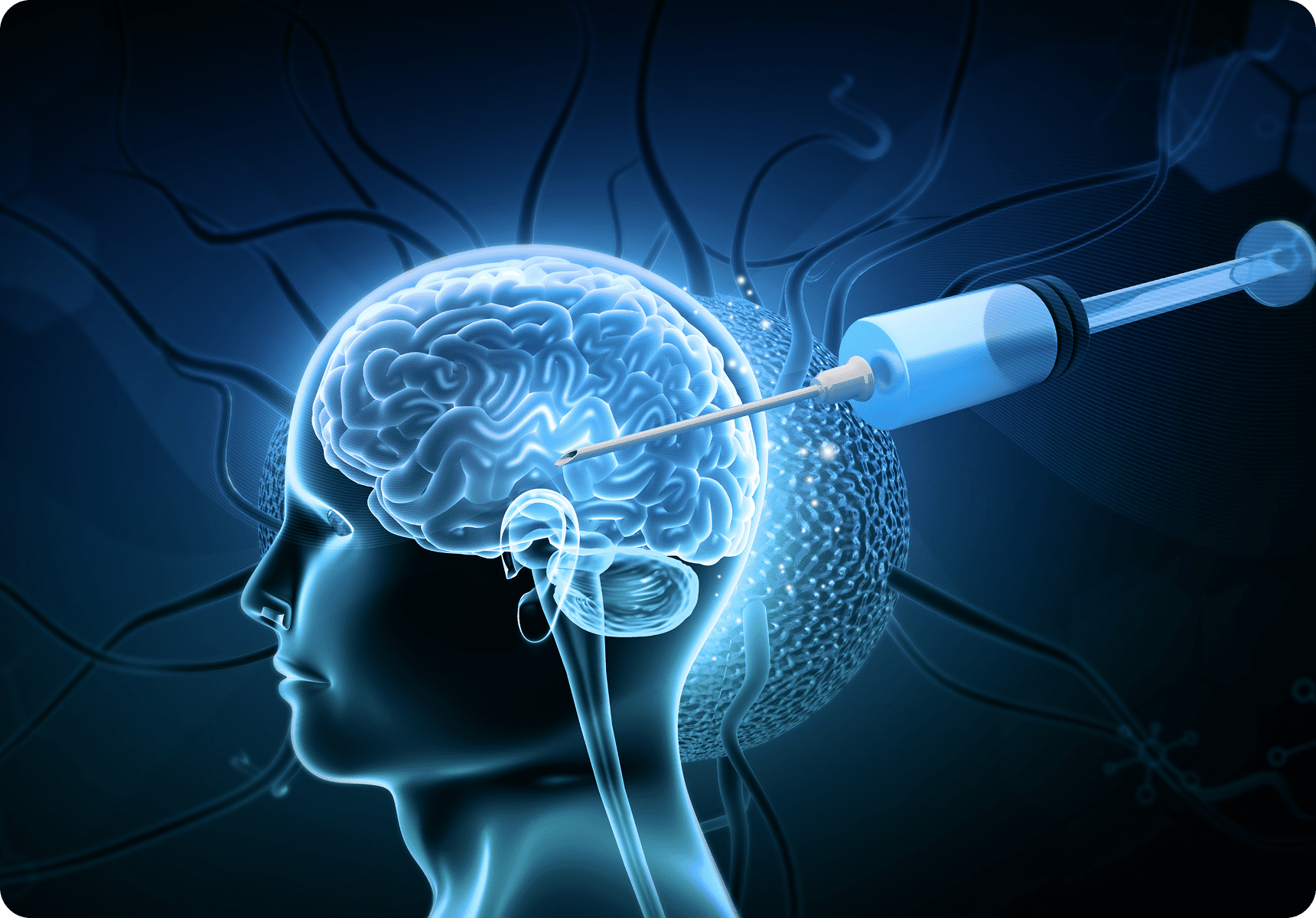
The intrathecal method allows cells to reach the brain without getting stuck in the blood-brain barrier by injection into the spinal fluid from the lumbar region.
Intravenous administration offers a more comfortable pathway, while the intracerebral method focuses directly on the lesion site with surgical precision.
Strategies for Overcoming the Blood-Brain Barrier
The brain has a tight filtering system (blood-brain barrier) to protect itself.
Thanks to the homing techniques used in modern applications, it is aimed for stem cells to overcome this barrier, attach to damaged neurons and be activated there.
According to Assoc. Prof. Dr. Erdinç Özek: “An application made without choosing the right transfer method may cause cells to disappear into the circulation before reaching the target. In neurological cases, we generally prefer the ‘intrathecal’ route for the cells to penetrate directly into the central nervous system.”
Advantages of Treatment, Success Factors and Expected Results
Stem cell therapy offers not only symptomatic relief for patients, but also the chance to slow down the underlying degeneration of the disease.
Current Success Data in Clinical Studies and Literature
Current literature reports that motor functions can be preserved at a rate of 20% to 40%, especially in cases intervened at an early stage.
These data prove that the treatment creates a synergistic effect when combined with standard protocols.
Critical Factors Influencing Treatment Success
The results of the application may vary for each individual; At this point, the factors that determine success are as follows:
Stage of the Disease: Interventions performed before cell death occurs completely are more effective.
Cell Number and Quality: The concentration of viable cells injected is critical.
Combined Treatment: Post-application rehabilitation and diet-supported processes increase success.
Case Example (Anonymized):
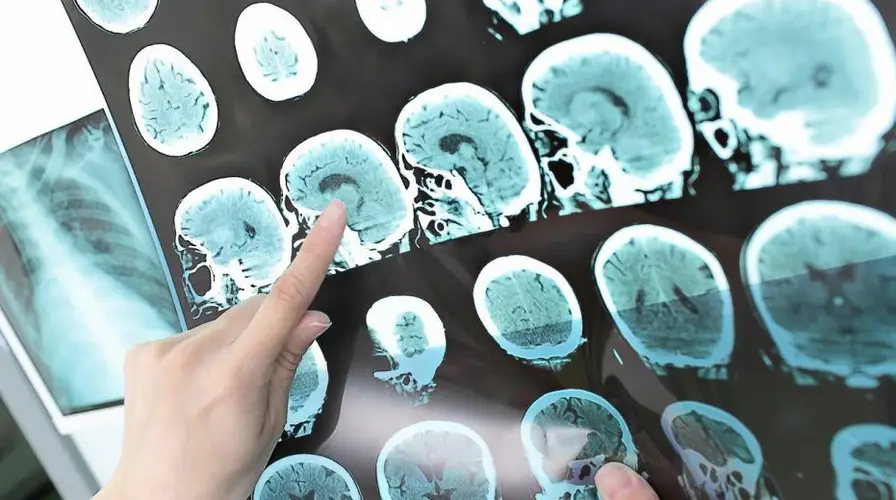
In a patient diagnosed with MS and whose attack frequency increased to 3 per year, no attacks were observed in the first 12 months after mesenchymal stem cell therapy. MRI controls showed that the existing lesions stopped growing and a significant increase in the patient’s walking distance was recorded.
Frequently Asked Questions
Is stem cell therapy a definitive solution for neurological diseases?
No, this treatment is a support method that aims to repair damaged tissue and slow down the process; No treatment in medicine can be 100% guaranteed.
How long does the application take and is hospitalization required?
The procedure usually takes 30-60 minutes, and in most cases, it is possible to be discharged on the same day.
Are there any side effects?
When the patient’s own cells (autologous) or compatible cord blood cells are used, the risk of rejection is almost non-existent; however, temporary sensitivity may occur at the application site.
When does the effect start to be seen?
Cellular repair is a biological process; The first significant changes usually begin to be observed from the 3rd month.
Source and Expert Knowledge:
This article was prepared under the medical supervision of Assoc. Prof. Dr. Erdinç Özek, an expert in neuro-regenerative medicine.
Assoc. Prof. Dr. Erdinç Özek is an authority who conducts academic studies on the management of complex neurological pictures with cellular therapies and applies current protocols in this field in Turkey.